Constant care and regular evaluation are important for a foot or ankle fracture. If left untreated, foot or ankle fractures can worsen over time and create more serious problems.
Don't wait to be examined if you believe you've experienced a foot or ankle fracture.
An ankle sprain is a common sports injury that frequently affects volleyball players due to the fast-paced and jump-intensive nature of the game. This condition occurs when the ligaments that support the ankle are stretched or torn, often as a result of landing awkwardly. In volleyball, players often land on the outside of the foot after a jump, which places sudden stress on the ankle joint. This motion can cause the ligaments on the outer side of the ankle to overstretch, leading to pain and instability. Understanding how ankle sprains develop can help players recognize symptoms early and seek proper care.
Symptoms of an ankle sprain include swelling, bruising, tenderness, and difficulty bearing weight on the affected foot. Some players may also have a limited range of motion and a feeling of instability while standing or walking. Wearing poor footwear, inadequate warm-up routines, and weak ankle muscles can also increase the likelihood of injury. Players who have had a previous sprain are at a higher risk of re-injury due to reduced ligament strength.
Ankle sprains are classified into three grades based on severity. A grade 1 sprain involves mild stretching of the ligaments with minimal swelling and discomfort. A grade 2 sprain is a moderate injury that includes partial tearing of the ligaments, resulting in noticeable swelling, bruising, and difficulty walking. A grade 3 sprain is the most severe and involves a complete tear of the ligament, often causing significant pain, instability, and an inability to bear weight.
Preventing ankle sprains in volleyball requires attention to technique, strength, and support. Wearing well-fitted shoes, performing balance exercises, and strengthening the ankle muscles can reduce injury risk. If you have sustained an ankle sprain while playing volleyball, it is suggested that you consult a podiatrist for effective relief and treatment solutions, enabling you to return to this popular sport.
Sports related foot and ankle injuries require proper treatment before players can go back to their regular routines. For more information, contact one of our podiatrists of Active Foot and Ankle Care, LLC. Our doctors can provide the care you need to keep you pain-free and on your feet.
Sports Related Foot and Ankle Injuries
Foot and ankle injuries are a common occurrence when it comes to athletes of any sport. While many athletes dismiss the initial aches and pains, the truth is that ignoring potential foot and ankle injuries can lead to serious problems. As athletes continue to place pressure and strain the area further, a mild injury can turn into something as serious as a rupture and may lead to a permanent disability. There are many factors that contribute to sports related foot and ankle injuries, which include failure to warm up properly, not providing support or wearing bad footwear. Common injuries and conditions athletes face, including:
Plantar Fasciitis
Achilles Tendinitis
Achilles Tendon Rupture
Ankle Sprains
Sports related injuries are commonly treated using the RICE method. This includes rest, applying ice to the injured area, compression and elevating the ankle. More serious sprains and injuries may require surgery, which could include arthroscopic and reconstructive surgery. Rehabilitation and therapy may also be required in order to get any recovering athlete to become fully functional again. Any unusual aches and pains an athlete sustains must be evaluated by a licensed, reputable medical professional.
If you have any questions please contact our offices located in Fair Lawn, Riverdale, and Englewood, NJ. We offer the newest diagnostic and treatment technologies for all your foot and ankle needs.
Who said style can't be comfortable? With Custom Orthotics, you get the best of both worlds. Slip them into your favorite fashionable shoes and feel the difference. They mold to your feet, offering support without compromising on style. No more choosing between looking good and feeling great. With Custom Orthotics, step out in style and comfort every day. Contact our office to learn more!
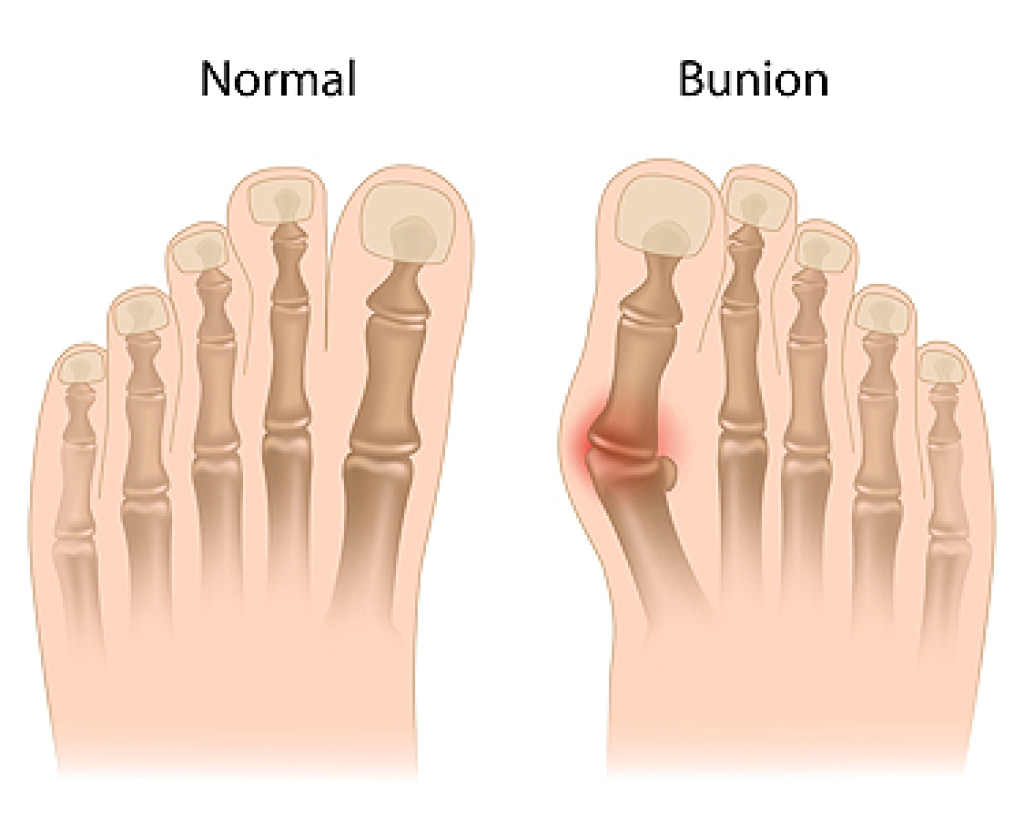
Bunions are a common foot condition that develops gradually as the big toe joint becomes misaligned, forming a prominent bump along the side of the foot. This structural change can affect balance, walking ability, and overall foot health. Bunions are known to increase in frequency with age and are especially common in women due to both biological and lifestyle factors. Recognizing how these elements contribute to bunion formation can help individuals take proactive steps to protect their feet.
The symptoms of bunions often begin with mild discomfort and progress to more noticeable pain, swelling, and stiffness in the big toe joint. The area may become tender, particularly when wearing shoes that press against the bunion. Over time, the big toe may shift toward the other toes, leading to crowding and difficulty finding comfortable footwear. These symptoms can limit mobility and reduce quality of life if not properly managed.
Risk factors for bunions include inherited foot structure, aging-related joint changes, and footwear choices. As people age, ligaments may lose strength, making the foot more prone to misalignment. Women are at higher risk due to frequent use of narrow or high-heeled shoes that concentrate pressure on the forefoot. Additional causes include repetitive stress on the feet, flat arches, and improper gait patterns. These factors work together to increase strain on the big toe joint and contribute to bunion development.
Preventive strategies include wearing supportive shoes with a wide toe box, maintaining healthy foot mechanics, and avoiding excessive pressure on the forefoot. Early attention to symptoms can help slow progression and improve comfort. Taking a proactive approach to foot care supports long-term mobility and well-being. If you have a bunion or notice worsening symptoms, it is suggested that you consult a podiatrist for effective relief and management solutions.
A bunion is formed of swollen tissue or an enlargement of boney growth, usually located at the base joint of the toe that connects to the foot. The swelling occurs due to the bones in the big toe shifting inward, which impacts the other toes of the foot. This causes the area around the base of the big toe to become inflamed and painful.
Why Do Bunions Form?
Genetics – Susceptibility to bunions are often hereditary
Stress on the feet – Poorly fitted and uncomfortable footwear that places stress on feet, such as heels, can worsen existing bunions
How Are Bunions Diagnosed?
Podiatrists often perform two tests – blood tests and x-rays – when trying to diagnose bunions, especially in the early stages of development. Blood tests help determine if the foot pain is being caused by something else, such as arthritis, while x-rays provide a clear picture of your bone structure to your provider.
How Are Bunions Treated?
Refrain from wearing heels or similar shoes that cause discomfort
Select wider shoes that can provide more comfort and reduce pain
Anti-inflammatory and pain management drugs
Orthotics or foot inserts
Surgery
If you have any questions, please feel free to contact our offices located in Fair Lawn, Riverdale, and Englewood, NJ. We offer the newest diagnostic and treatment technologies for all your foot care needs.
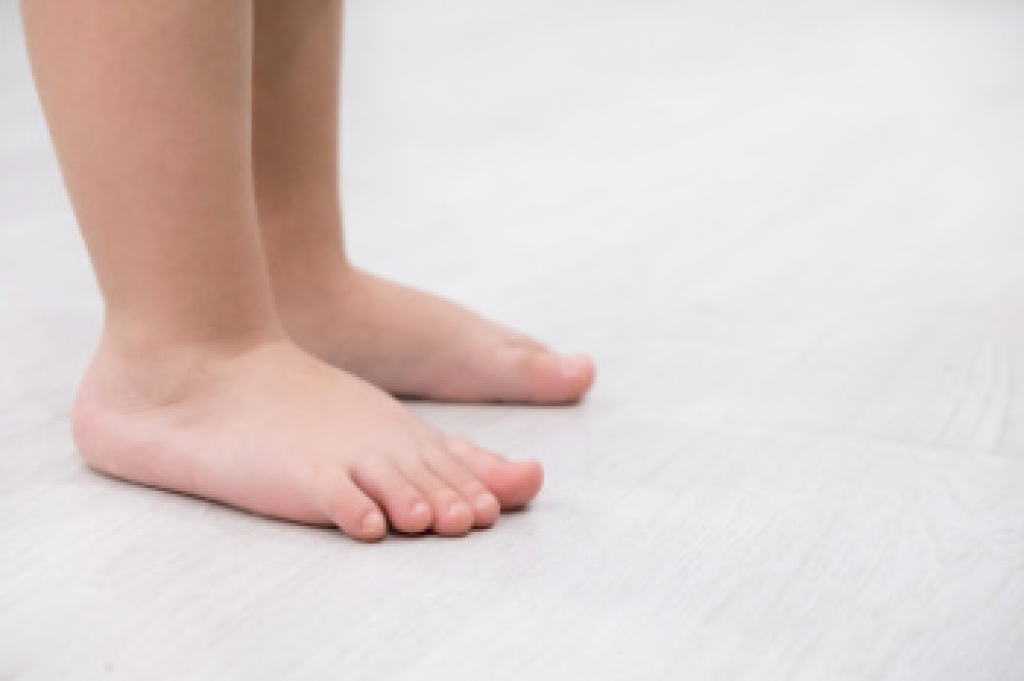
Flexible flatfoot is a common condition in school age children where the arch of the foot appears when sitting but flattens when standing or walking. This occurs because the ligaments and soft tissues in the foot are still developing and may not yet provide full structural support. While many children do not experience pain, some develop symptoms that affect daily movement and physical activity. Understanding flexible flatfoot helps parents recognize when additional support, such as insoles, may be beneficial for improving comfort and alignment.
Symptoms of flexible flatfoot in children can include foot fatigue, arch discomfort, heel pain, and uneven walking patterns. Some children may complain of tired legs after school or physical activity, while others may show signs of poor balance or inward rolling of the feet. These symptoms can become more noticeable during growth periods or increased activity levels. Identifying these signs early allows for supportive care that can reduce strain on the feet and lower limbs.
The causes of flexible flatfoot often relate to ligament laxity, muscle weakness, and natural development of the foot structure. Risk factors include family history, obesity, and prolonged standing or walking during the day. Without proper support, the foot may remain in a flattened position, leading to increased stress on joints and soft tissue. Insoles are designed to provide arch support, improve alignment, and distribute pressure more evenly across the foot. This can reduce discomfort, enhance stability, and support healthy foot development during important growth stages.
Using properly fitted insoles can help children maintain better posture and reduce strain during daily activities, such as walking, running, and standing at school. Wearing supportive footwear combined with insoles promotes comfort and encourages active movement without pain. Early intervention can prevent long-term complications and support overall foot health. If your child has flat feet, it is suggested that you consult a podiatrist who can discuss the benefits of orthotics with you.
Custom orthotics play an important role in preventing and treating foot and ankle injuries by providing personalized support that aligns with the unique structure of each foot. These specially designed devices help correct biomechanical imbalances, reduce pressure on sensitive areas, and improve stability during movement. When the feet are properly supported, the risk of developing conditions such as plantar fasciitis, Achilles tendinitis, and ankle sprains can be significantly reduced. Custom orthotics also help relieve discomfort caused by having flat feet, high arches, or uneven leg length, which may contribute to recurring injuries or pain.
Foot and ankle injuries can develop gradually from repetitive strain or occur suddenly during physical activity. Without proper treatment, these injuries can affect mobility and overall quality of life. Orthotics work to redistribute weight evenly across the foot, allowing joints and muscles to function more efficiently. This not only supports recovery from injury but can also prevent future problems by promoting better posture and alignment throughout the lower body.
Unlike over-the-counter inserts, custom orthotics are designed based on a detailed evaluation of each patient’s foot structure, gait, and medical needs. Podiatrists use advanced imaging and diagnostic tools to create orthotics that fit precisely and provide targeted correction. Whether used in everyday footwear or athletic shoes, custom orthotics can improve comfort, enhance performance, and support long-term foot health.
If you are experiencing foot or ankle pain or have sustained an injury that has not improved with rest, it is suggested that you schedule an appointment with a podiatrist. Call our office for more information or to make an appointment.