
3D scanning can give your orthotics the precise fit you need. Give your feet the best in comfort!
3D scanning can give your orthotics the precise fit you need. Give your feet the best in comfort!
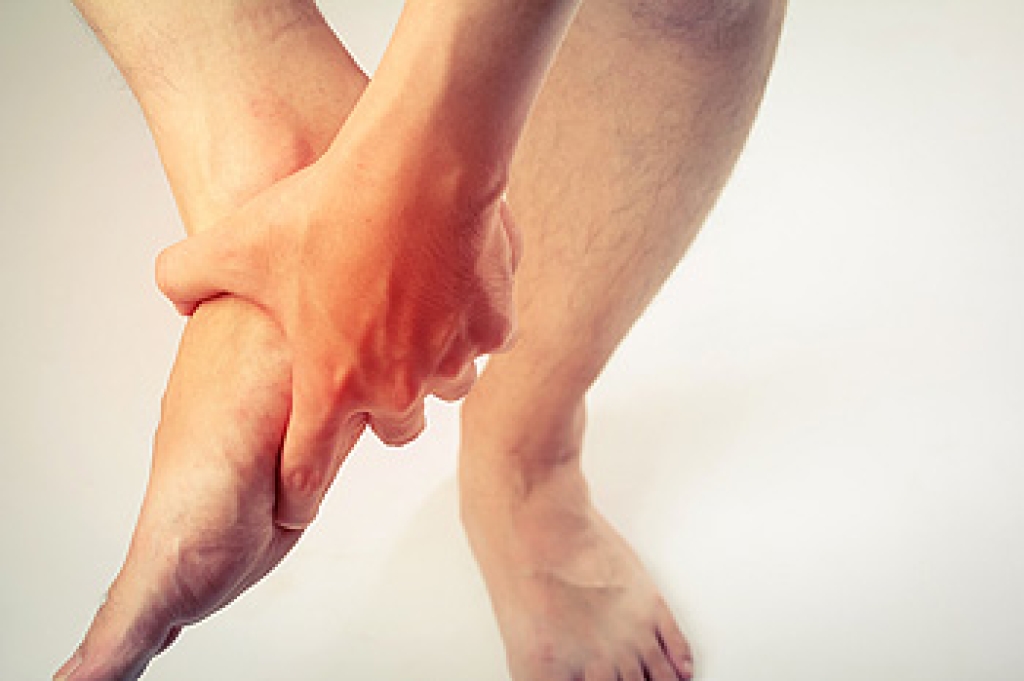
Plantar fasciitis, the inflammation of the tissue on the bottom of your foot, causes heel pain and discomfort and often worsens with physical activity. Risk factors include activities stressing your heel, being overweight, pregnant, or having high arches. Beyond heel pain, symptoms of plantar fasciitis include aching, burning, or swelling. This discomfort is typically most pronounced in the morning or after prolonged sitting, standing, or activity. Causes vary from playing sports to being on your feet a lot, poor arch support, or tight calf muscles. Treatment involves rest, wearing supportive footwear, using orthotics, and stretching the affected area. In severe cases, steroid injections or surgery might be considered. Prevention includes maintaining a healthy weight, wearing supportive shoes, warming up before exercise, and allowing recovery between physical activities. If you have heel pain and suspect you might have plantar fasciitis, it is suggested that you make an appointment with a podiatrist for a proper diagnosis and treatment.
Plantar fasciitis can be very painful and inconvenient. If you are experiencing heel pain or symptoms of plantar fasciitis, contact one of our podiatrists from Active Foot and Ankle Care, LLC. Our doctors can provide the care you need to keep you pain-free and on your feet.
What Is Plantar Fasciitis?
Plantar fasciitis is the inflammation of the thick band of tissue that runs along the bottom of your foot, known as the plantar fascia, and causes mild to severe heel pain.
What Causes Plantar Fasciitis?
How Can It Be Treated?
While very treatable, plantar fasciitis is definitely not something that should be ignored. Especially in severe cases, speaking to your doctor right away is highly recommended to avoid complications and severe heel pain. Your podiatrist can work with you to provide the appropriate treatment options tailored to your condition.
If you have any questions, please feel free to contact our offices located in Fair Lawn, Riverdale, and Englewood, NJ . We offer the newest diagnostic and treatment technologies for all your foot care needs.

Finding shoes that fit properly is important for foot health and overall comfort. Different shoe brands vary in fit, due to factors like material and construction. Incorrect sizing and improper shoe fittings can result in foot problems. Regular refitting is essential because feet change over time due to factors like aging, foot deformities, or pregnancy. In some cases ligaments lose elasticity, arches fall, and foot size changes. When fitting a shoe, measurements using a Brannock device determine length and width, but it is also important to consider your weight, the purpose of the shoe, and the materials from which it is made. Foot width ranges from AAA to 6E, and choosing the right width matters in order to prevent issues like neuromas, corns, or painful skin folding. Wearing improperly fitted shoes can exacerbate problems like pronation or supination. Experts suggest avoiding shoes that allow the toes to touch the front, which can lead to toe pain, bunions, or hammertoes. If you have problem feet and need guidance in finding the right shoes, it is suggested that you make an appointment with a podiatrist for more information.
Finding a properly-fitting shoe is important in reducing injuries and preventing foot problems. For more information about treatment, contact one of our podiatrists from Active Foot and Ankle Care, LLC. Our doctors will treat your foot and ankle needs.
Proper Shoe Fitting
A common concern when it comes to foot health, having properly fitted shoes can help prevent injuries to the foot. Out feet affect our posture and gait, which in turn affects the biomechanics and overall bodily structure. With 33 joints, 26 bones, and over 100 ligaments, the potential for serious injury is much greater than one realizes. Although the feet cease growth in adulthood, they still change shape as they mature. Here are some factors to consider when it comes to investing in proper fitting shoes:
Keeping in mind how shoes fit the biomechanics of your body, properly-fitting shoes are vitally important. Fortunately, it is not difficult to acquire footwear that fits correctly. Be sure to wear shoes that support the overall structure of your body. Do your feet a favor and invest in several pairs of well-fitted shoes today.
If you have any questions, please feel free to contact our offices located in Fair Lawn, Riverdale, and Englewood, NJ . We offer the newest diagnostic and treatment technologies for all your foot care needs.
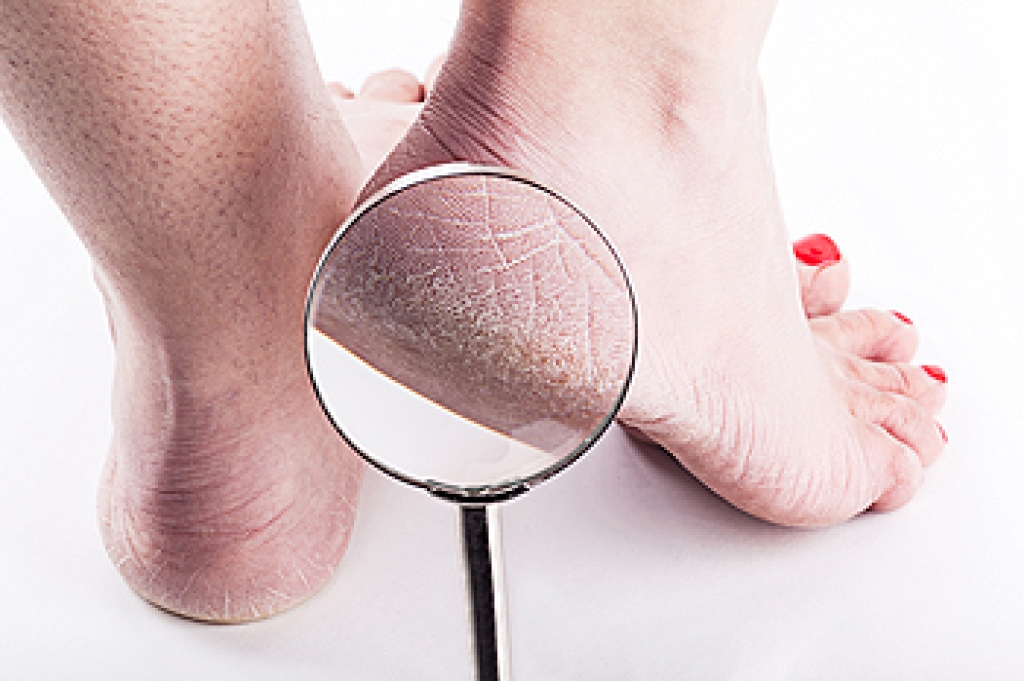
With the warm weather upon us, we are eagerly pulling out our sandals and flip-flops. While this is a welcome trend in some respects, a downside is that it exposes cracked heels, an unsightly, sometimes painful, and potentially unhealthy condition. Wearing footwear such as sandals that expose the heels can lead to dry, cracked heels due to their lack of support and exposure to the elements. When our heels strike the ground while walking or running, the skin around them must be supple and flexible to move and stretch. Dryness and calluses hinder this flexibility, causing the skin to crack and split. To combat this condition, shoes with heel cups can be worn for better support and cushioning. Socks can also help prevent skin friction against the shoe's material. Hydrating well and moisturizing the feet regularly is particularly effective. If underlying causes for cracked heels, such as diabetes, contribute to cracked heels, they must be addressed to prevent recurrence. If you suffer from this uncomfortable ailment, it is suggested that you make an appointment with a podiatrist for a proper examination and individualized treatment.
Cracked heels are unsightly and can cause further damage to your shoes and feet. If you have any concerns, contact one of our podiatrists from Active Foot and Ankle Care, LLC. Our doctors can provide the care you need to keep you pain-free and on your feet.
Cracked Heels
Cracked heels appear unappealing and can make it harder for you walk around in sandals. Aside from looking unpleasant, cracked heels can also tear stockings, socks, and wear out your shoes. There are several methods to help restore a cracked heel and prevent further damage.
How Do You Get Them?
Dry skin is the number one culprit in creating cracked heels. Many athletes, walkers, joggers, and even swimmers suffer from cracked heels. Age and skin oil production play a role to getting cracked heels as well.
Promote Healing
Over the counter medicines can help, especially for those that need instant relief or who suffer from chronic dry feet.
Wear Socks – Wearing socks with medicated creams helps lock in moisture.
Moisturizers – Applying both day and night will help alleviate dryness which causes cracking.
Pumice Stones – These exfoliate and remove dead skin, which allows for smoother moisturizer application and better absorption into the skin.
Change in Diet
Eating healthy with a well-balanced diet will give the skin a fresh and radiant look. Your body responds to the kinds of food you ingest. Omega-3 fatty acids and zinc supplements can also revitalize skin tissue.
Most importantly, seek professional help if unsure how to proceed in treating cracked heels. A podiatrist will help you with any questions or information needed.
If you have any questions, please feel free to contact our offices located in Fair Lawn, Riverdale, and Englewood, NJ . We offer the newest diagnostic and treatment technologies for all your foot care needs.
Multiwave Locked System (MLS) laser therapy is an advanced, safe, and effective way to treat heel pain. Contact our office for more information and to see if this treatment is right for you.