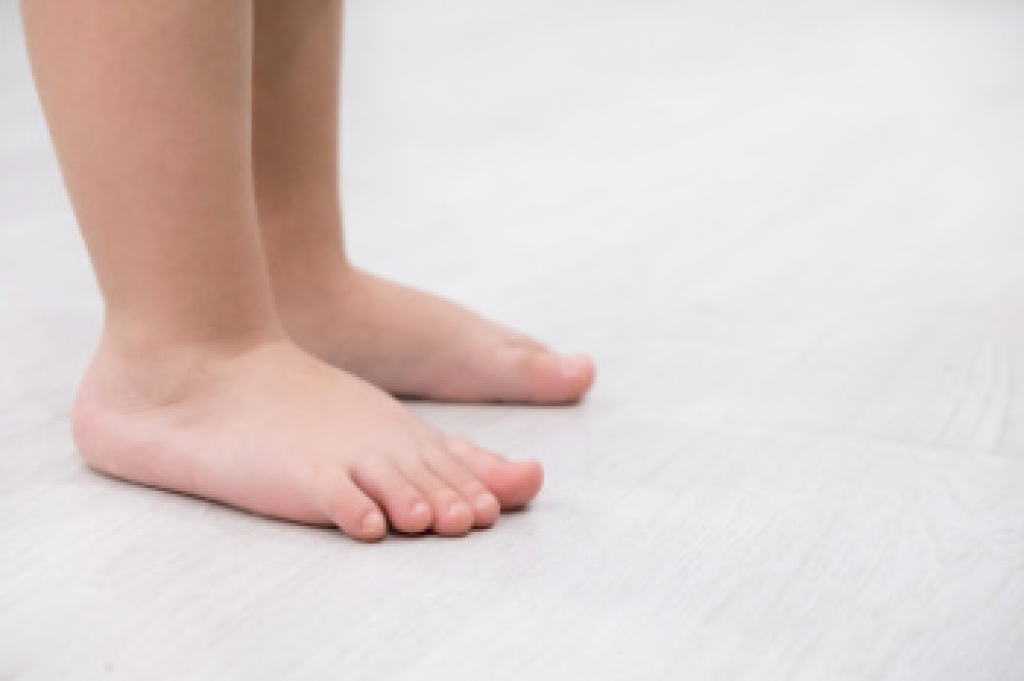
Flexible flatfoot is a common condition in school age children where the arch of the foot appears when sitting but flattens when standing or walking. This occurs because the ligaments and soft tissues in the foot are still developing and may not yet provide full structural support. While many children do not experience pain, some develop symptoms that affect daily movement and physical activity. Understanding flexible flatfoot helps parents recognize when additional support, such as insoles, may be beneficial for improving comfort and alignment.
Symptoms of flexible flatfoot in children can include foot fatigue, arch discomfort, heel pain, and uneven walking patterns. Some children may complain of tired legs after school or physical activity, while others may show signs of poor balance or inward rolling of the feet. These symptoms can become more noticeable during growth periods or increased activity levels. Identifying these signs early allows for supportive care that can reduce strain on the feet and lower limbs.
The causes of flexible flatfoot often relate to ligament laxity, muscle weakness, and natural development of the foot structure. Risk factors include family history, obesity, and prolonged standing or walking during the day. Without proper support, the foot may remain in a flattened position, leading to increased stress on joints and soft tissue. Insoles are designed to provide arch support, improve alignment, and distribute pressure more evenly across the foot. This can reduce discomfort, enhance stability, and support healthy foot development during important growth stages.
Using properly fitted insoles can help children maintain better posture and reduce strain during daily activities, such as walking, running, and standing at school. Wearing supportive footwear combined with insoles promotes comfort and encourages active movement without pain. Early intervention can prevent long-term complications and support overall foot health. If your child has flat feet, it is suggested that you consult a podiatrist who can discuss the benefits of orthotics with you.
Custom orthotics play an important role in preventing and treating foot and ankle injuries by providing personalized support that aligns with the unique structure of each foot. These specially designed devices help correct biomechanical imbalances, reduce pressure on sensitive areas, and improve stability during movement. When the feet are properly supported, the risk of developing conditions such as plantar fasciitis, Achilles tendinitis, and ankle sprains can be significantly reduced. Custom orthotics also help relieve discomfort caused by having flat feet, high arches, or uneven leg length, which may contribute to recurring injuries or pain.
Foot and ankle injuries can develop gradually from repetitive strain or occur suddenly during physical activity. Without proper treatment, these injuries can affect mobility and overall quality of life. Orthotics work to redistribute weight evenly across the foot, allowing joints and muscles to function more efficiently. This not only supports recovery from injury but can also prevent future problems by promoting better posture and alignment throughout the lower body.
Unlike over-the-counter inserts, custom orthotics are designed based on a detailed evaluation of each patient’s foot structure, gait, and medical needs. Podiatrists use advanced imaging and diagnostic tools to create orthotics that fit precisely and provide targeted correction. Whether used in everyday footwear or athletic shoes, custom orthotics can improve comfort, enhance performance, and support long-term foot health.
If you are experiencing foot or ankle pain or have sustained an injury that has not improved with rest, it is suggested that you schedule an appointment with a podiatrist. Call our office for more information or to make an appointment.
If you have any questions, please feel free to contact our offices located in Fair Lawn, Riverdale, and Englewood, NJ .