
Plantar warts are small growths that develop on parts of the feet that bear weight. They're typically found on the bottom of the foot. Don't live with plantar warts, and call us today!
Plantar warts are small growths that develop on parts of the feet that bear weight. They're typically found on the bottom of the foot. Don't live with plantar warts, and call us today!
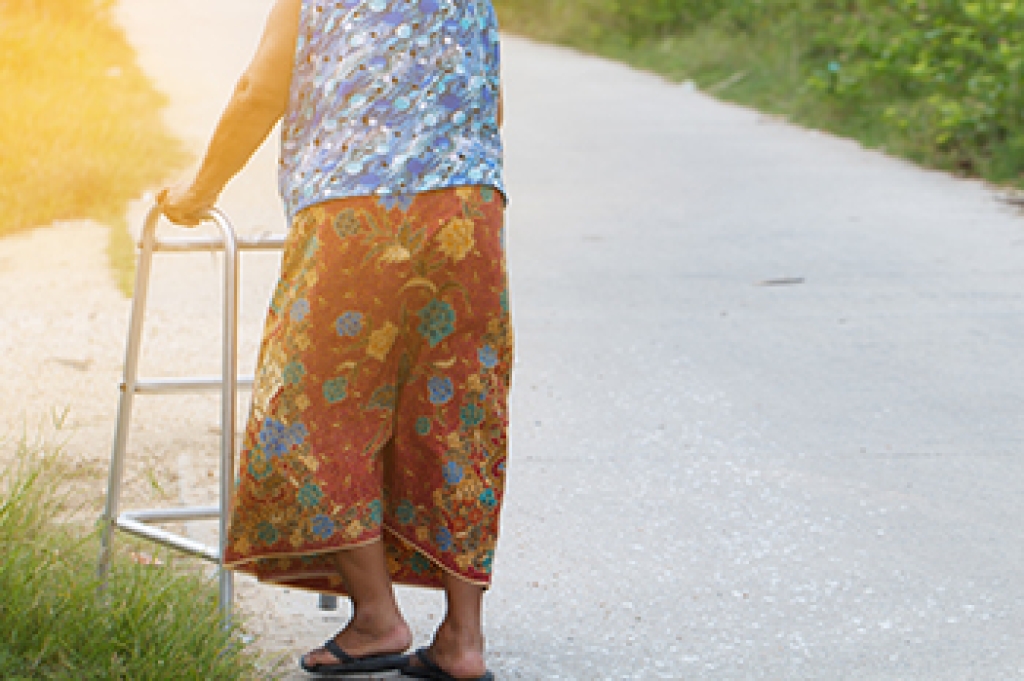
Elderly people who routinely practice building their strength and flexibility may decrease their chances of falling. Balance and confidence may become stronger from performing stretches and exercising, which may help to enhance the vestibular system. This is found in the inner ear and contributes to how well the body can balance. Having good balance is crucial in preventing falls, and this can help the bones, joints, and muscles in the feet to stay strong. Some effective activities and stretches can include playing ping pong, golf, learning tai chi, or taking up gardening. Making improvements in the household is also an effective fall prevention technique. These can consist of installing grab bars in the shower and toilet area and removing worn rugs from the living environment. Additionally, it is beneficial to have regular physical and eye examinations that can update existing medications and eyeglasses. If you would like more information about how having strong feet can help to prevent falling, it is suggested that you consult with a podiatrist who can provide you with the information you are seeking.
Preventing falls among the elderly is very important. If you are older and have fallen or fear that you are prone to falling, consult with one of our podiatrists from Active Foot and Ankle Care, LLC. Our doctors will assess your condition and provide you with quality advice and care.
Every 11 seconds, an elderly American is being treated in an emergency room for a fall related injury. Falls are the leading cause of head and hip injuries for those 65 and older. Due to decreases in strength, balance, senses, and lack of awareness, elderly persons are very susceptible to falling. Thankfully, there are a number of things older persons can do to prevent falls.
How to Prevent Falls
Some effective methods that older persons can do to prevent falls include:
Falling can be a traumatic and embarrassing experience for elderly persons; this can make them less willing to leave the house, and less willing to talk to someone about their fears of falling. Doing such things, however, will increase the likelihood of tripping or losing one’s balance. Knowing the causes of falling and how to prevent them is the best way to mitigate the risk of serious injury.
If you have any questions, please feel free to contact our offices located in Fair Lawn, Riverdale, and Englewood, NJ . We offer the newest diagnostic and treatment technologies for all your foot care needs.
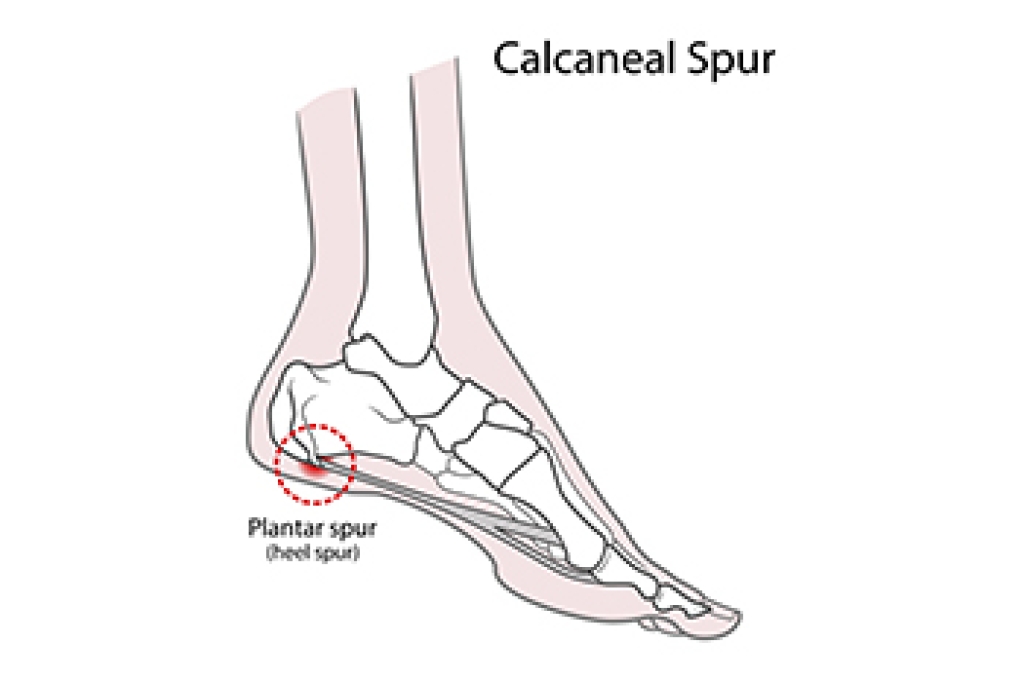
Heel pain is the main symptom when a heel spur develops. It is defined as a bony growth that forms on the bottom of the heel and can measure up to an inch in length. This calcium deposit generally begins in the front of the heel and may spread to other areas of the foot if medical attention is not received. Some of the symptoms that are associated with heel spurs can include inflammation of the heel and ankle, and there is often pain while walking or running. Athletes and runners put pressure on the heel pads, possibly causing them to gradually wear down. A heel spur can be created from this, and activity may have to be temporarily stopped. People who are obese may be prone to developing heel spurs, which is a result of the added weight the body carries. If you have heel pain, it is suggested that you consult a podiatrist who can diagnose a heel spur, and guide you toward correct treatment methods.
Heel spurs can be incredibly painful and sometimes may make you unable to participate in physical activities. To get medical care for your heel spurs, contact one of our podiatrists from Active Foot and Ankle Care, LLC. Our doctors will do everything possible to treat your condition.
Heels Spurs
Heel spurs are formed by calcium deposits on the back of the foot where the heel is. This can also be caused by small fragments of bone breaking off one section of the foot, attaching onto the back of the foot. Heel spurs can also be bone growth on the back of the foot and may grow in the direction of the arch of the foot.
Older individuals usually suffer from heel spurs and pain sometimes intensifies with age. One of the main condition's spurs are related to is plantar fasciitis.
Pain
The pain associated with spurs is often because of weight placed on the feet. When someone is walking, their entire weight is concentrated on the feet. Bone spurs then have the tendency to affect other bones and tissues around the foot. As the pain continues, the feet will become tender and sensitive over time.
Treatments
There are many ways to treat heel spurs. If one is suffering from heel spurs in conjunction with pain, there are several methods for healing. Medication, surgery, and herbal care are some options.
If you have any questions, please feel free to contact our offices located in Fair Lawn, Riverdale, and Englewood, NJ . We offer the newest diagnostic and treatment technologies for all your foot care needs.
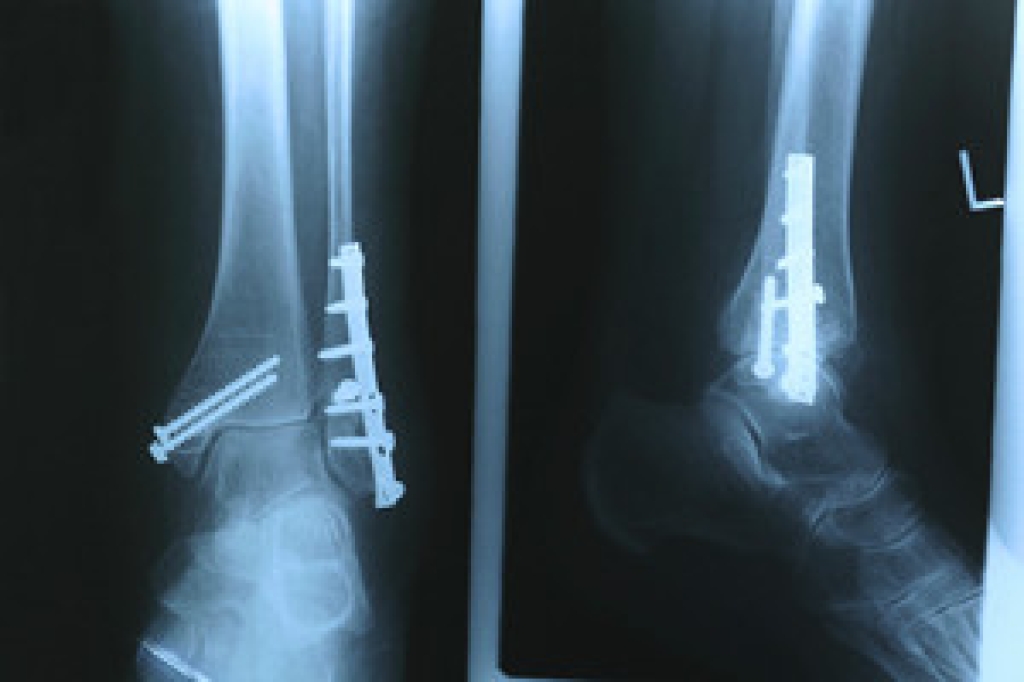
People who are severely afflicted by ankle arthritis may choose to have ankle surgery performed. It is considered to be joint replacement surgery, and may be successful in removing damaged tissue in the ankle. This is followed by replacing it with a metal or plastic prosthesis. The benefits of this type of surgery may include improved range of motion in the ankle, and can protect the ankle joint. Research has shown the ideal candidate can include patients who are middle-aged or above, have a normal weight, and refrain from having a physically demanding lifestyle. The recovery process can consist of using crutches for two weeks after surgery, followed by wearing a protective boot for approximately six weeks. Many patients practice ankle stretches or exercises at this point, which will gradually strengthen the ankle, and normal activity can eventually resume. If you have severe ankle pain and are considering having joint replacement surgery performed, it is strongly suggested that you are under the care of a podiatrist who can determine if this is the right choice for you.
In certain cases, in which the patient suffers from extreme pain or damage in a joint, joint replacement surgery may be deemed useful. If you have constant pain in a foot joint, consult with one of our podiatrists from Active Foot and Ankle Care, LLC. Our doctors will assess your condition and provide you with quality foot and ankle treatment.
What Is Joint Replacement Surgery?
Over time, joints wear down; this can be exacerbated by diseases and conditions. Joint replacement surgery, also known as arthroplasty, is when a damaged joint is surgically removed and replaced with a prosthesis. Prostheses, which can be made of ceramic, plastic, or metal, act as joints in lieu of an actual joint. One of the most prevalent causes for joint replacement is arthritis.
Arthritis in the Foot
Arthritis can occur in any joint in the body, including in the feet. Common types of arthritis in the foot are osteoarthritis, rheumatoid arthritis, and gout. The big toe is usually where arthritis occurs in the foot; this is known as hallux rigidus.
Joint Replacement Surgery in the Foot
The most common form of joint replacement in the foot is a first metatarsophalangeal (MTP) joint placement. MTP joint replacement surgery is designed to treat hallux rigidus. Surgery is not intensive, and recovery occurs within one to two months after the procedure has been done. Overall, joint replacement surgery is a safe and effective way to treat pain in the joint of the foot.
If you have any questions, please feel free to contact our offices located in Fair Lawn, Riverdale, and Englewood, NJ . We offer the newest diagnostic and treatment technologies for all your foot care needs.

If you are suffering from tenderness, pain, or stiffness in the joints of your feet or ankles, call us to schedule an appointment.