Chronic Ankle Instability and Podiatric Care

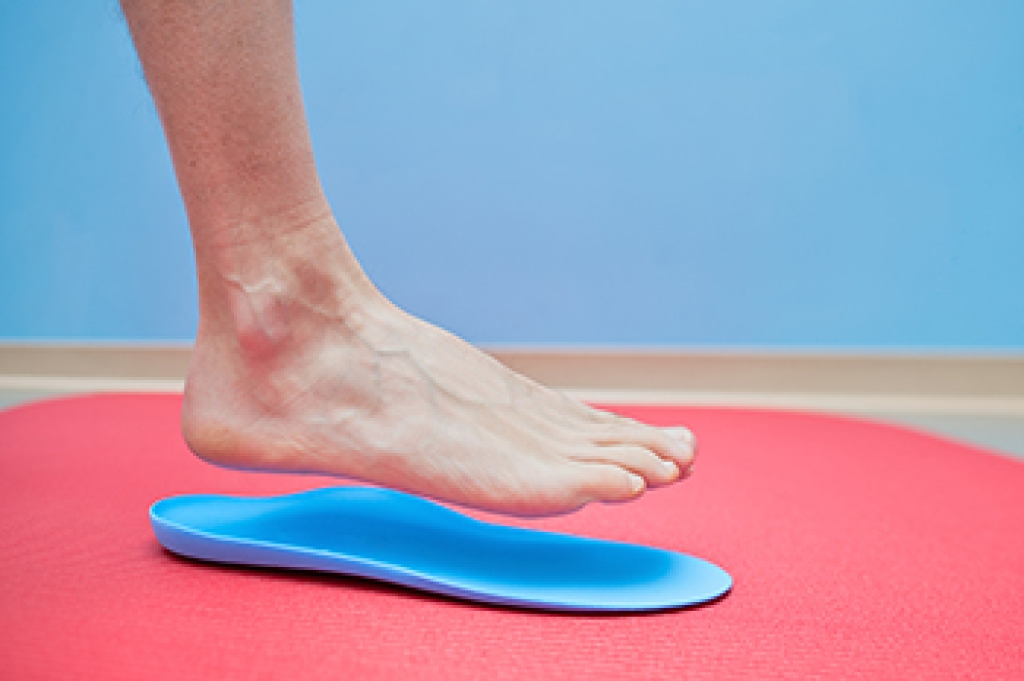
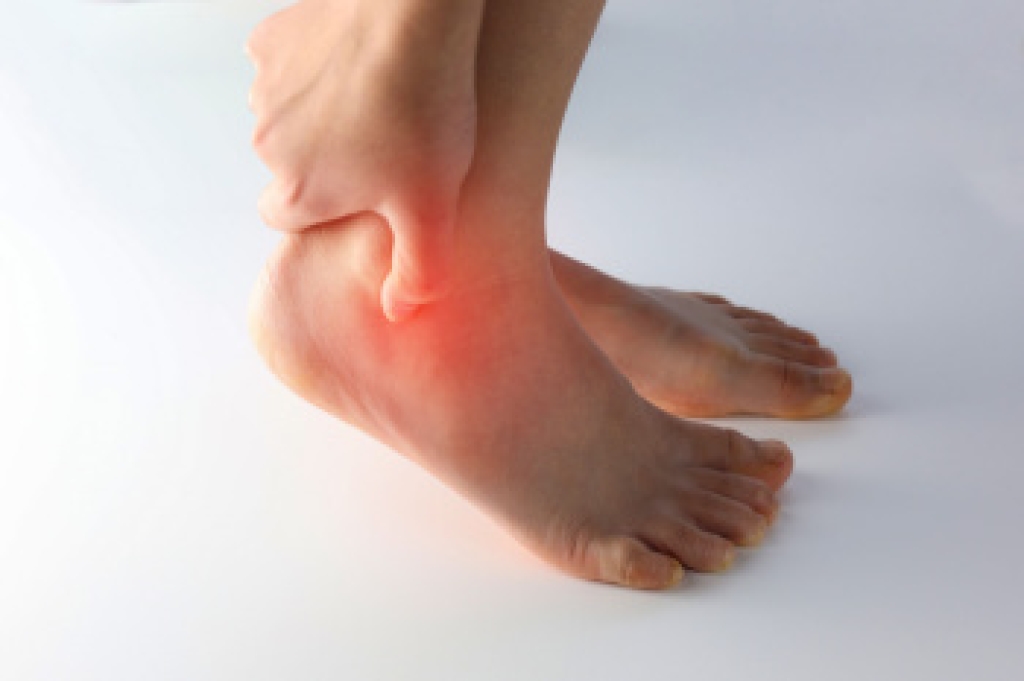
Chronic ankle instability is a condition where the ankle frequently gives way, especially during physical activity or walking on uneven surfaces. It often develops from recurrent ankle sprains, multiple ligament injuries, or even a first-time ankle sprain at a young age that did not heal properly. Symptoms may include persistent swelling, pain, and a feeling of weakness or looseness in the ankle. A podiatrist can help by assessing joint stability, taking radiographic images, prescribing strengthening exercises, fitting supportive orthotics, and providing treatments to improve balance and prevent future injuries. If chronic ankle instability is limiting your mobility or causing repeated sprains, it is suggested that you consult a podiatrist who can help you to manage this condition.

Ankle pain can have many different causes and the pain may potentially be serious. If you have ankle pain, consult with one of our podiatrists from Active Foot and Ankle Care, LLC. Our doctors will assess your condition and provide you with quality foot and ankle treatment.

Ankle pain is any condition that causes pain in the ankle. Due to the fact that the ankle consists of tendons, muscles, bones, and ligaments, ankle pain can come from a number of different conditions.

Causes

The most common causes of ankle pain include:

  • Types of arthritis (rheumatoid, osteoarthritis, and gout)
  • Ankle sprains
  • Broken ankles
  • Achilles tendinitis
  • Achilles tendon rupture
  • Stress fractures
  • Tarsal tunnel syndrome
  • Plantar fasciitis

Symptoms

Symptoms of ankle injury vary based upon the condition. Pain may include general pain and discomfort, swelling, aching, redness, bruising, burning or stabbing sensations, and/or loss of sensation.

Diagnosis

Due to the wide variety of potential causes of ankle pain, podiatrists will utilize a number of different methods to properly diagnose ankle pain. This can include asking for personal and family medical histories and of any recent injuries. Further diagnosis may include sensation tests, a physical examination, and potentially x-rays or other imaging tests.

Treatment

Just as the range of causes varies widely, so do treatments. Some more common treatments are rest, ice packs, keeping pressure off the foot, orthotics and braces, medication for inflammation and pain, and surgery.

If you have any questions please feel free to contact our offices located in Fair Lawn, Riverdale, and Englewood, NJ . We offer the newest diagnostic tools and technology to treat your foot and ankle needs.

Read more about Ankle Pain

Struggling With Heel Pain? Custom Orthotics Can Help

Struggling with heel pain? Discover the relief Custom Orthotics can bring. Customized to your foot's unique structure, Custom Orthotics offer targeted support, alleviating pressure points and redistributing weight. This means reduced heel pain and a more comfortable step, every time. Whether you're walking, working, or working out, Custom Orthotics ensure your heels feel cushioned and cared for. Experience the transformative power of Custom Orthotics with us today! Call today for more information.

Understanding Bunions

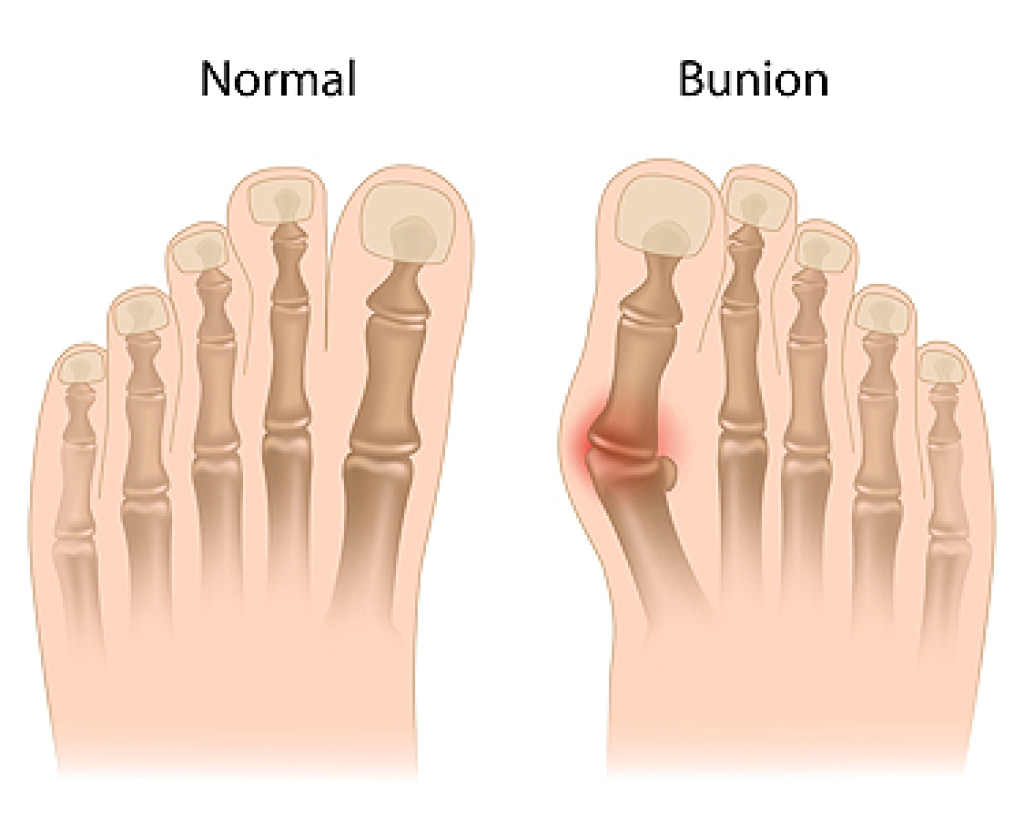
A bunion is a bony bump that forms at the base of the big toe as the tip of the toe shifts inward toward the others. Common causes include genetics, wearing tight or narrow shoes, arthritis, and foot structure abnormalities. Symptoms typically involve pain, swelling, redness, and difficulty walking, along with visible changes in foot shape. Bunions can feel sore, stiff, or even numb, and may worsen over time, if left untreated.  A podiatrist can help by evaluating the severity of the bunion and developing a personalized treatment plan. Options include footwear recommendations, custom orthotics, pain relief strategies, or, in more advanced cases, bunion surgery. Early intervention is key to preventing long-term discomfort and deformity. If you have a painful bunion, it is suggested that you schedule an appointment with a podiatrist who can offer effective relief and treatment solutions.

If you are suffering from bunions, contact one of our podiatrists of Active Foot and Ankle Care, LLC. Our doctors can provide the care you need to keep you pain-free and on your feet.

What Is a Bunion?

A bunion is formed of swollen tissue or an enlargement of boney growth, usually located at the base joint of the toe that connects to the foot. The swelling occurs due to the bones in the big toe shifting inward, which impacts the other toes of the foot. This causes the area around the base of the big toe to become inflamed and painful.

Why Do Bunions Form?

Genetics – Susceptibility to bunions are often hereditary

Stress on the feet – Poorly fitted and uncomfortable footwear that places stress on feet, such as heels, can worsen existing bunions

How Are Bunions Diagnosed?

Podiatrists often perform two tests – blood tests and x-rays – when trying to diagnose bunions, especially in the early stages of development. Blood tests help determine if the foot pain is being caused by something else, such as arthritis, while x-rays provide a clear picture of your bone structure to your provider.

How Are Bunions Treated?

  • Refrain from wearing heels or similar shoes that cause discomfort
  • Select wider shoes that can provide more comfort and reduce pain
  • Anti-inflammatory and pain management drugs
  • Orthotics or foot inserts
  • Surgery

If you have any questions, please feel free to contact our offices located in Fair Lawn, Riverdale, and Englewood, NJ . We offer the newest diagnostic and treatment technologies for all your foot care needs.

Read more about What Are Bunions?

Why Live with Pain and Numbness in Your Feet?

Suffering from this type of pain? You may have the foot condition known as Morton's neuroma. Morton's neuroma may develop as a result of ill-fitting footwear and existing foot deformities. We can help.

Custom Orthotics for Pes Planus Provide Targeted Support

Pes planus, or flat feet, affects the structure and function of the foot, but the condition presents differently from one person to another. Arch height, foot mechanics, and overall alignment vary, which means a one-size-fits-all approach is rarely effective. For this reason, treatment should be tailored to the individual. Custom orthotics are crafted to support the unique shape and needs of each foot, helping to redistribute pressure and promote better movement. By improving how weight is carried through the foot, these insoles may reduce discomfort and help restore more natural foot function. Over time, they may also support better posture and performance in daily or athletic activities. While not a cure, custom orthotics offer a practical and noninvasive option for managing pes planus. If you are experiencing symptoms related to flat feet, it is suggested that you visit a podiatrist to discuss personalized treatment options.

Custom orthotics are often an effective solution for people experiencing heel pain, offering both comfort and correction for the underlying causes of discomfort. Heel pain commonly develops when the natural support of the foot becomes strained or imbalanced, leading to inflammation and irritation in the heel area. Conditions such as plantar fasciitis, heel spurs, or flat feet can all contribute to chronic heel pain that worsens with walking or standing. Custom orthotics are designed to fit the exact shape of your foot, providing the support and alignment necessary to reduce stress on the heel and surrounding tissues.

By redistributing pressure and improving overall foot mechanics, custom orthotics allow the heel to function more efficiently during movement. They cushion each step, absorb shock, and correct abnormal gait patterns that may be contributing to pain. Over time, this consistent support can ease inflammation, protect against re-injury, and enhance comfort during both daily and athletic activities.

Unlike prefabricated insoles, custom orthotics are created from a detailed evaluation that may include digital scans or molds of your feet. This ensures a precise and individualized fit that addresses your specific condition. They can be used in various types of footwear, from athletic shoes to dress styles, making them a versatile option for ongoing relief.

If heel pain is limiting your comfort or activity level, it is suggested that you call our office for more information or to schedule an appointment.

If you have any questions please contact our offices located in Fair Lawn, Riverdale, and Englewood, NJ

Read more about Investing in Custom Orthotics Means Investing in Foot Health
Hackensack University Medical Center Logo American Podiatric Medical Association Logo American College of Foot and Ankle Surgeons Logo The Association of Extremity Nerve Surgeons Logo American Academy of Podiatric Sports Medicine Logo Atlas Foot Alignment Institute Logo
Advanced Podiatric Procedures & Services in the Bergen County, NJ: Fair Lawn (Ridgewood, Glen Rock, Woodcliff Lake, Hillsdale, Westwood, Closter, Wyckoff, Ramsey, Oakland) and Englewood (Hackensack, Paramus, Tenafly, Closter, Northvale, East Rutherford); Morris County, NJ: Riverdale (Butler, Kinnelon, Montville, Boonton, Pequannock Township, Lincoln Park) as well as Passaic County, NJ (Hawthorne, Paterson, Clifton, Totowa, Pompton Lakes, Wanaque, Wayne, Macopin, Ringwood) and Hudson County, NJ (Secaucus, North Bergen) areas