As of October 1, 2026 Dr Braver ONLY will be Out of Network with United Healthcare/Oxford. We will be accepting your Out of Network Benefits.

Accessory Soleus Muscle and Outer Ankle Pain

An accessory soleus muscle is an uncommon extra muscle found near the lower portion of the calf and ankle. Most people have a soleus muscle that works with the calf muscle to help control movement of the ankle and push the foot downward. An accessory soleus muscle develops when additional muscle tissue is present beside the normal soleus. It may cause no symptoms, but some people experience pain, swelling, or pressure around the inner or outer ankle. 

The exact reason an accessory soleus muscle develops is related to differences in muscle development before birth. Although it is present from an early stage of life, symptoms may not appear until activity levels increase. Athletes and people involved in repetitive weight-bearing activities may notice discomfort because the extra muscle can become enlarged or irritated. A person may experience pain, tingling, or unusual sensations around the ankle and foot. Numbness on the outside of the ankle should be evaluated because several conditions can produce similar symptoms.


A podiatrist can evaluate the ankle, foot, and lower leg to determine whether an accessory soleus muscle is contributing to symptoms. The examination may include checking muscle strength, range of motion, and walking mechanics. Treatment depends on symptom severity and may include activity modification, supportive footwear, or custom orthotics. When conservative care does not provide relief and symptoms are significant, a podiatrist may discuss additional treatment options.


Persistent ankle pain or numbness should not be assumed to be caused by a simple muscle strain. Identifying the underlying problem is important because symptoms from an accessory soleus muscle can overlap with nerve compression and other foot or ankle conditions. A podiatrist can develop an individualized treatment plan designed to reduce irritation and improve comfortable movement. If you have pain, numbness, or unusual symptoms surrounding the ankle or foot, it is suggested that you consult a podiatrist for an accurate diagnosis and appropriate treatment.

Ankle pain can be caused by a number of problems and may be potentially serious. If you have ankle pain, consult with one of our podiatrists from Active Foot and Ankle Care, LLC. Our doctors will assess your condition and provide you with quality foot and ankle treatment.

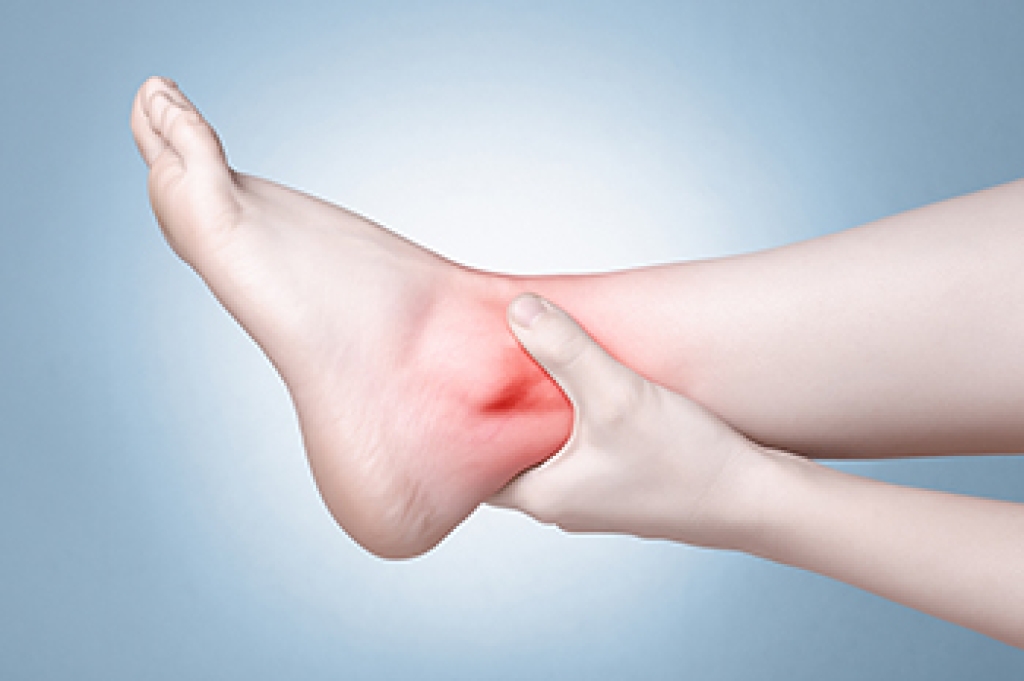
Ankle pain is any condition that causes pain in the ankle. Due to the fact that the ankle consists of tendons, muscles, bones, and ligaments, ankle pain can come from a number of different conditions.

Causes

The most common causes of ankle pain include:

  • Types of arthritis (rheumatoid, osteoarthritis, and gout)
  • Ankle sprains
  • Broken ankles
  • Achilles tendonitis
  • Achilles tendon rupture
  • Stress fractures
  • Bursitis
  • Tarsal tunnel syndrome
  • Plantar fasciitis

Symptoms

Symptoms of ankle injury vary based upon the condition. Pain may include general pain and discomfort, swelling, aching, redness, bruising, burning or stabbing sensations, and/or loss of sensation.

Diagnosis

Due to the wide variety of potential causes of ankle pain, podiatrists will utilize a number of different methods to properly diagnose ankle pain. This can include asking for personal and family medical histories and of any recent injuries. Further diagnosis may include sensation tests, a physical examination, and potentially x-rays or other imaging tests.

Treatment

Just as the range of causes varies widely, so do treatments. Some more common treatments are rest, ice packs, keeping pressure off the foot, orthotics and braces, medication for inflammation and pain, and surgery.

If you have any questions please feel free to contact our offices located in Fair Lawn, Riverdale, and Englewood, NJ . We offer the newest diagnostic tools and technology to treat your foot and ankle needs.
Read more about Ankle Pain

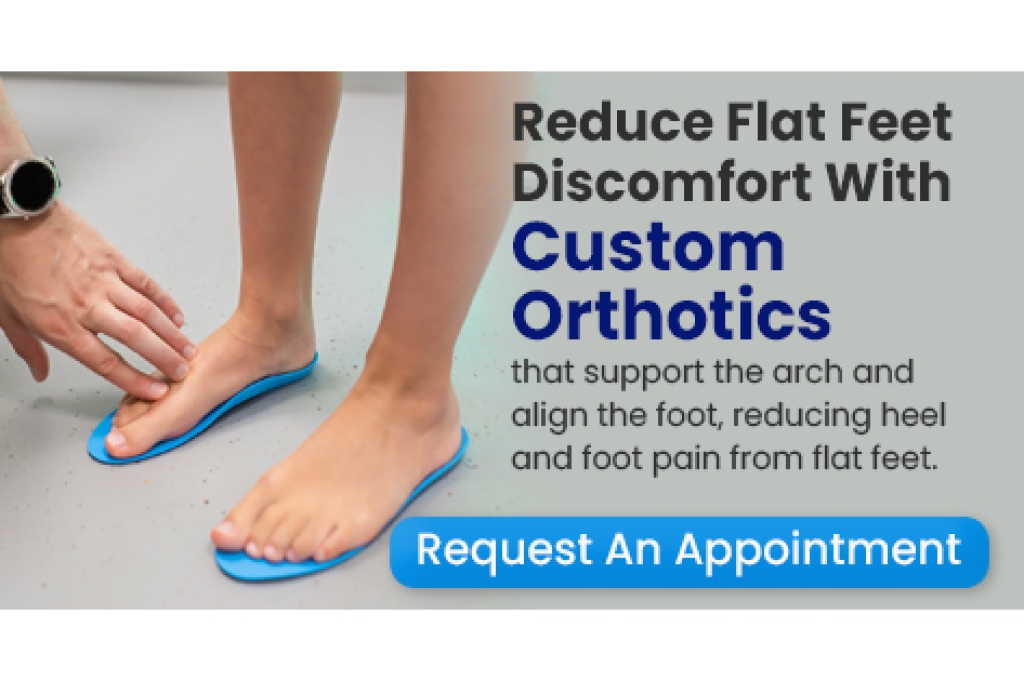
Reduce Flat Feet Discomfort With Custom Orthotics

Flat feet? Rise above the discomfort with Custom Orthotics. Specifically designed to support the arch and align the foot, Custom Orthotics can be a game-changer for those with flat feet. They help in distributing weight evenly, preventing undue stress and potential pain. Walk, run, or stand with newfound confidence, knowing your feet have the support they've been missing. Want to explore the benefits of Custom Orthotics tailored for flat feet? Contact us today!

Foot Ulcers and Diabetes

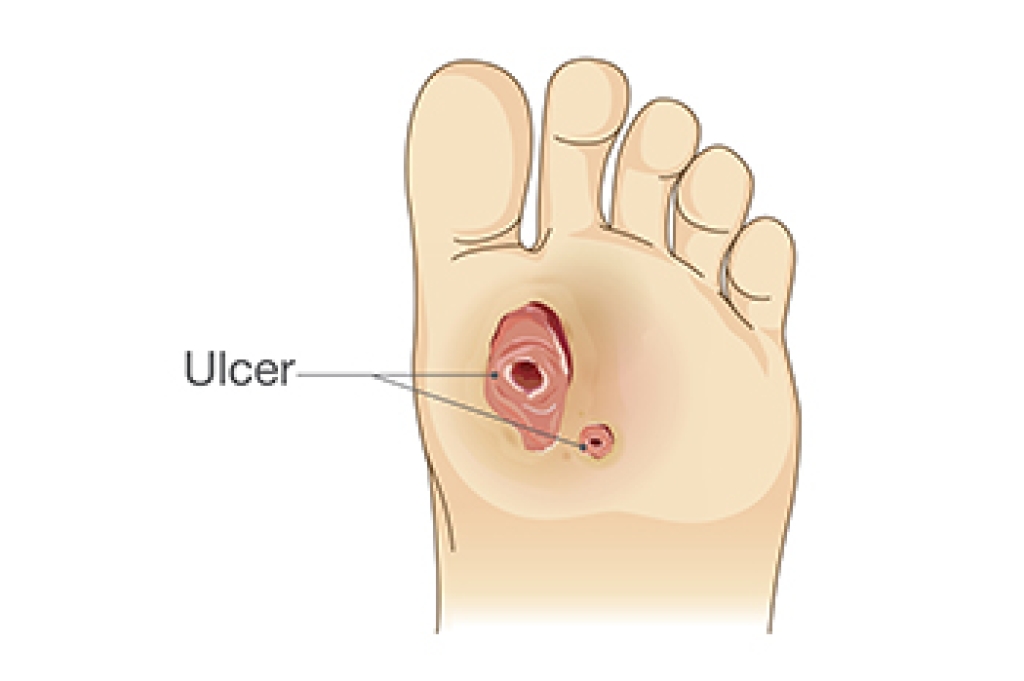
A foot ulcer is an open sore that develops on the foot and does not heal normally. It can begin with a small cut, blister, or area of pressure. Without proper care, the wound may become deeper and infected. Foot ulcers are especially common in people with diabetes. Understanding how they develop can help you recognize warning signs early and protect your feet from serious complications.

Diabetes can increase the risk of foot ulcers because high blood sugar may damage nerves and blood vessels over time. Nerve damage can reduce feeling in the feet, making it harder to notice pain or an injury. Poor circulation can also limit the oxygen and nutrients needed for healing. Common symptoms include an open sore, redness, or unusual odor. Some people may have little or no pain because of nerve damage.

Foot ulcers can develop from pressure, friction, or minor injuries. Other risk factors include diabetes, reduced circulation, and a history of previous ulcers. A podiatrist can examine the wound and surrounding skin to determine its severity. Treatment may include cleaning the ulcer, removing unhealthy tissue, and reducing pressure on the affected area. Infection may require medication. Circulation and nerve function may also be checked.

Early treatment can help prevent an ulcer from becoming more serious. Check your feet regularly for changes and avoid walking barefoot when possible. Wear properly fitted shoes that reduce pressure and protect the skin. Diabetes is a serious condition and may cause foot pain or wounds. If you notice a wound that is not healing, it is strongly suggested that you are under the care of a podiatrist who can offer effective relief and treatment solutions. 

Wound care is an important part in dealing with diabetes. If you have diabetes and a foot wound or would like more information about wound care for diabetics, consult with one of our podiatrists from Active Foot and Ankle Care, LLC. Our doctors will assess your condition and provide you with quality foot and ankle treatment.

What Is Wound Care?

Wound care is the practice of taking proper care of a wound. This can range from the smallest to the largest of wounds. While everyone can benefit from proper wound care, it is much more important for diabetics. Diabetics often suffer from poor blood circulation which causes wounds to heal much slower than they would in a non-diabetic. 

What Is the Importance of Wound Care?

While it may not seem apparent with small ulcers on the foot, for diabetics, any size ulcer can become infected. Diabetics often also suffer from neuropathy, or nerve loss. This means they might not even feel when they have an ulcer on their foot. If the wound becomes severely infected, amputation may be necessary. Therefore, it is of the upmost importance to properly care for any and all foot wounds.

How to Care for Wounds

The best way to care for foot wounds is to prevent them. For diabetics, this means daily inspections of the feet for any signs of abnormalities or ulcers. It is also recommended to see a podiatrist several times a year for a foot inspection. If you do have an ulcer, run the wound under water to clear dirt from the wound; then apply antibiotic ointment to the wound and cover with a bandage. Bandages should be changed daily and keeping pressure off the wound is smart. It is advised to see a podiatrist, who can keep an eye on it.

If you have any questions please contact our offices located in Fair Lawn, Riverdale, and Englewood, NJ . We offer the newest diagnostic and treatment technologies for all your foot and ankle needs.

Read more about Wound Care

Do You Suffer From Painful Feet?

Painful deformities, such as hammertoes, can be treated. Stop living with foot pain, and have beautiful feet again!

Are Custom Orthotics Right for You?

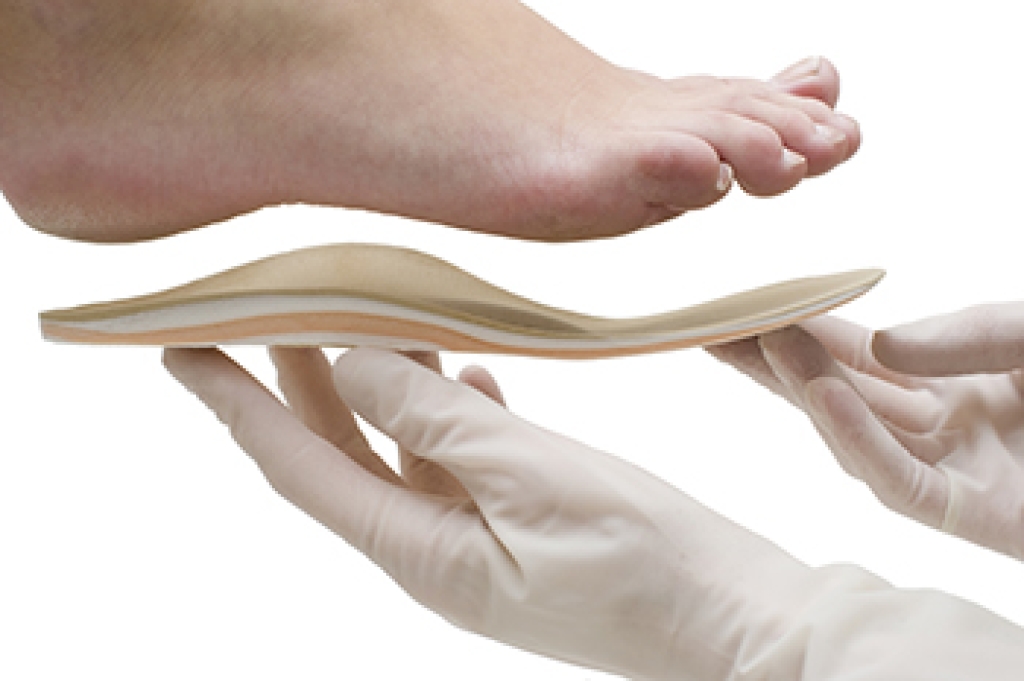
An orthotic is a custom-made medical device prescribed to fit inside a person's footwear. It is designed to address specific foot and lower extremity issues. The primary purpose of custom orthotics is to promote optimal foot posture by aligning the hindfoot, midfoot, and forefoot to relieve pain and discomfort. Think of orthotics as serving the feet in a similar way that glasses aid the eyes. Contrary to a common misconception that orthotics are solely for seniors, they are suitable for individuals of all ages and can be used in various activities and with almost any type of shoe. Orthotics come in diverse shapes and sizes, tailored to the footwear they will be placed in and the specific conditions they aim to treat. Custom orthotics vary in materials, ranging from rigid plastic and carbon laminates to soft foam, depending on a patient's needs and physical characteristics. These orthotics can be accommodated in a wide range of shoes, including children's shoes, athletic footwear, soccer cleats, skates, ski boots, formal dress shoes, and protective footwear. If you have foot problems and wonder if orthotics might help you, it is suggested that you make an appointment with a podiatrist to have your situation assessed and the best treatment determined.

Our feet carry us through every part of life, absorbing the impact of thousands of steps each day. When they are not properly supported, the effects can extend far beyond the feet themselves. Custom orthotics provide the foundation the body needs by aligning, cushioning, and stabilizing each foot in its most natural position. They are carefully crafted to match the unique structure of each individual’s feet, allowing them to move efficiently and comfortably while reducing stress on the muscles, joints, and ligaments.

Proper foot support is essential for maintaining balance and preventing fatigue. Without it, the body compensates by shifting weight unevenly, which can lead to discomfort in the ankles, knees, hips, or lower back. Custom orthotics help restore this balance by redistributing pressure and promoting a more natural walking pattern. They not only ease existing pain but also protect against future strain or injury by supporting the arches and controlling excessive motion.

Unlike store-bought insoles, custom orthotics are created through detailed assessment and advanced technology to provide precise correction and comfort. They fit seamlessly into most shoes, making them ideal for daily wear, work, or sports.

If your feet feel tired, sore, or unsupported, it is recommended that you contact our office for more information, or to make an appointment.

If you have any questions please contact our offices located in Fair Lawn, Riverdale, and Englewood, NJ . 

Read more about Sole Marketing and Heel Pain
Hackensack University Medical Center Logo American Podiatric Medical Association Logo American College of Foot and Ankle Surgeons Logo The Association of Extremity Nerve Surgeons Logo American Academy of Podiatric Sports Medicine Logo Atlas Foot Alignment Institute Logo
Advanced Podiatric Procedures & Services in the Bergen County, NJ: Fair Lawn (Ridgewood, Glen Rock, Woodcliff Lake, Hillsdale, Westwood, Closter, Wyckoff, Ramsey, Oakland) and Englewood (Hackensack, Paramus, Tenafly, Closter, Northvale, East Rutherford); Morris County, NJ: Riverdale (Butler, Kinnelon, Montville, Boonton, Pequannock Township, Lincoln Park) as well as Passaic County, NJ (Hawthorne, Paterson, Clifton, Totowa, Pompton Lakes, Wanaque, Wayne, Macopin, Ringwood) and Hudson County, NJ (Secaucus, North Bergen) areas