 Turf toe is an injury common among athletes, particularly those who play on hard surfaces like artificial turf. It occurs when the big toe bends too far upwards, stretching or tearing the soft tissue underneath the toe joint. This type of injury is most often seen in sports that involve rapid starts, stops, and turns, leading to a sudden forceful impact on the toe. Symptoms of turf toe include pain at the base or joint of the big toe, swelling, and limited joint movement, making it difficult to walk or run. Some people also experience a popping sensation at the time of the injury. Symptoms may be more severe if there is extensive damage to the soft tissue. Proper diagnosis and treatment are important to manage pain, reduce inflammation, and ensure a full recovery. If you have big toe joint pain, it is suggested that you make an appointment with a podiatrist, or foot doctor, for diagnosis. Turf toe is not the only possible cause of big toe joint pain, and each condition has specialized treatment that podiatrists may recommend.
Toe pain can disrupt your daily activities. If you have any concerns, contact one of our podiatrists of Active Foot and Ankle Care, LLC. Our doctors can provide the care you need to keep you pain-free and on your feet.
What Causes Toe Pain?
Most severe toe pain is caused due to a sports injury, trauma from dropping something heavy on the toe, or bumping into something rigid. Other problems can develop over time for various reasons.
Toe pain can be caused by one or more ailments. The most common include:
- Trauma
- Sports injury
- Wearing shoes that are too tight
- Arthritis
- Gout
- Corns and calluses
- Hammertoe
- Bunions
- Blisters
- Ingrown toenails
- Sprains
- Fractures (broken bones)
- Dislocations
When to See a Podiatrist
- Severe pain
- Persistent pain that lasts more than a week
- Signs of infection
- Continued swelling
- Pain that prevents walking
Diagnosis
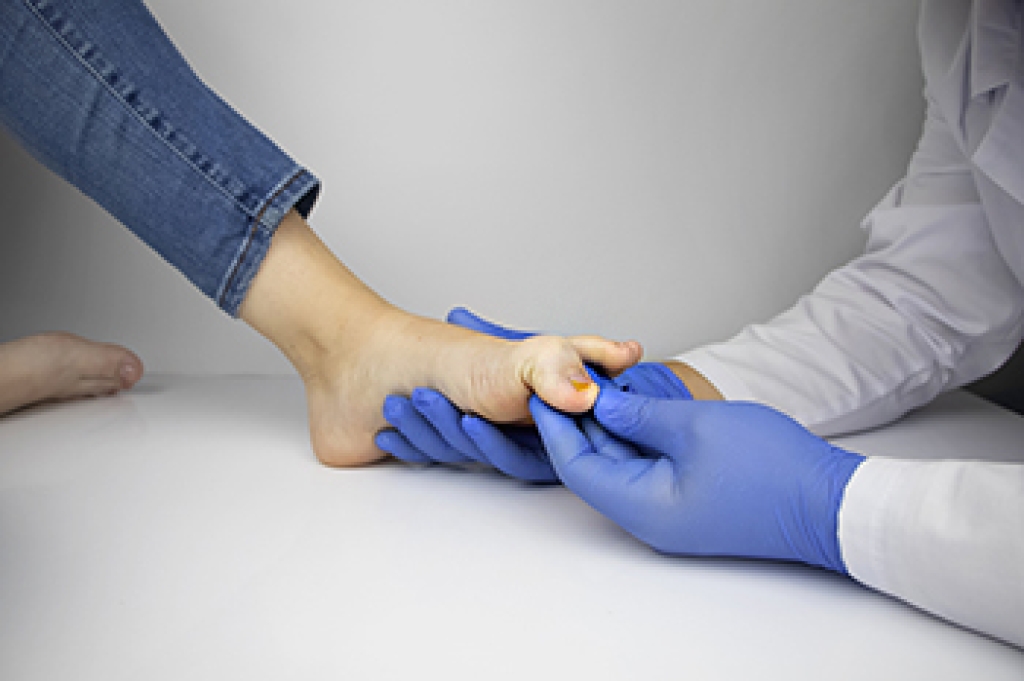
In many cases the cause of toe pain is obvious, but in others, a podiatrist may want to use more advanced methods to determine the problem. These can range from simple visual inspections and sensation tests to X-rays and MRI scans. Prior medical history, family medical history, and any recent physical traumatic events will all be taken into consideration for a proper diagnosis.
Treatment
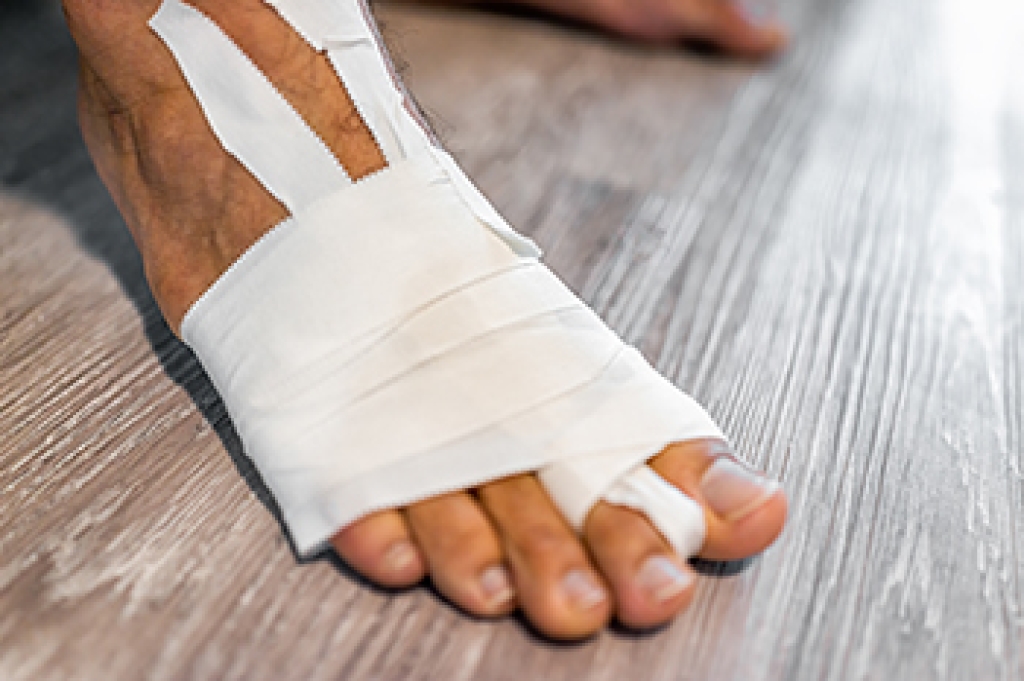
Treatments for toe pain and injuries vary and may include shoe inserts, padding, taping, medicines, injections, and in some cases, surgery. If you believe that you have broken a toe, please see a podiatrist as soon as possible.
If you have any questions please contact our offices located in Fair Lawn, Riverdale, and Englewood, NJ . We offer the newest diagnostic and treatment technologies for all your foot and ankle needs.