As of October 1, 2026 Dr Braver ONLY will be Out of Network with United Healthcare/Oxford. We will be accepting your Out of Network Benefits.

Orthotics for Better Running Performance

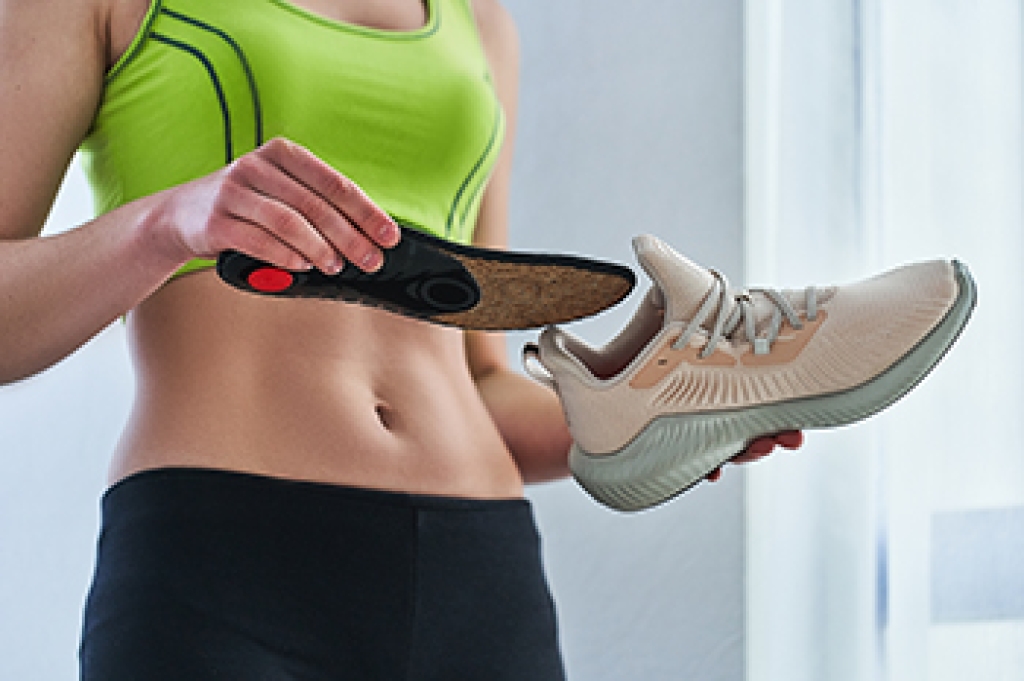
Running is a way to stay active, but repeated impact can place stress on the feet and ankles. Orthotics are devices designed to improve foot alignment and properly distribute pressure. Runners may consider orthotics when they experience discomfort or injuries. Symptoms include heel pain, arch soreness, or stiffness. Recognizing these signs early can help prevent a concern from becoming a longer-lasting injury.

Running-related foot injuries can develop when training increases too quickly or footwear does not provide appropriate support. Plantar fasciitis, Achilles tendon irritation, and shin discomfort are common. Risk factors include overtraining, poor foot mechanics, and running on hard surfaces. Flat feet or high arches may influence how force moves through the lower extremities. A previous injury can increase the chance of another problem.


Custom orthotics may help improve comfort, running speed, and injury prevention by supporting foot mechanics. They can help guide foot motion, reduce pressure, and improve stability. Better alignment may allow a runner to move more comfortably and use energy. A podiatrist reviews symptoms, training habits, and injury history. The feet and ankles are examined, gait is assessed, and pressure areas may be identified. If suitable, custom orthotics are designed around the runner’s needs.


Treatment starts with identifying the source of pain. A podiatrist may recommend activity changes, supportive orthotics, or protection for an injured area. Imaging tests may be ordered when a fracture or other injury is suspected. Follow-up visits allow the podiatrist to evaluate healing, adjust orthotics, and determine when running can safely increase. Runners should pay attention to persistent pain instead of pushing through it. If you enjoy running and want to learn how orthotics may improve comfort, speed, and injury prevention, it is suggested that you consult a podiatrist who can discuss the benefits of custom-made orthotics with you.

Custom orthotics can make a remarkable difference in daily comfort and mobility by supporting the feet in their most natural and balanced position. Because the feet form the foundation for the entire body, any imbalance can affect not only how a person walks, but also how the knees, hips, and spine align. Over time, this can lead to fatigue, pain, or reduced movement. Custom orthotics are designed to restore stability and promote proper alignment, which can transform the way a person feels and functions throughout the day.

People who wear custom orthotics often experience improved posture, less joint strain, and greater endurance during work, exercise, and leisure activities. The support they provide helps relieve chronic discomfort from conditions such as plantar fasciitis, flat feet, and heel pain, while also reducing the risk of future injuries. For those who stand for long hours or engage in sports, orthotics can make movement smoother and more efficient, allowing the body to perform at its best without unnecessary stress.

Each pair of custom orthotics is created after a detailed evaluation of foot structure, gait, and pressure distribution. By addressing each person’s unique needs, they offer comfort and confidence with every step.

If you are experiencing ongoing foot discomfort or fatigue, it is suggested that you contact our office for more information or to make an appointment.

If you have any questions, please feel free to contact our offices located in Fair Lawn, Riverdale, and Englewood, NJ . 
Read more about Sole Marketing Life Impact

Cuboid Syndrome and Foot Pain

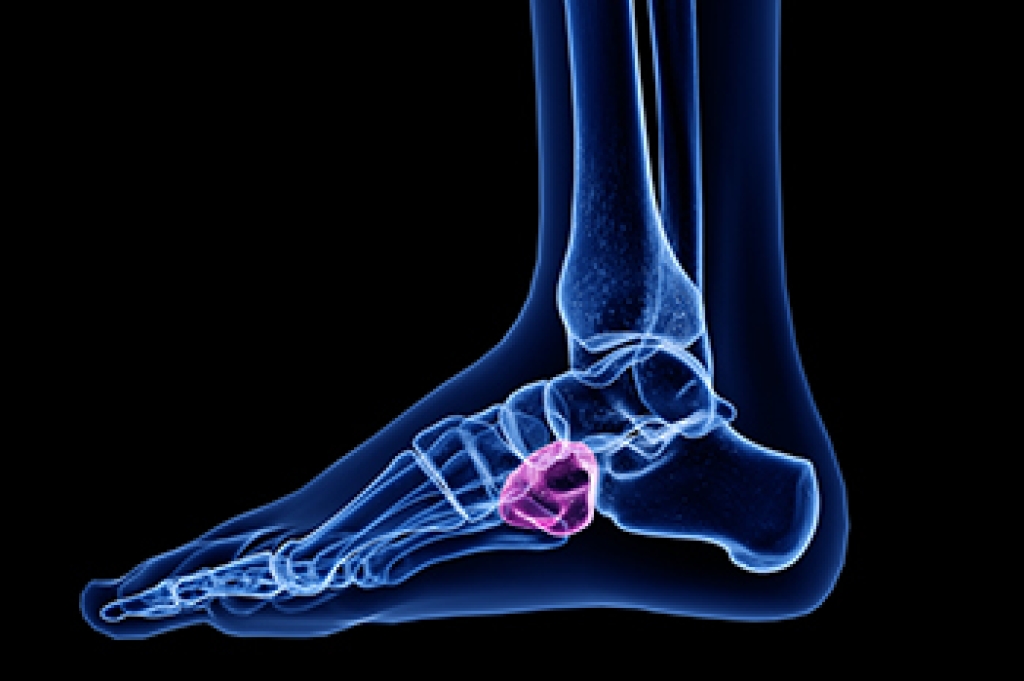
Cuboid syndrome develops when a small bone along the outside of the foot shifts slightly from its normal position, affecting nearby joints and supporting tissues. The cuboid bone sits between the heel and the bones leading toward the two smallest toes. It plays an important role in maintaining foot stability and transferring weight during walking or running. When the cuboid becomes irritated or misaligned, pain may develop along the outer edge of the foot. This discomfort is often called lateral foot pain. Cuboid syndrome frequently occurs after an ankle sprain, particularly when the foot twists inward suddenly. Repetitive movements during sports may also place excessive stress on the surrounding structures. Individuals with flat feet or abnormal walking patterns may face additional strain. Understanding these causes helps explain why cuboid syndrome sometimes develops gradually or follows an injury.


Symptoms of cuboid syndrome often include tenderness, swelling, and pain along the outside of the midfoot. Discomfort may spread toward the ankle or smaller toes, particularly during activities that place weight on the affected foot. Some individuals notice sharp pain when pushing off the ground, while others experience a persistent ache during walking. Limited foot movement may also develop, making normal activities uncomfortable. In certain cases, individuals begin limping to avoid placing pressure on the painful area. Cuboid syndrome may be difficult to identify because its symptoms resemble those of other foot injuries. Standard imaging tests do not always reveal the subtle changes associated with this problem. A careful examination helps distinguish cuboid syndrome from fractures and other causes of lateral foot pain. Persistent symptoms following an ankle sprain may indicate that additional foot structures are affected.


Podiatric care focuses on identifying the source of lateral foot pain and restoring comfortable movement. A podiatrist examines the affected foot, evaluates walking patterns, and checks for tenderness around the cuboid bone. This assessment helps determine whether joint misalignment or surrounding tissue irritation is contributing to symptoms. Depending on the findings, treatment may involve gentle manual manipulation to improve the position of the cuboid bone. Supportive taping or padding may also help stabilize the affected area. Custom orthotics may be recommended when abnormal foot mechanics contribute to repeated discomfort. Treatment plans depend on the severity of symptoms and underlying causes. If persistent outer foot pain is affecting your mobility, it is suggested that you consult a podiatrist for an evaluation and appropriate treatment options.

Cuboid syndrome, also known as cuboid subluxation, occurs when the joints and ligaments near the cuboid bone in the foot become torn. If you have cuboid syndrome, consult with one of our podiatrists from Active Foot and Ankle Care, LLC. Our doctors will assess your condition and provide you with quality foot and ankle treatment.

Cuboid syndrome is a common cause of lateral foot pain, which is pain on the outside of the foot. The condition may happen suddenly due to an ankle sprain, or it may develop slowly overtime from repetitive tension through the bone and surrounding structures.

Causes

The most common causes of cuboid syndrome include:

  • Injury – The most common cause of this ailment is an ankle sprain.
  • Repetitive Strain – Tension placed through the peroneus longus muscle from repetitive activities such as jumping and running may cause excessive traction on the bone causing it to sublux.
  • Altered Foot Biomechanics – Most people suffering from cuboid subluxation have flat feet.

Symptoms

A common symptom of cuboid syndrome is pain along the outside of the foot which can be felt in the ankle and toes. This pain may create walking difficulties and may cause those with the condition to walk with a limp.

Diagnosis

Diagnosis of cuboid syndrome is often difficult, and it is often misdiagnosed. X-rays, MRIs and CT scans often fail to properly show the cuboid subluxation. Although there isn’t a specific test used to diagnose cuboid syndrome, your podiatrist will usually check if pain is felt while pressing firmly on the cuboid bone of your foot.

Treatment

Just as the range of causes varies widely, so do treatments. Some more common treatments are ice therapy, rest, exercise, taping, and orthotics.

If you have any questions, please feel free to contact our offices located in Fair Lawn, Riverdale, and Englewood, NJ . We offer the newest diagnostic and treatment technologies for all your foot care needs.
Read more about Cuboid Syndrome

Symptoms and Causes of Achilles Tendinitis

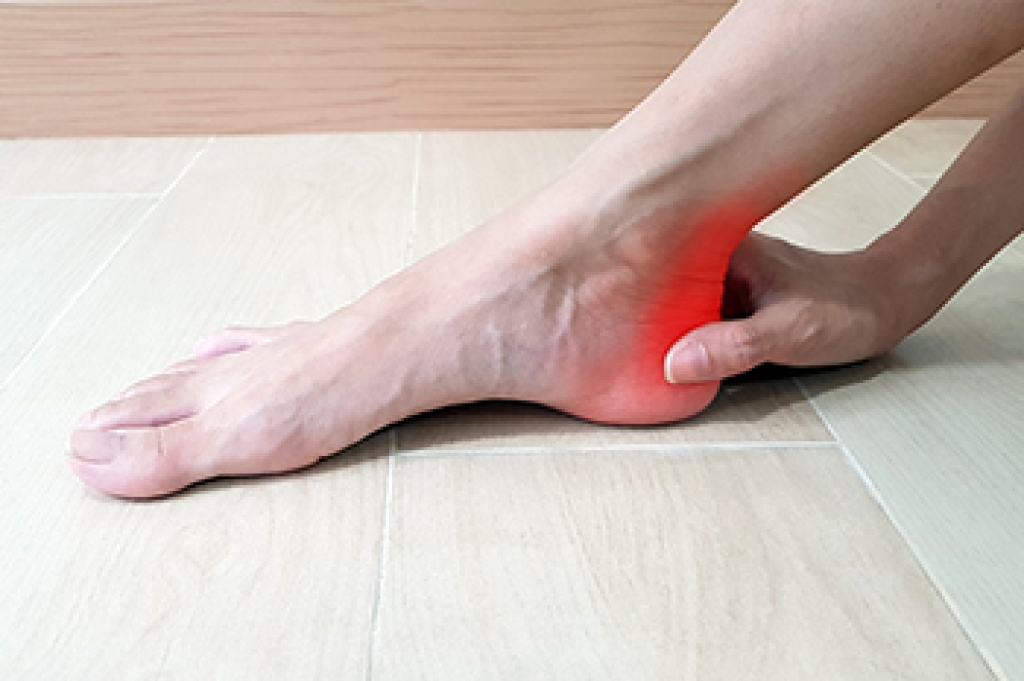
Pain at the back of the heel may signal irritation of the Achilles tendon, the strong band of tissue connecting the calf muscles to the heel bone. This tendon helps lift the heel with each step and supplies power for running and jumping. Achilles tendinitis develops when repeated strain causes inflammation in the tendon. A sudden increase in exercise, tight calf muscles, or shoes that lack proper support adds to stress on the tendon. Although runners frequently develop Achilles tendinitis, it also affects people who exercise occasionally. Pain usually develops gradually and becomes more noticeable after activity or with the first steps in the morning. 

The location of pain helps distinguish two forms of Achilles tendinitis. Insertional tendinitis affects the area where the tendon attaches to the heel bone. Noninsertional tendinitis affects the middle portion of the tendon, above the heel. Both forms may cause tenderness, swelling, and stiffness. The tendon might also become thicker, and bending the ankle may feel uncomfortable. Bone spurs sometimes develop near the tendon attachment and add irritation. A podiatrist examines the painful area and checks ankle movement. Reviewing activity patterns and evaluating foot structure helps identify contributing factors. Imaging tests provide additional information when the diagnosis remains unclear or a tear is suspected. 

Treatment focuses on reducing tendon strain and restoring comfortable movement. A podiatrist recommends shoes suited to the patient's foot structure and evaluates whether heel lifts or custom orthotics would reduce stress. A walking boot provides protection when symptoms are severe. For persistent problems, the podiatrist discusses additional treatment options and determines whether surgery is needed. Follow-up visits help track healing and guide a gradual return to activity. A sudden pop in the back of the heel with difficulty pushing off requires prompt attention. If you have symptoms of Achilles tendinitis, it is suggested that you schedule an appointment with a podiatrist for a diagnosis and appropriate treatment.

Achilles tendon injuries need immediate attention to avoid future complications. If you have any concerns, contact one of our podiatrists of Active Foot and Ankle Care, LLC. Our doctors can provide the care you need to keep you pain-free and on your feet.

What Is the Achilles Tendon?

The Achilles tendon is a tendon that connects the lower leg muscles and calf to the heel of the foot. It is the strongest tendon in the human body and is essential for making movement possible. Because this tendon is such an integral part of the body, any injuries to it can create immense difficulties and should immediately be presented to a doctor.

What Are the Symptoms of an Achilles Tendon Injury?

There are various types of injuries that can affect the Achilles tendon. The two most common injuries are Achilles tendinitis and ruptures of the tendon.

Achilles Tendinitis Symptoms

  • Inflammation
  • Dull to severe pain
  • Increased blood flow to the tendon
  • Thickening of the tendon

Rupture Symptoms

  • Extreme pain and swelling in the foot
  • Total immobility

Treatment and Prevention

Achilles tendon injuries are diagnosed by a thorough physical evaluation, which can include an MRI. Treatment involves rest, physical therapy, and in some cases, surgery. However, various preventative measures can be taken to avoid these injuries, such as:

  • Thorough stretching of the tendon before and after exercise
  • Strengthening exercises like calf raises, squats, leg curls, leg extensions, leg raises, lunges, and leg presses

If you have any questions please feel free to contact our offices located in Fair Lawn, Riverdale, and Englewood, NJ . We offer the newest diagnostic tools and technology to treat your foot and ankle needs.

Read more about What are Achilles Tendon Injuries

Blog Archives

Hackensack University Medical Center Logo American Podiatric Medical Association Logo American College of Foot and Ankle Surgeons Logo The Association of Extremity Nerve Surgeons Logo American Academy of Podiatric Sports Medicine Logo Atlas Foot Alignment Institute Logo
Advanced Podiatric Procedures & Services in the Bergen County, NJ: Fair Lawn (Ridgewood, Glen Rock, Woodcliff Lake, Hillsdale, Westwood, Closter, Wyckoff, Ramsey, Oakland) and Englewood (Hackensack, Paramus, Tenafly, Closter, Northvale, East Rutherford); Morris County, NJ: Riverdale (Butler, Kinnelon, Montville, Boonton, Pequannock Township, Lincoln Park) as well as Passaic County, NJ (Hawthorne, Paterson, Clifton, Totowa, Pompton Lakes, Wanaque, Wayne, Macopin, Ringwood) and Hudson County, NJ (Secaucus, North Bergen) areas