Risk Factors for Stress Fractures

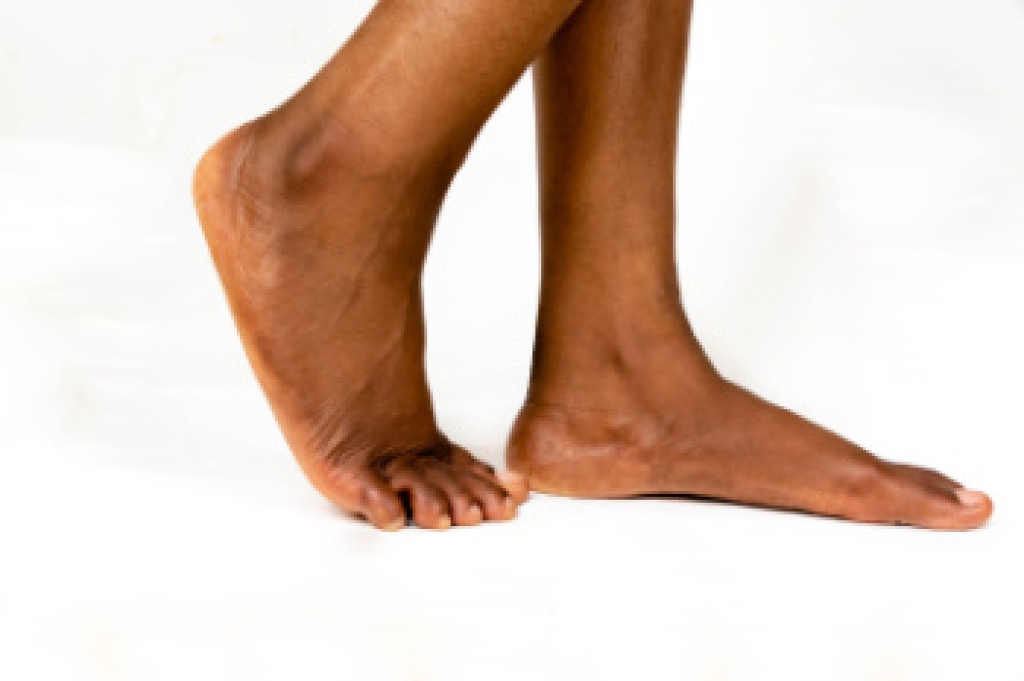
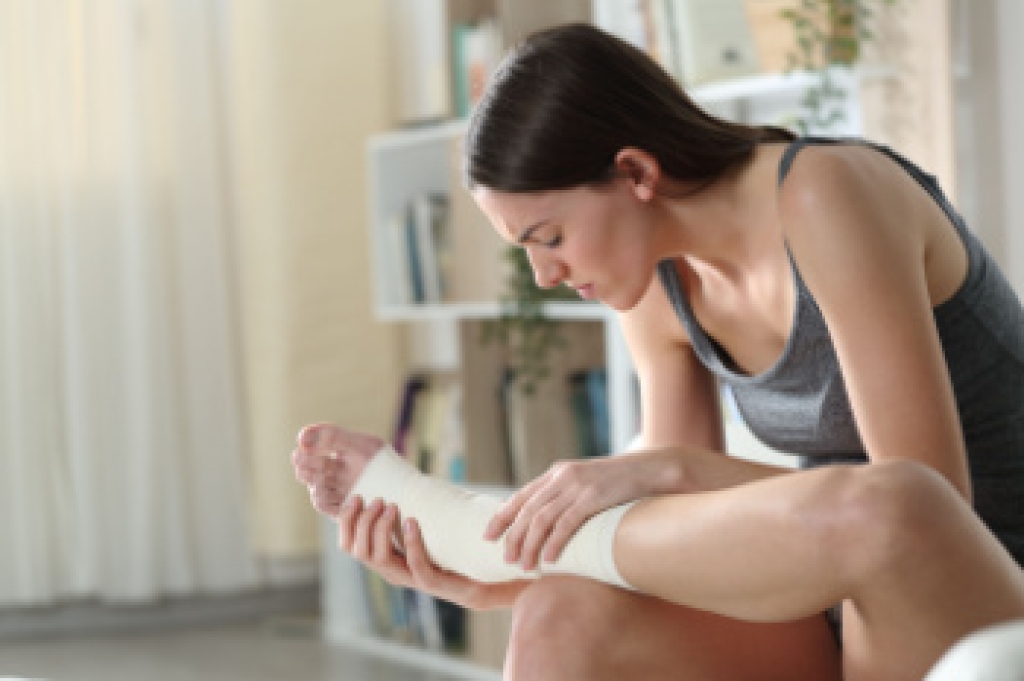
Foot stress fractures are hairline cracks in the bones often caused by repetitive strain. Several risk factors can increase the likelihood of developing stress fractures, especially in the feet. People who participate in high-impact activities, such as running, dancing, or gymnastics, face a higher risk of stress fractures from the repeated pressure and pounding on their feet. Women, particularly those experiencing menstrual irregularities, may be more prone to fractures due to lower bone density. Conditions like osteoporosis or insufficient intake of vitamin D and calcium can further weaken bones and increase the risk. Foot structure issues, such as high arches or flat feet, can also lead to stress fractures, as well as wearing poor footwear or sudden changes in activity surfaces. Podiatrists play a key role in diagnosing and managing foot stress fractures. This foot doctor may use imaging techniques such as MRI scans to confirm the injury. If you have foot pain that may indicate a stress fracture, it is suggested that you schedule an appointment with a podiatrist for an exam and treatment.

Activities where too much pressure is put on the feet can cause stress fractures. To learn more, contact one of our podiatrists from Active Foot and Ankle Care, LLC. Our doctors can provide the care you need to keep your pain free and on your feet.

Dealing with Stress Fractures of the Foot and Ankle

Stress fractures occur in the foot and ankle when muscles in these areas weaken from too much or too little use.  The feet and ankles then lose support when walking or running from the impact of the ground. Since there is no protection, the bones receive the full impact of each step. Stress on the feet can cause cracks to form in the bones, thus creating stress fractures.

What Are Stress Fractures?

Stress fractures occur frequently in individuals whose daily activities cause great impact on the feet and ankles. Stress factors are most common among:

  • Runners                                
  • People affected with Osteoporosis
  • Tennis or basketball players
  • Gymnasts
  • High impact workouts

Symptoms

Pain from the fractures occur in the area of the fractures and can be constant or intermittent. It will often cause sharp or dull pain with swelling and tenderness. Engaging in any kind of activity which involves high impact will aggravate pain.

If you have any questions please contact our offices located in Fair Lawn, Riverdale, and Englewood, NJ . We offer the newest diagnostic and treatment technologies for all your foot and ankle needs.

Read more about Dealing with Stress Fractures of the Foot and Ankle

Plantar Warts Can Be Treated!

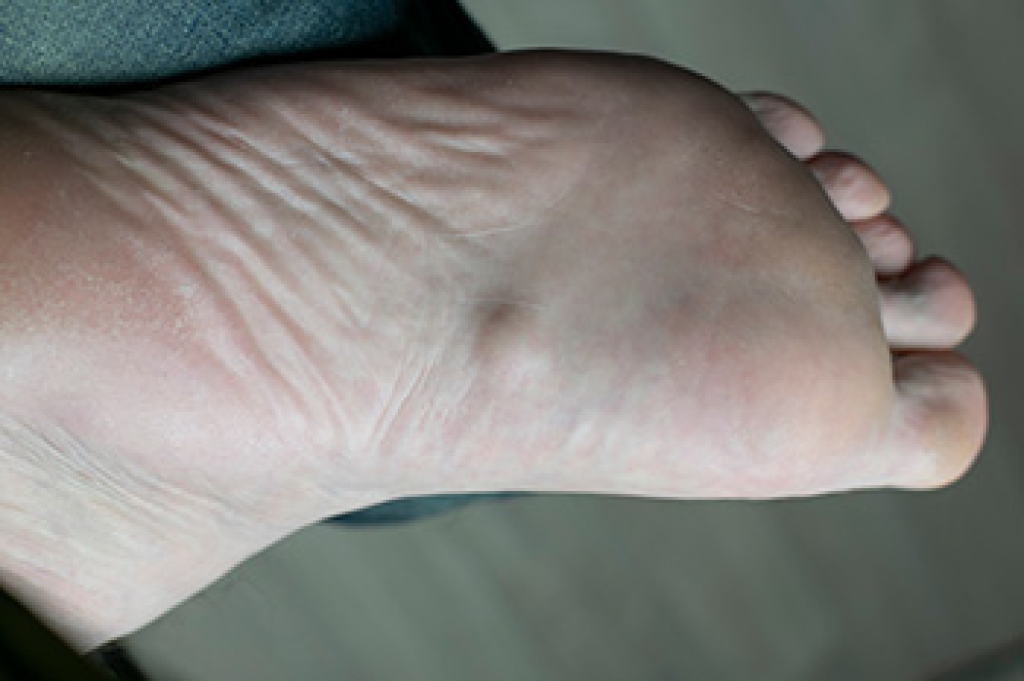
Plantar warts are small growths that develop on parts of the feet that bear weight. They're typically found on the bottom of the foot. Don't live with plantar warts, and call us today!

Managing Plantar Fasciitis

Plantar fasciitis is a frequent cause of heel pain that affects the thick band of tissue, known as the plantar fascia, which runs along the bottom of the foot. Pain is usually most noticeable during the first few steps after waking or after long periods of inactivity, but can also worsen with prolonged standing or walking. Discomfort occurs from microtears at the point where the plantar fascia connects to the heel bone, triggering inflammation. Risk factors for plantar fasciitis include excessive standing, increased body weight, aging, a sudden change in activity level, or tight calf muscles. A podiatrist can help by assessing your foot mechanics, recommending specific stretches for the calf and plantar fascia, and suggesting modifications in footwear and activity levels to reduce stress on the affected area. In most cases, non-surgical treatment is effective in relieving symptoms and improving function. If you have heel pain that may be caused by plantar fasciitis, it is suggested that you schedule an appointment with a podiatrist.

Plantar fasciitis is a common foot condition that is often caused by a strain injury. If you are experiencing heel pain or symptoms of plantar fasciitis, contact one of our podiatrists from Active Foot and Ankle Care, LLC. Our doctors can provide the care you need to keep you pain-free and on your feet.

What Is Plantar Fasciitis?

Plantar fasciitis is one of the most common causes of heel pain. The plantar fascia is a ligament that connects your heel to the front of your foot. When this ligament becomes inflamed, plantar fasciitis is the result. If you have plantar fasciitis you will have a stabbing pain that usually occurs with your first steps in the morning. As the day progresses and you walk around more, this pain will start to disappear, but it will return after long periods of standing or sitting.

What Causes Plantar Fasciitis?

  • Excessive running
  • Having high arches in your feet
  • Other foot issues such as flat feet
  • Pregnancy (due to the sudden weight gain)
  • Being on your feet very often

There are some risk factors that may make you more likely to develop plantar fasciitis compared to others. The condition most commonly affects adults between the ages of 40 and 60. It also tends to affect people who are obese because the extra pounds result in extra stress being placed on the plantar fascia.

Prevention

  • Take good care of your feet – Wear shoes that have good arch support and heel cushioning.
  • Maintain a healthy weight
  • If you are a runner, alternate running with other sports that won’t cause heel pain

There are a variety of treatment options available for plantar fasciitis along with the pain that accompanies it. Additionally, physical therapy is a very important component in the treatment process. It is important that you meet with your podiatrist to determine which treatment option is best for you.

If you have any questions, please feel free to contact our offices located in Fair Lawn, Riverdale, and Englewood, NJ . We offer the newest diagnostic and treatment technologies for all your foot care needs.


Read more about Plantar Fasciitis

Risks of Falling Outside the Home

Falling outside the home can pose a significant risk, especially for older adults. Falls outside the home can be caused by uneven terrain, slippery surfaces, or crowded areas. Parks, parking lots, and public staircases are common spots where falls may occur, leading to serious injuries like broken bones. Footwear choices play a vital role in preventing falls. Your shoes should offer solid support, fit properly, and have non-slip soles to provide stability. Balance issues, lower extremity weakness, or joint pain can also increase the risk of falls outside the home. A podiatrist can assess these factors, recommend supportive footwear, and suggest custom orthotics to improve balance. This foot doctor can address underlying foot conditions that might compromise your stability or suggest exercises and assistive devices to improve balance. If you have injured your foot or ankle from falling, it is suggested that you schedule an appointment with a podiatrist for appropriate treatment methods.

Preventing falls among the elderly is very important. If you are older and have fallen or fear that you are prone to falling, consult with one of our podiatrists from Active Foot and Ankle Care, LLC. Our doctors will assess your condition and provide you with quality advice and care.

Every 11 seconds, an elderly American is being treated in an emergency room for a fall related injury. Falls are the leading cause of head and hip injuries for those 65 and older. Due to decreases in strength, balance, senses, and lack of awareness, elderly persons are very susceptible to falling. Thankfully, there are a number of things older persons can do to prevent falls.

How to Prevent Falls

Some effective methods that older persons can do to prevent falls include:

  • Enrolling in strength and balance exercise program to increase balance and strength
  • Periodically having your sight and hearing checked
  • Discuss any medications you have with a doctor to see if it increases the risk of falling
  • Clearing the house of falling hazards and installing devices like grab bars and railings
  • Utilizing a walker or cane
  • Wearing shoes that provide good support and cushioning
  • Talking to family members about falling and increasing awareness

Falling can be a traumatic and embarrassing experience for elderly persons; this can make them less willing to leave the house, and less willing to talk to someone about their fears of falling. Doing such things, however, will increase the likelihood of tripping or losing one’s balance. Knowing the causes of falling and how to prevent them is the best way to mitigate the risk of serious injury.  

If you have any questions, please feel free to contact our offices located in Fair Lawn, Riverdale, and Englewood, NJ . We offer the newest diagnostic and treatment technologies for all your foot care needs.

Read more about Falls Prevention

Custom Orthotics and Plantar Fasciitis

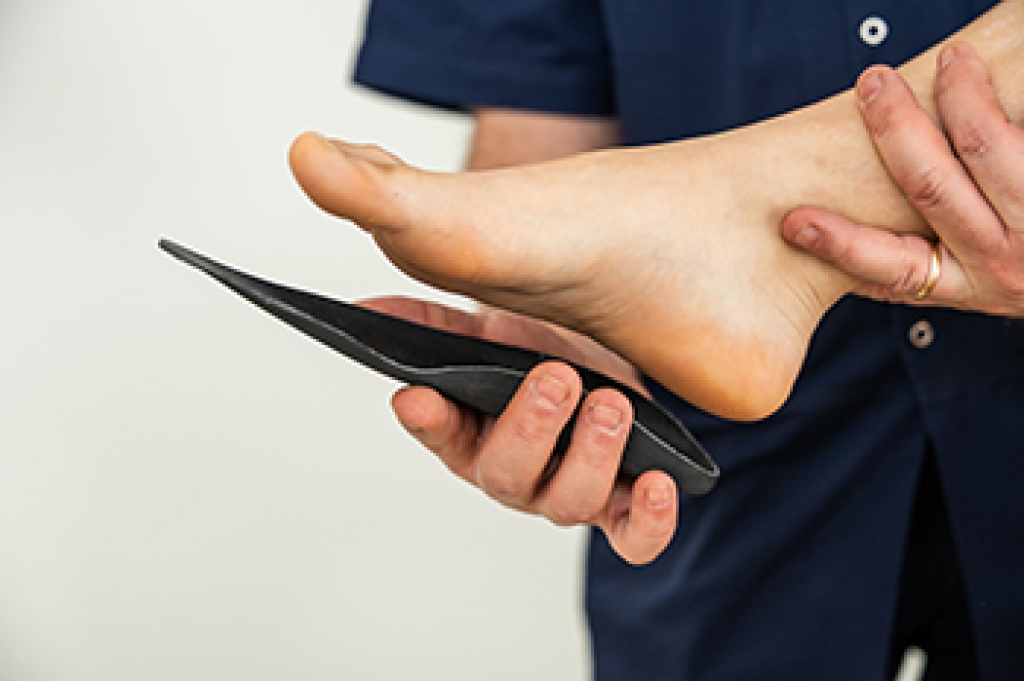
When treating plantar fasciitis, custom orthotics offer a personalized approach that targets the specific needs of the patient. They provide support to the arch and cushioning the heel to alleviate pain. Unlike over-the-counter inserts, custom orthotics are designed based on the individual’s foot structure and gait to ensure a more precise fit and long-term relief. Other treatments for plantar fasciitis include stretching exercises and anti-inflammatory medications. These methods focus on reducing inflammation and strengthening the muscles around the foot but may not address underlying biomechanical issues. In severe cases, corticosteroid injections or surgery may be recommended, though these options come with potential risks. Custom orthotics, by contrast, are non-invasive and aim to correct abnormal foot mechanics, often preventing the condition from worsening. It is suggested that you consult a podiatrist who can help to determine the best combination of treatments for effective pain relief and long-term recovery.

Custom orthotics are specialized shoe inserts created to support and align the feet according to each person’s unique structure and walking pattern. They are an effective way to relieve foot discomfort caused by conditions such as flat feet, high arches, plantar fasciitis, bunions, and heel pain. When the natural alignment of the foot is off balance, it can lead to pressure points, strain, and pain that affect how a person stands, walks, and moves. Orthotics work by redistributing weight evenly and supporting the arch to reduce stress on the muscles, tendons, and joints of the feet and lower legs.

Foot discomfort can develop for many reasons, including wearing improper footwear, long hours of standing, repetitive motion, or underlying structural problems. Over time, this discomfort can extend beyond the feet, contributing to knee, hip, or lower back pain. Custom orthotics help correct these issues by improving alignment and promoting more efficient movement. They are made using precise measurements and imaging to ensure the best fit for each patient, providing targeted support and cushioning where it is needed most.

Unlike generic insoles, custom orthotics are durable, medically designed, and tailored to your specific needs. Whether you are managing chronic pain, recovering from an injury, or simply seeking better comfort and stability, orthotics can make a noticeable difference in how your feet feel throughout the day.

If you are experiencing persistent foot discomfort or fatigue, it may be time to have your feet evaluated by a podiatrist. Call our office today for more information or to schedule an appointment.

If you have any questions, please feel free to contact our offices located in Fair Lawn, Riverdale, and Englewood, NJ

Read more about Investing in Custom Orthotics Means Investing in Foot Health
Hackensack University Medical Center Logo American Podiatric Medical Association Logo American College of Foot and Ankle Surgeons Logo The Association of Extremity Nerve Surgeons Logo American Academy of Podiatric Sports Medicine Logo Atlas Foot Alignment Institute Logo
Advanced Podiatric Procedures & Services in the Bergen County, NJ: Fair Lawn (Ridgewood, Glen Rock, Woodcliff Lake, Hillsdale, Westwood, Closter, Wyckoff, Ramsey, Oakland) and Englewood (Hackensack, Paramus, Tenafly, Closter, Northvale, East Rutherford); Morris County, NJ: Riverdale (Butler, Kinnelon, Montville, Boonton, Pequannock Township, Lincoln Park) as well as Passaic County, NJ (Hawthorne, Paterson, Clifton, Totowa, Pompton Lakes, Wanaque, Wayne, Macopin, Ringwood) and Hudson County, NJ (Secaucus, North Bergen) areas