Causes and Symptoms of Hammertoe

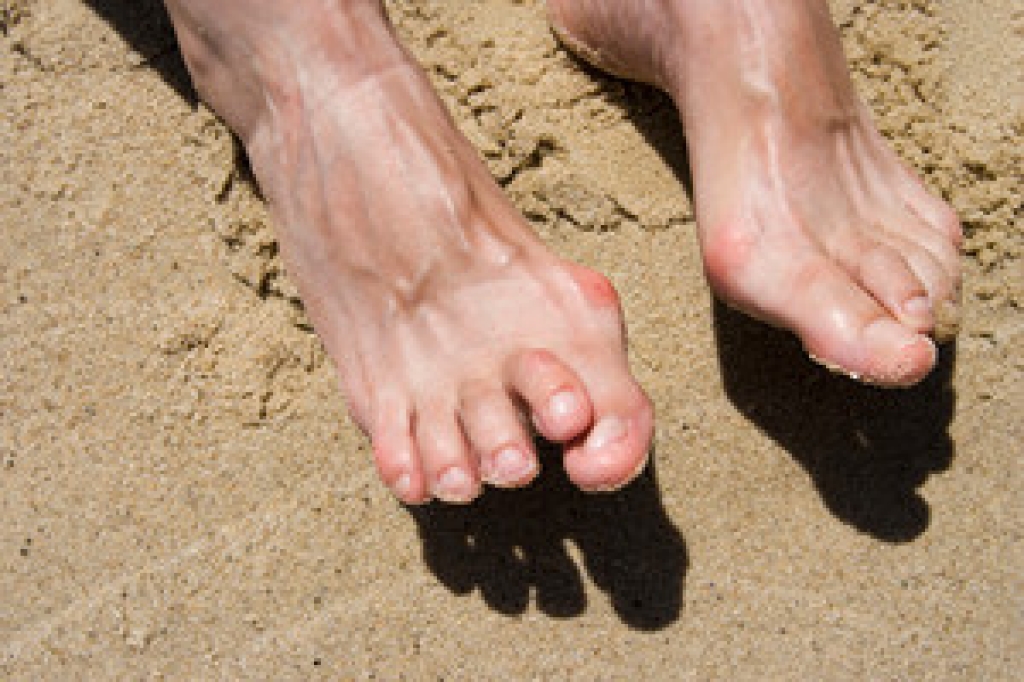
Hammertoe is a foot deformity where one or more toes become permanently bent at the middle joint, resembling a hammer. This condition is often caused by muscle imbalance, wearing tight or ill-fitting shoes, or injury. Risk factors include genetics, arthritis, and high arches. Symptoms may include pain, corns or calluses on the toe, difficulty walking, and swelling. If left untreated, hammertoe can become rigid and more painful. A podiatrist can diagnose hammertoe through physical examination and recommend treatments such as custom orthotics, shoe modifications, or surgery if necessary. If you experience toe discomfort or notice deformities, it is suggested that you consult a podiatrist who can accurately diagnose hammertoe, and offer appropriate treatment solutions. 

Hammertoe

Hammertoes can be a painful condition to live with. For more information, contact one of our podiatrists from Active Foot and Ankle Care, LLC. Our doctors will answer any of your foot- and ankle-related questions.

Hammertoe is a foot deformity that affects the joints of the second, third, fourth, or fifth toes of your feet. It is a painful foot condition in which these toes curl and arch up, which can often lead to pain when wearing footwear.

Symptoms

  • Pain in the affected toes
  • Development of corns or calluses due to friction
  • Inflammation
  • Redness
  • Contracture of the toes

Causes

Genetics – People who are genetically predisposed to hammertoe are often more susceptible

Arthritis – Because arthritis affects the joints in your toes, further deformities stemming from arthritis can occur

Trauma – Direct trauma to the toes could potentially lead to hammertoe

Ill-fitting shoes – Undue pressure on the front of the toes from ill-fitting shoes can potentially lead to the development of hammertoe

Treatment

Orthotics – Custom made inserts can be used to help relieve pressure placed on the toes and therefore relieve some of the pain associated with it

Medications – Oral medications such as anti-inflammatories or NSAIDs could be used to treat the pain and inflammation hammertoes causes. Injections of corticosteroids are also sometimes used

Surgery – In more severe cases where the hammertoes have become more rigid, foot surgery is a potential option

If you have any questions, please feel free to contact our offices located in Fair Lawn, Riverdale, and Englewood, NJ . We offer the newest diagnostic and treatment technologies for all your foot care needs.
Read more about Hammertoe

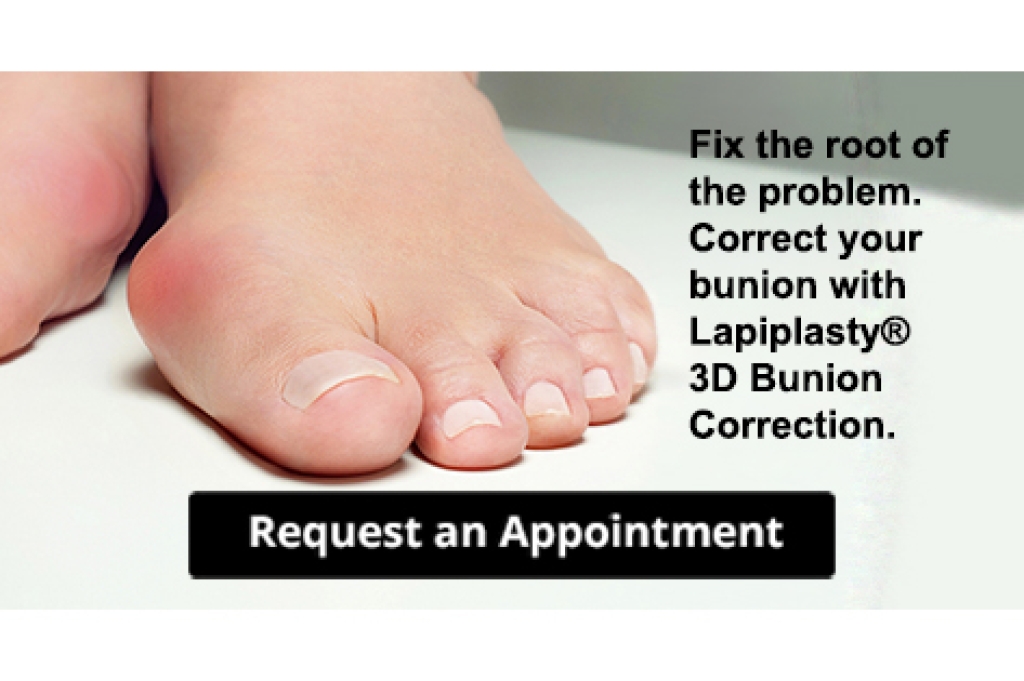
Painful Bunions? There's a New Treatment Option in Lapiplasty®

Tired of your bunion? Do more than just remove "the bump" — address your bunion in three dimensions to correct the root of the problem. Consider Lapiplasty® 3D Bunion Correction. Using advanced fixation technology to secure the correction in place, patients can walk within days of surgery.

Understanding Diabetic Foot Ulcers

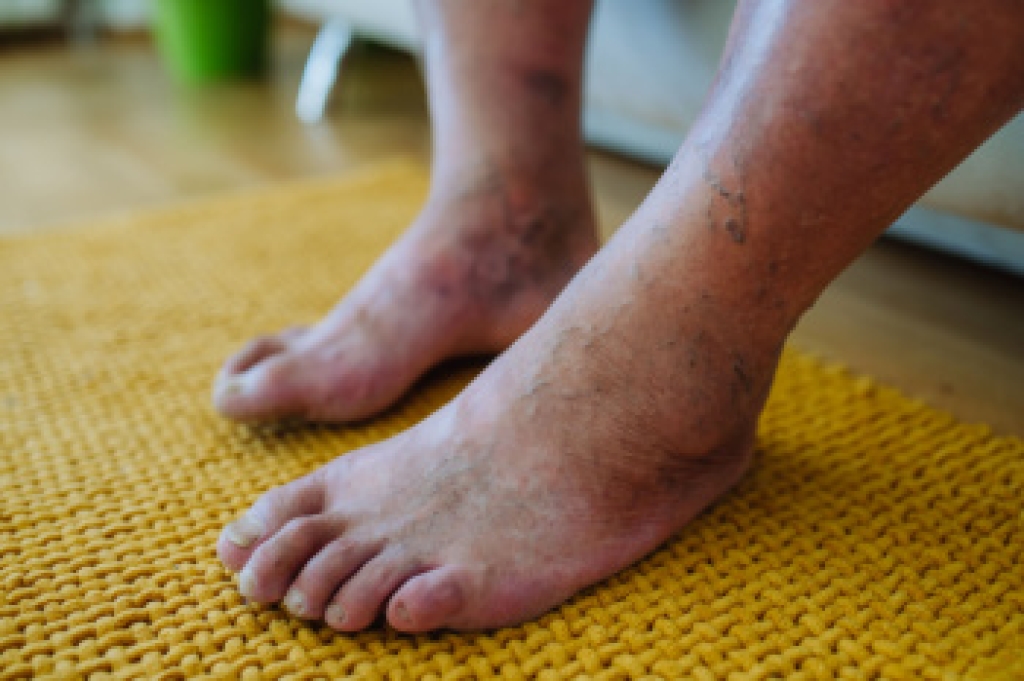
Diabetic foot ulcers are open sores or wounds that commonly develop on the bottom of the foot in people with diabetes. Poor circulation and nerve damage reduce the body’s ability to heal and feel pain, which means even small injuries can turn into serious ulcers without notice. These ulcers may appear as red, swollen, or draining wounds, and often do not cause pain, making them easy to overlook. A podiatrist plays a vital role in treating and preventing diabetic foot ulcers. Treatment may include cleaning the wound, removing dead tissue called debridement, applying special dressings, and using custom footwear or orthotics to relieve pressure. In advanced cases, infection control and even surgery may be necessary. Diabetic foot ulcers precede 85 percent of diabetes-related limb losses, making early detection and treatment critical. If you have diabetes and are experiencing foot problems, it is suggested that you are under the care of a podiatrist who can help you to manage this serious condition.

Diabetic foot care is important in preventing foot ailments such as ulcers. If you are suffering from diabetes or have any other concerns about your feet, contact one of our podiatrists from Active Foot and Ankle Care, LLC. Our doctors can provide the care you need to keep you pain-free and on your feet.

Diabetic Foot Care

Diabetes affects millions of people every year. The condition can damage blood vessels in many parts of the body, especially the feet. Because of this, taking care of your feet is essential if you have diabetes, and having a podiatrist help monitor your foot health is highly recommended.

The Importance of Caring for Your Feet

  • Routinely inspect your feet for bruises or sores.
  • Wear socks that fit your feet comfortably.
  • Wear comfortable shoes that provide adequate support.

Patients with diabetes should have their doctor monitor their blood levels, as blood sugar levels play such a huge role in diabetic care. Monitoring these levels on a regular basis is highly advised.

It is always best to inform your healthcare professional of any concerns you may have regarding your feet, especially for diabetic patients. Early treatment and routine foot examinations are keys to maintaining proper health, especially because severe complications can arise if proper treatment is not applied.

If you have any questions, please feel free to contact our offices located in Fair Lawn, Riverdale, and Englewood, NJ . We offer the newest diagnostic and treatment technologies for all your foot care needs.
Read more about Diabetic Foot Conditions

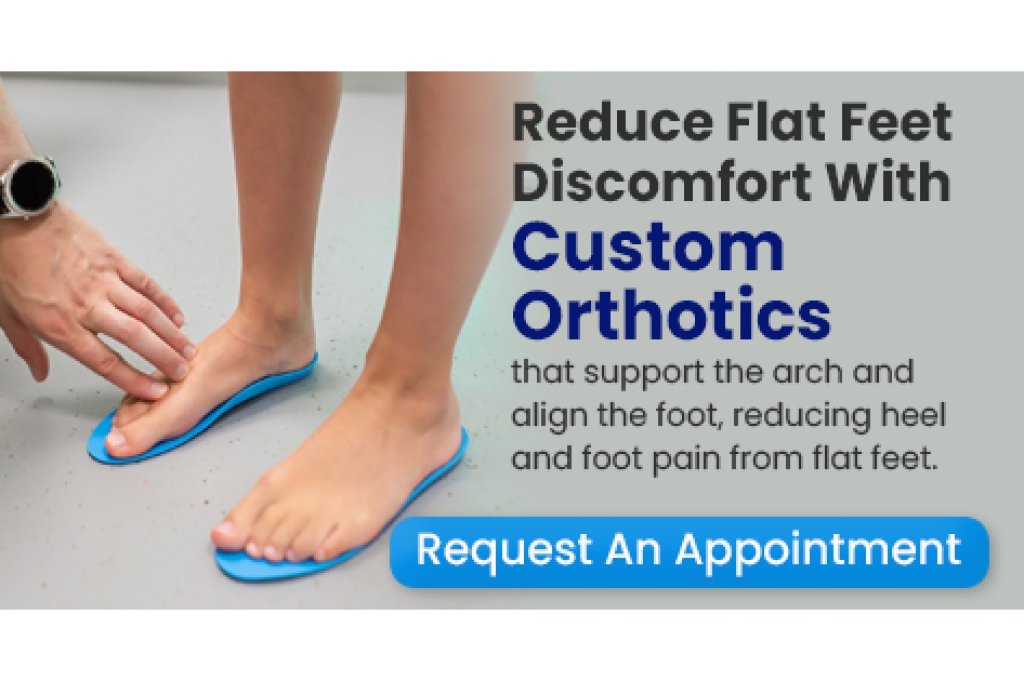
Reduce Flat Feet Discomfort With Custom Orthotics

Flat feet? Rise above the discomfort with Custom Orthotics. Specifically designed to support the arch and align the foot, Custom Orthotics can be a game-changer for those with flat feet. They help in distributing weight evenly, preventing undue stress and potential pain. Walk, run, or stand with newfound confidence, knowing your feet have the support they've been missing. Want to explore the benefits of Custom Orthotics tailored for flat feet? Contact us today!

Possible Causes of Toenail Loss

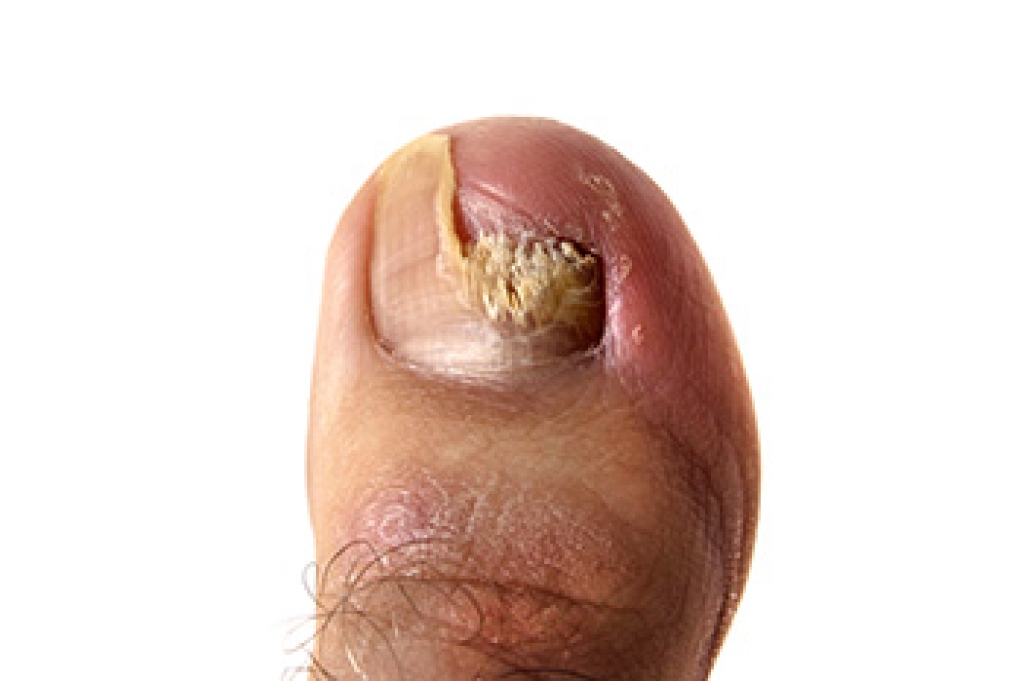
Toenail loss can happen for several reasons, and is often painful. Injuries from stubbing the toe or dropping something on it are common causes. Fungal infections may also damage the nail and make it loosen over time. Runners are at risk of toenail loss caused by repeated impact against the inside of the shoe, especially during long distances or downhill strides. Some people may develop a bony growth under the nail, called a subungual exostosis, which puts pressure on the nail until it detaches. Illness, certain medications, or poor circulation may also cause nail loss. If a toenail falls off, a new nail must grow, which can take several months to a year. If part of the nail is still attached, do not pull it off. That can lead to infection or injury. A podiatrist can examine the toe, remove a damaged nail safely, and guide proper regrowth. If your toenail falls off, it is suggested that you promptly schedule an appointment with a podiatrist for appropriate treatment.

For more information about treatment, contact one of our podiatrists of Active Foot and Ankle Care, LLC. Our doctors can provide the care you need to keep you pain-free and on your feet.

Toenail Fungus Treatment

Toenail fungus is a condition that affects many people and can be especially hard to get rid of. Fortunately, there are several methods to go about treating and avoiding it.

Antifungals & Deterrence

Oral antifungal medicine has been shown to be effective in many cases. It is important to consult with a podiatrist to determine the proper regiment for you, or potentially explore other options.

Applying foot powder on the feet and shoes helps keep the feet free of moisture and sweat.

Sandals or open toed shoes – Wearing these will allow air movement and help keep feet dry. They also expose your feet to light, which fungus cannot tolerate. Socks with moisture wicking material also help as well.

If you have any questions please contact our offices located in Fair Lawn, Riverdale, and Englewood, NJ . We offer the newest diagnostic and treatment technologies for all your foot and ankle needs.

Read more about Treating Toenail Fungus
Hackensack University Medical Center Logo American Podiatric Medical Association Logo American College of Foot and Ankle Surgeons Logo The Association of Extremity Nerve Surgeons Logo American Academy of Podiatric Sports Medicine Logo Atlas Foot Alignment Institute Logo
Advanced Podiatric Procedures & Services in the Bergen County, NJ: Fair Lawn (Ridgewood, Glen Rock, Woodcliff Lake, Hillsdale, Westwood, Closter, Wyckoff, Ramsey, Oakland) and Englewood (Hackensack, Paramus, Tenafly, Closter, Northvale, East Rutherford); Morris County, NJ: Riverdale (Butler, Kinnelon, Montville, Boonton, Pequannock Township, Lincoln Park) as well as Passaic County, NJ (Hawthorne, Paterson, Clifton, Totowa, Pompton Lakes, Wanaque, Wayne, Macopin, Ringwood) and Hudson County, NJ (Secaucus, North Bergen) areas