As of October 1, 2026 Dr Braver ONLY will be Out of Network with United Healthcare/Oxford. We will be accepting your Out of Network Benefits.

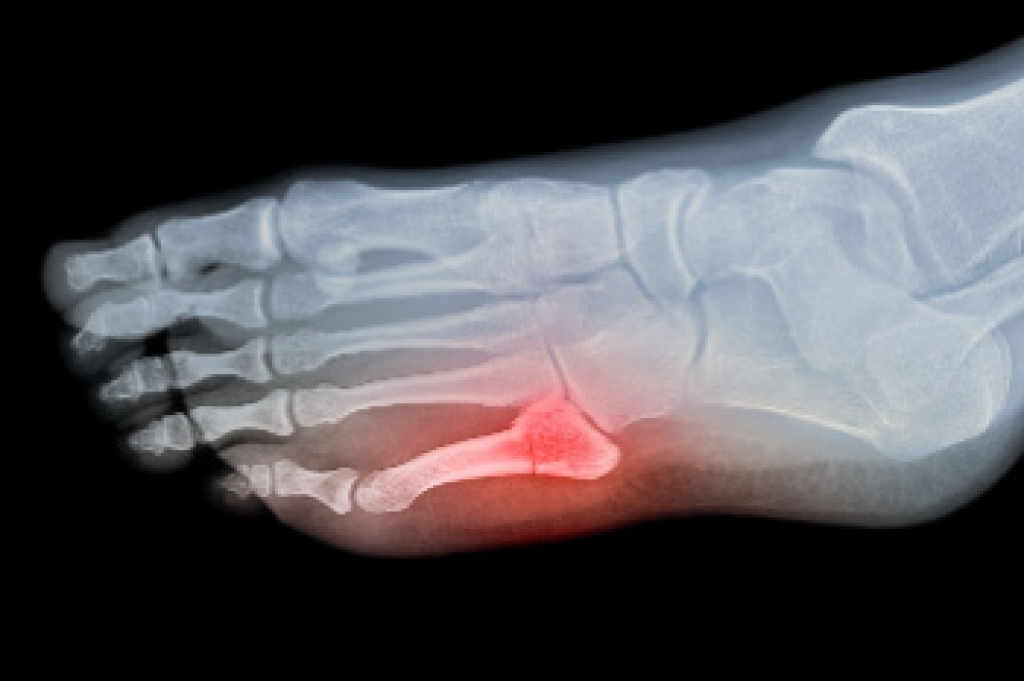
How Podiatrists Treat a Broken 5th Metatarsal

A broken fifth metatarsal affects the bone along the outer edge of the foot. This bone connects the smallest toe to the middle of the foot. A break can follow a sudden twist, landing, or fall. Repeated stress from running or jumping can also cause a small crack. Symptoms include pain, swelling, and bruising near the outside of the foot. Patients may struggle to put weight on the injured foot. Because a sprain can feel similar, an accurate diagnosis is important.

Several types of fractures can affect the fifth metatarsal, and the location of the break influences treatment and healing. A break near the base of the bone can occur when a tendon or ligament pulls off a small piece of bone. This is called an avulsion fracture. A Jones fracture occurs slightly farther along the bone, in an area with limited blood flow. For this reason, a Jones fracture can be slower to heal. A stress fracture usually starts as a tiny crack caused by repeated force. A podiatrist examines the foot, asks how the injury happened, and checks where it hurts. X-rays usually show the break. Additional imaging tests can help when an early stress fracture does not appear clearly.

Treatment aims to hold the bone steady and protect it while it heals. Your podiatrist may prescribe a boot, cast, or crutches based on the type of break. The doctor will also explain how much weight you can place on the foot and when activity can safely increase. Follow-up X-rays help show whether the bone is joining correctly. Surgery may be needed when the bone pieces have shifted, the fracture is not healing, or the patient is extremely active. A podiatrist can also guide the safe return to work, exercise, and sports. If you have injured the outside of your foot, it is suggested that you schedule an appointment with a podiatrist for a diagnosis and appropriate treatment.

A broken foot requires immediate medical attention and treatment. If you need your feet checked, contact one of our podiatrists from Active Foot and Ankle Care, LLC. Our doctors can provide the care you need to keep you pain-free and on your feet.

Broken Foot Causes, Symptoms, and Treatment

A broken foot is caused by one of the bones in the foot typically breaking when bended, crushed, or stretched beyond its natural capabilities. Usually the location of the fracture indicates how the break occurred, whether it was through an object, fall, or any other type of injury. 

Common Symptoms of Broken Feet:

  • Bruising
  • Pain
  • Redness
  • Swelling
  • Blue in color
  • Numbness
  • Cold
  • Misshapen
  • Cuts
  • Deformities

Those that suspect they have a broken foot shoot seek urgent medical attention where a medical professional could diagnose the severity.

Treatment for broken bones varies depending on the cause, severity and location. Some will require the use of splints, casts or crutches while others could even involve surgery to repair the broken bones. Personal care includes the use of ice and keeping the foot stabilized and elevated.

If you have any questions, please feel free to contact our offices located in Fair Lawn, Riverdale, and Englewood, NJ . We offer the newest diagnostic and treatment technologies for all your foot care needs.
Read more about Causes, Symptoms, and Treatment for a Broken Foot

Foot Problems Linked to Peripheral Artery Disease

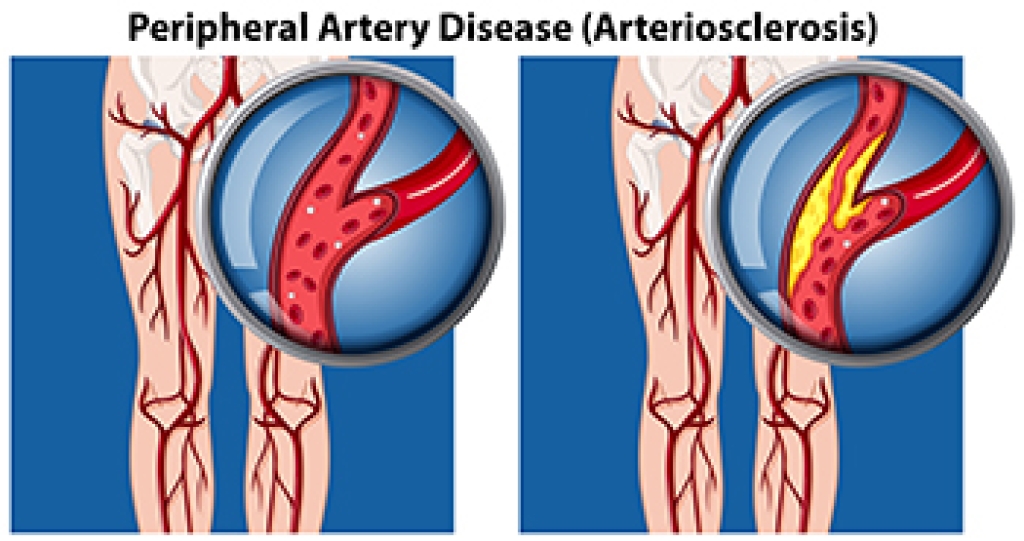
Peripheral artery disease, or PAD, develops when narrowed arteries reduce blood flow to the legs and feet. Fatty deposits inside these blood vessels are usually responsible for this narrowing. Without enough oxygen-rich blood, the feet may become painful and slow to heal. Signs include cramping in the calves when walking, cold feet, and a weak pulse in the lower legs. The skin may look pale, shiny, or bluish. Toenails can grow slowly, and hair on the feet or legs may decrease. As the condition advances, some patients also develop numbness or pain while resting.

Several factors raise the risk of developing PAD. Smoking, diabetes, and high blood pressure are major concerns. High cholesterol and older age can also increase risk. Because reduced circulation limits healing, a small blister or cut can become a serious wound. An untreated wound may develop an infection, tissue damage, or limb loss. People with diabetes face added danger because nerve damage can make an injury difficult to feel. Changes should not be ignored, even when they seem minor. A sore that does not heal, a change in skin color, or sudden foot pain requires prompt medical attention.

A podiatrist can examine the feet for circulation problems and check the skin, nails, and pulse. The examination can also identify wounds that require careful treatment. Tests that compare blood pressure at the ankle and arm can help measure blood flow. A podiatrist can clean and protect wounds, remove damaged tissue, and reduce pressure on sore areas. Regular foot examinations can help detect problems before they become severe. A medical team approach can help manage PAD and protect foot health. In severe cases, procedures or surgery may be considered to improve circulation. If you have symptoms of peripheral artery disease, it is suggested that you schedule an appointment with a podiatrist for a diagnosis and appropriate treatment.

Peripheral artery disease can pose a serious risk to your health. It can increase the risk of stroke and heart attack. If you have symptoms of peripheral artery disease, consult with one of our podiatrists from Active Foot and Ankle Care, LLC. Our doctors will assess your condition and provide you with quality foot and ankle treatment.

Peripheral artery disease (PAD) is when arteries are constricted due to plaque (fatty deposits) build-up. This results in less blood flow to the legs and other extremities. The main cause of PAD is atherosclerosis, in which plaque builds up in the arteries.

Symptoms

Symptoms of PAD include:

  • Claudication (leg pain from walking)
  • Numbness in legs
  • Decrease in growth of leg hair and toenails
  • Paleness of the skin
  • Erectile dysfunction
  • Sores and wounds on legs and feet that won’t heal
  • Coldness in one leg

It is important to note that a majority of individuals never show any symptoms of PAD.

Diagnosis

While PAD occurs in the legs and arteries, Podiatrists can diagnose PAD. Podiatrists utilize a test called an ankle-brachial index (ABI). An ABI test compares blood pressure in your arm to you ankle to see if any abnormality occurs. Ultrasound and imaging devices may also be used.

Treatment

Fortunately, lifestyle changes such as maintaining a healthy diet, exercising, managing cholesterol and blood sugar levels, and quitting smoking, can all treat PAD. Medications that prevent clots from occurring can be prescribed. Finally, in some cases, surgery may be recommended.

If you have any questions, please feel free to contact our offices located in Fair Lawn, Riverdale, and Englewood, NJ . We offer the newest diagnostic and treatment technologies for all your foot care needs.

Read more about Peripheral Artery Disease

Are You Suffering From Nerve Damage?

Neuropathy is a condition that can lead to numbness or loss of sensation in the feet, but it can also cause pain. This condition is more likely to develop for those who are diabetic, obese, or with high blood pressure.

Bypass Bunion Surgery with Custom Orthotics

Considering bunion surgery? Think again. Custom Orthotics offer a non-surgical approach to reduce pain and restore foot function. Customized to your foot's structure, they realign and redistribute pressure, alleviating bunion discomfort. Experience the freedom of movement without the downtime and risks of surgery. Contact our office to make an appointment.

Causes of Medial-Sided Ankle Injuries

A medial ankle injury affects the inner side of the ankle, where bones, tendons, and supporting tissues work together to provide stability. These injuries can develop from sudden trauma, repeated stress, or an awkward landing. Common symptoms include inner ankle pain, swelling, and difficulty bearing weight. Pain may increase when walking, running, or pushing off the foot. Early evaluation can help prevent a manageable injury from becoming more limiting.

One cause is an ankle twist that forces the foot outward or places excessive stress on the structures along the inside of the joint. Direct impacts, sports-related movements, and overuse can also contribute. Risk factors include previous ankle injuries, sudden increases in physical activity, and footwear that provides inadequate support. People participating in running, court sports, or activities requiring quick direction changes may experience greater stress on the medial ankle.


A podiatrist begins treatment by reviewing how the injury occurred and examining swelling, range of motion, and ankle stability. Imaging, including X-rays or other studies, may be recommended when a fracture or significant tissue injury is suspected. Treatment depends on the diagnosis and may include activity modification, supportive footwear, or bracing, 


Healing should progress gradually rather than through continued activity that increases pain. A podiatrist may recommend exercises that improve strength, flexibility, and ankle control as recovery advances. Follow-up visits allow the provider to monitor progress and adjust treatment when needed. Returning to sports too quickly can increase reinjury risk, so activity should increase according to professional guidance and milestones. Ankle injuries can cause difficulty in completing daily tasks. If you have injured your ankle, it is suggested that you consult a podiatrist for an accurate diagnosis and appropriate treatment.

Ankle pain can have many different causes and the pain may potentially be serious. If you have ankle pain, consult with one of our podiatrists from Active Foot and Ankle Care, LLC. Our doctors will assess your condition and provide you with quality foot and ankle treatment.

Ankle pain is any condition that causes pain in the ankle. Due to the fact that the ankle consists of tendons, muscles, bones, and ligaments, ankle pain can come from a number of different conditions.

Causes

The most common causes of ankle pain include:

  • Types of arthritis (rheumatoid, osteoarthritis, and gout)
  • Ankle sprains
  • Broken ankles
  • Achilles tendinitis
  • Achilles tendon rupture
  • Stress fractures
  • Tarsal tunnel syndrome
  • Plantar fasciitis

Symptoms

Symptoms of ankle injury vary based upon the condition. Pain may include general pain and discomfort, swelling, aching, redness, bruising, burning or stabbing sensations, and/or loss of sensation.

Diagnosis

Due to the wide variety of potential causes of ankle pain, podiatrists will utilize a number of different methods to properly diagnose ankle pain. This can include asking for personal and family medical histories and of any recent injuries. Further diagnosis may include sensation tests, a physical examination, and potentially x-rays or other imaging tests.

Treatment

Just as the range of causes varies widely, so do treatments. Some more common treatments are rest, ice packs, keeping pressure off the foot, orthotics and braces, medication for inflammation and pain, and surgery.

If you have any questions please feel free to contact our offices located in Fair Lawn, Riverdale, and Englewood, NJ . We offer the newest diagnostic tools and technology to treat your foot and ankle needs.

Read more about Various Causes of Ankle Pain
Hackensack University Medical Center Logo American Podiatric Medical Association Logo American College of Foot and Ankle Surgeons Logo The Association of Extremity Nerve Surgeons Logo American Academy of Podiatric Sports Medicine Logo Atlas Foot Alignment Institute Logo
Advanced Podiatric Procedures & Services in the Bergen County, NJ: Fair Lawn (Ridgewood, Glen Rock, Woodcliff Lake, Hillsdale, Westwood, Closter, Wyckoff, Ramsey, Oakland) and Englewood (Hackensack, Paramus, Tenafly, Closter, Northvale, East Rutherford); Morris County, NJ: Riverdale (Butler, Kinnelon, Montville, Boonton, Pequannock Township, Lincoln Park) as well as Passaic County, NJ (Hawthorne, Paterson, Clifton, Totowa, Pompton Lakes, Wanaque, Wayne, Macopin, Ringwood) and Hudson County, NJ (Secaucus, North Bergen) areas