
Do you suffer from heel pain when you get up in the morning? If so, you should seek professional help and have a proper diagnosis performed. Heel pain can be caused by several different foot-related conditions.
Do you suffer from heel pain when you get up in the morning? If so, you should seek professional help and have a proper diagnosis performed. Heel pain can be caused by several different foot-related conditions.
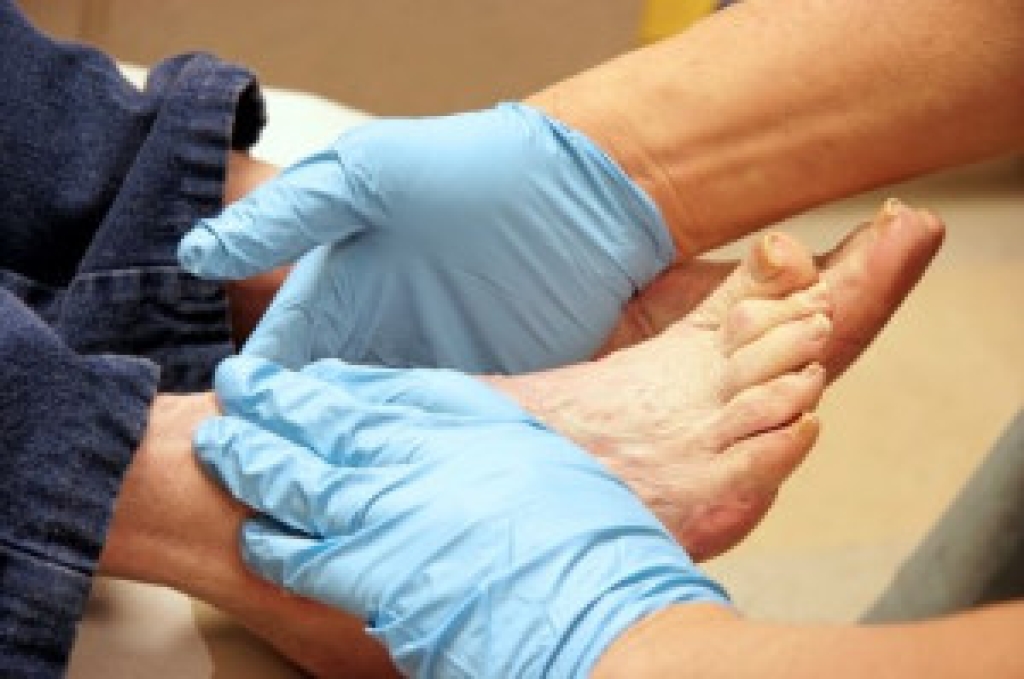 It is estimated that approximately one third of people with diabetes will develop a diabetic foot ulcer. History has shown that diabetics are more likely to have problems and complications related to their feet than others. This is largely to due the fact that the disease raises blood sugar levels, which decreases both sensation and circulation. According to experts, people with diabetes are far less likely to feel pain in their feet. Furthermore, it has been found that 40% of diabetics who develop ulcers will experience some sort of recurrence within a year.
Diabetic foot care is important in preventing foot ailments such as ulcers. If you are suffering from diabetes or have any other concerns about your feet, contact one of our podiatrists from Active Foot and Ankle Care, LLC. Our doctors can provide the care you need to keep you pain-free and on your feet.
Diabetic Foot Care
Diabetes affects millions of people every year. The condition can damage blood vessels in many parts of the body, especially the feet. Because of this, taking care of your feet is essential if you have diabetes, and having a podiatrist help monitor your foot health is highly recommended.
The Importance of Caring for Your Feet
Patients with diabetes should have their doctor monitor their blood levels, as blood sugar levels play such a huge role in diabetic care. Monitoring these levels on a regular basis is highly advised.
It is always best to inform your healthcare professional of any concerns you may have regarding your feet, especially for diabetic patients. Early treatment and routine foot examinations are keys to maintaining proper health, especially because severe complications can arise if proper treatment is not applied.
If you have any questions, please feel free to contact our offices located in Fair Lawn, Riverdale, and Englewood, NJ . We offer the newest diagnostic and treatment technologies for all your foot care needs.
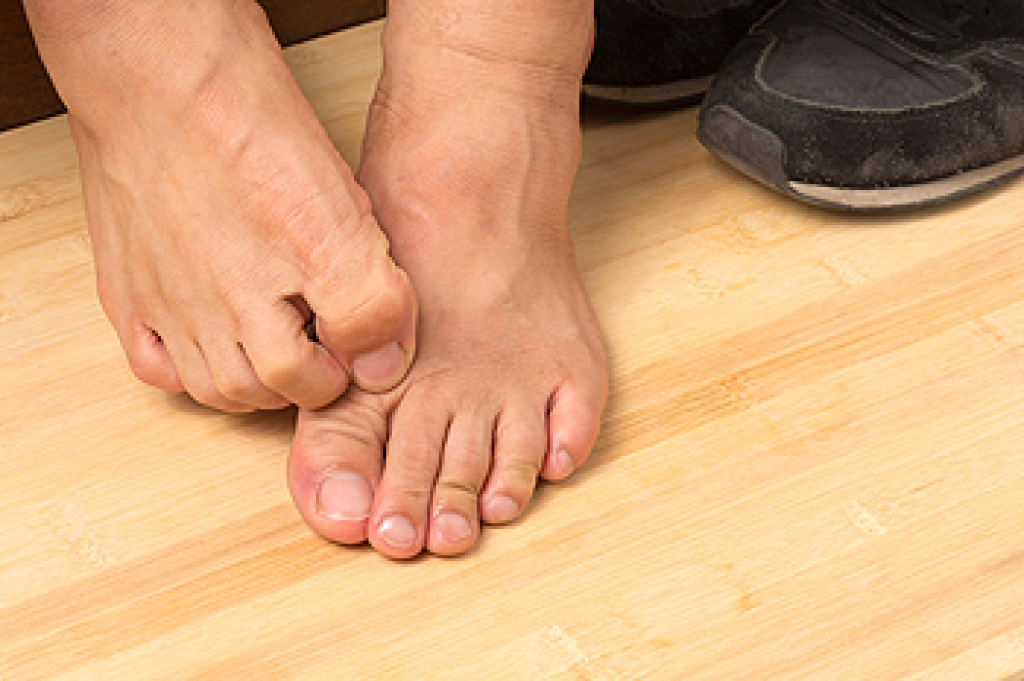 Suzie, an average woman, had felt a numbing and burning sensation in her foot for several years. She had been consistently told by doctors that she was experiencing neuropathy and that there was little that could be done. Only after her doctor referred her to a podiatrist did she become aware that what she was actually experiencing was tarsal tunnel syndrome, an often misdiagnosed condition that causes a variety of nerve problems such as numbness or burning sensations in the foot. Regular doctors often have trouble identifying tarsal tunnel syndrome and only through special nerve tests conducted by podiatrists can proper diagnosis and treatment be prescribed. If you are experiencing numbness and pain in your foot, be sure to seek out a podiatrist.
Tarsal tunnel syndrome can be very uncomfortable to live with. If you are experiencing tarsal tunnel syndrome, contact one of our podiatrists of Active Foot and Ankle Care, LLC. Our doctors can provide the care you need to keep you pain-free and on your feet.
Tarsal Tunnel Syndrome
Tarsal tunnel syndrome, which can also be called tibial nerve dysfunction, is an uncommon condition of misfiring peripheral nerves in the foot. The tibial nerve is the peripheral nerve in the leg responsible for sensation and movement of the foot and calf muscles. In tarsal tunnel syndrome, the tibial nerve is damaged, causing problems with movement and feeling in the foot of the affected leg.
Common Cause of Tarsal Tunnel Syndrome
The Effects of Tarsal Tunnel Syndrome
A physical exam of the leg can help identify the presence of tarsal tunnel syndrome. Medical tests, such as a nerve biopsy, are also used to diagnose the condition. Patients may receive physical therapy and prescriptive medication. In extreme cases, some may require surgery.
If you have any questions please contact our offices located in Fair Lawn, Riverdale, and Englewood, NJ . We offer the newest diagnostic and treatment technologies for all your foot and ankle needs.
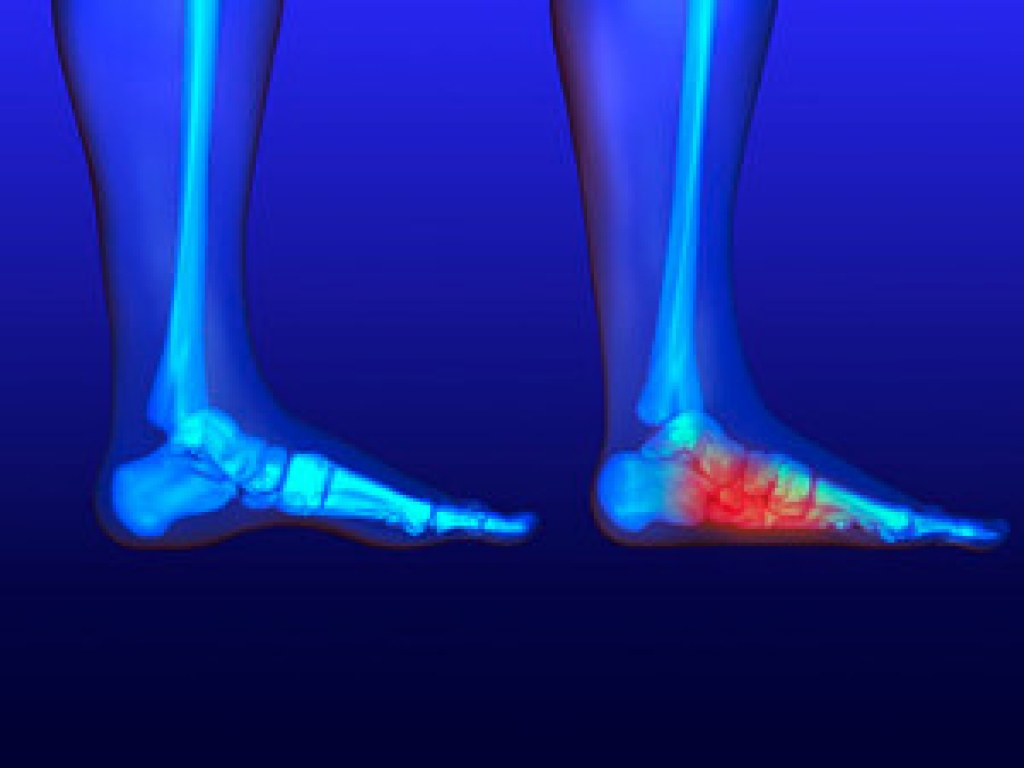 Researchers at Kansas University of Technology were able to develop a device that can measure pressure on human feet. The feet are responsible for carrying most of the body’s weight when a person walks, and as a result, they tend to endure the most mechanical pressure. Studying the pressure changes in one's feet can lead to the diagnosis of more serious problems such as diabetes, flat feet, and toe deformities. Flat foot is a treatable condition, and although the most common ways to treat it are by using special shoes and monitoring gait; analyzing the pressure in the feet can be beneficial as well.
Flatfoot is a condition many people suffer from. If you have flat feet, contact one of our podiatrists from Active Foot and Ankle Care, LLC. Our doctors will treat your foot and ankle needs.
What Are Flat Feet?
Flatfoot is a condition in which the arch of the foot is depressed and the sole of the foot is almost completely in contact with the ground. About 20-30% of the population generally has flat feet because their arches never formed during growth.
Conditions & Problems:
Having flat feet makes it difficult to run or walk because of the stress placed on the ankles.
Alignment – The general alignment of your legs can be disrupted, because the ankles move inward which can cause major discomfort.
Knees – If you have complications with your knees, flat feet can be a contributor to arthritis in that area.
Symptoms
Treatment
If you are experiencing pain and stress on the foot you may weaken the posterior tibial tendon, which runs around the inside of the ankle.
If you have any questions, please feel free to contact our offices located in Fair Lawn, Riverdale, and Englewood, NJ . We offer the newest diagnostic and treatment technologies for all your foot care needs.

Custom orthotics, or shoe inserts, should be periodically replaced. Orthotics must fit properly to give you the best results. Protect your feet and ankles!