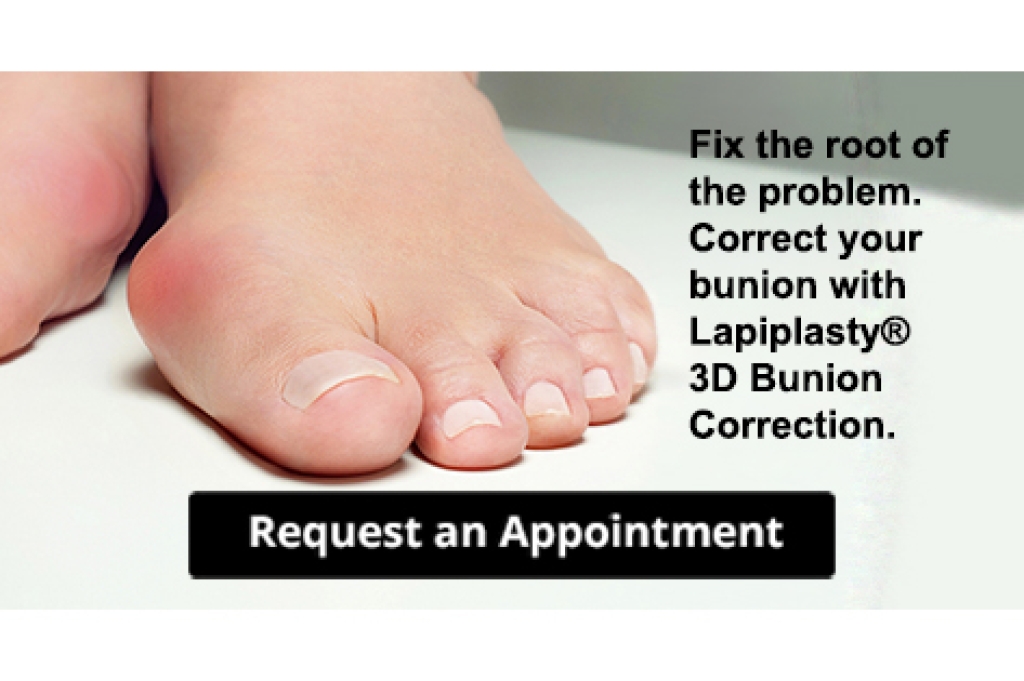
Tired of your bunion? Do more than just remove "the bump" — address your bunion in three dimensions to correct the root of the problem. Consider Lapiplasty® 3D Bunion Correction. Using advanced fixation technology to secure the correction in place, patients can walk within days of surgery.
Neuropathy is a common problem for many diabetics. Its major cause is damage to the peripheral nerves that send signals to the feet. Because these signals can become weak or not received, the feet can become numb and problems may ensue. Symptoms of diabetic neuropathy include paresthesia, which is a tingling or buzzing sensation in the feet. It can become worse at night while sleeping. Pins and needles in the feet and toes, called dysesthesia, cause intense pain and a burning sensation. The severity depends on the amount of nerve damage that has occurred. Another common symptom is a loss of the perception of temperatures. This causes the feet to be less sensitive to heat and more sensitive to cold. Meanwhile, hyperesthesia is an exaggerated sensitivity to the skin. Socks and tights can feel too tight, causing the skin to feel irritated even though nothing is physically wrong. One way to relieve some of these symptoms is by choosing footwear that is comfortable and fits properly. For information on how to best deal with diabetic neuropathy, please consult a podiatrist.
Diabetic foot care is important in preventing foot ailments such as ulcers. If you are suffering from diabetes or have any other concerns about your feet, contact one of our podiatrists from Active Foot and Ankle Care, LLC. Our doctors can provide the care you need to keep you pain-free and on your feet.
Diabetic Foot Care
Diabetes affects millions of people every year. The condition can damage blood vessels in many parts of the body, especially the feet. Because of this, taking care of your feet is essential if you have diabetes, and having a podiatrist help monitor your foot health is highly recommended.
The Importance of Caring for Your Feet
Routinely inspect your feet for bruises or sores.
Wear socks that fit your feet comfortably.
Wear comfortable shoes that provide adequate support.
Patients with diabetes should have their doctor monitor their blood levels, as blood sugar levels play such a huge role in diabetic care. Monitoring these levels on a regular basis is highly advised.
It is always best to inform your healthcare professional of any concerns you may have regarding your feet, especially for diabetic patients. Early treatment and routine foot examinations are keys to maintaining proper health, especially because severe complications can arise if proper treatment is not applied.
If you have any questions, please feel free to contact our offices located in Fair Lawn, Riverdale, and Englewood, NJ. We offer the newest diagnostic and treatment technologies for all your foot care needs.
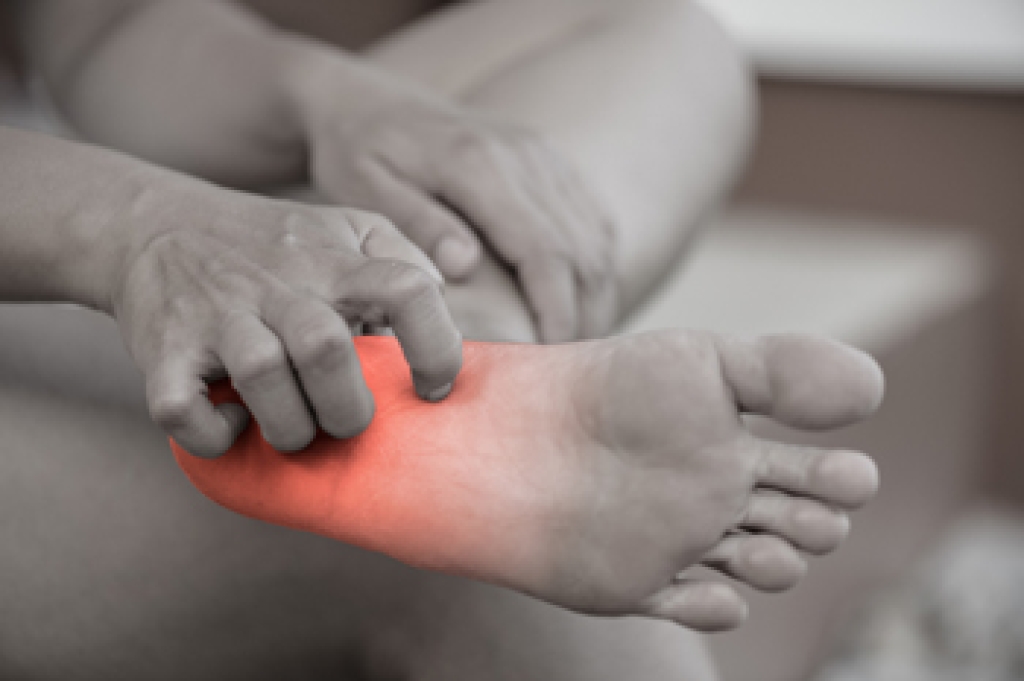
There is a good chance that you might have heard of plantar fasciitis at some point in your life. This is because it is a leading cause of heel pain in many Americans, and can make a variety of physical activities significantly more challenging. Jumping rope is one such activity that can exacerbate or aggravate plantar fasciitis. Since this foot condition makes the band of tissue along the arch of the foot inflamed, jumping rope can cause an individual with plantar fasciitis pain. For example, when jumping rope, an individual with plantar fasciitis might feel a heightened sense of pain in the arches of the feet. Boxers ought to be particularly mindful of this possibility, as boxers will often jump rope in training for their sport. If you have plantar fasciitis or frequently jump rope, contact a podiatrist today for more information.
Plantar fasciitis is a common foot condition that is often caused by a strain injury. If you are experiencing heel pain or symptoms of plantar fasciitis, contact one of our podiatrists from Active Foot and Ankle Care, LLC. Our doctors can provide the care you need to keep you pain-free and on your feet.
What Is Plantar Fasciitis?
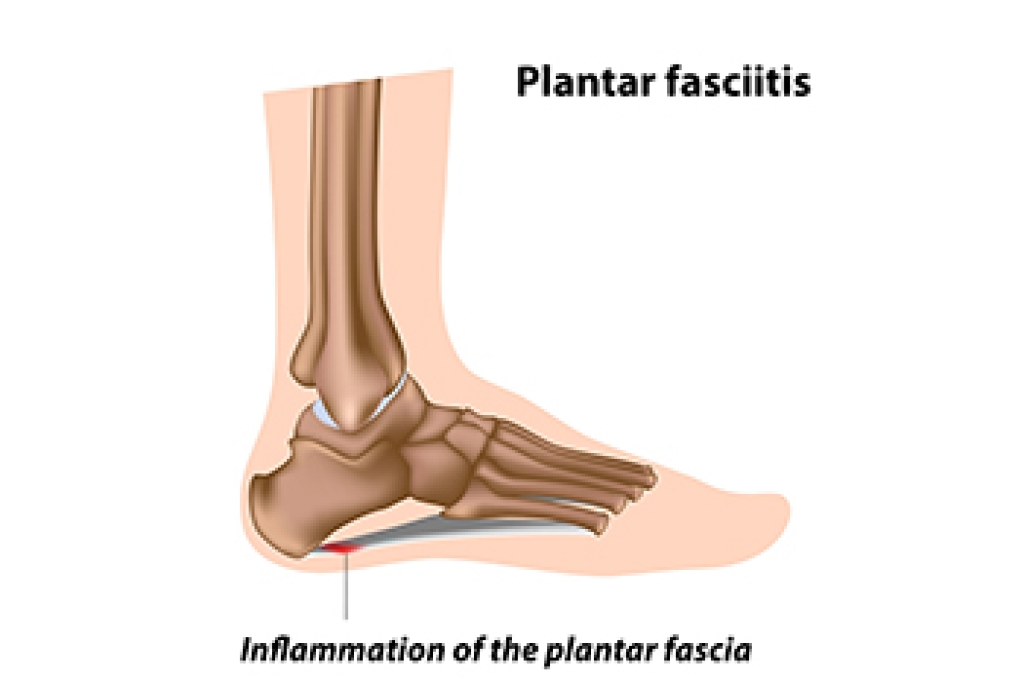
Plantar fasciitis is one of the most common causes of heel pain. The plantar fascia is a ligament that connects your heel to the front of your foot. When this ligament becomes inflamed, plantar fasciitis is the result. If you have plantar fasciitis you will have a stabbing pain that usually occurs with your first steps in the morning. As the day progresses and you walk around more, this pain will start to disappear, but it will return after long periods of standing or sitting.
What Causes Plantar Fasciitis?
Excessive running
Having high arches in your feet
Other foot issues such as flat feet
Pregnancy (due to the sudden weight gain)
Being on your feet very often
There are some risk factors that may make you more likely to develop plantar fasciitis compared to others. The condition most commonly affects adults between the ages of 40 and 60. It also tends to affect people who are obese because the extra pounds result in extra stress being placed on the plantar fascia.
Prevention
Take good care of your feet – Wear shoes that have good arch support and heel cushioning.
Maintain a healthy weight
If you are a runner, alternate running with other sports that won’t cause heel pain
There are a variety of treatment options available for plantar fasciitis along with the pain that accompanies it. Additionally, physical therapy is a very important component in the treatment process. It is important that you meet with your podiatrist to determine which treatment option is best for you.
If you have any questions, please feel free to contact our offices located in Fair Lawn, Riverdale, and Englewood, NJ. We offer the newest diagnostic and treatment technologies for all your foot care needs.
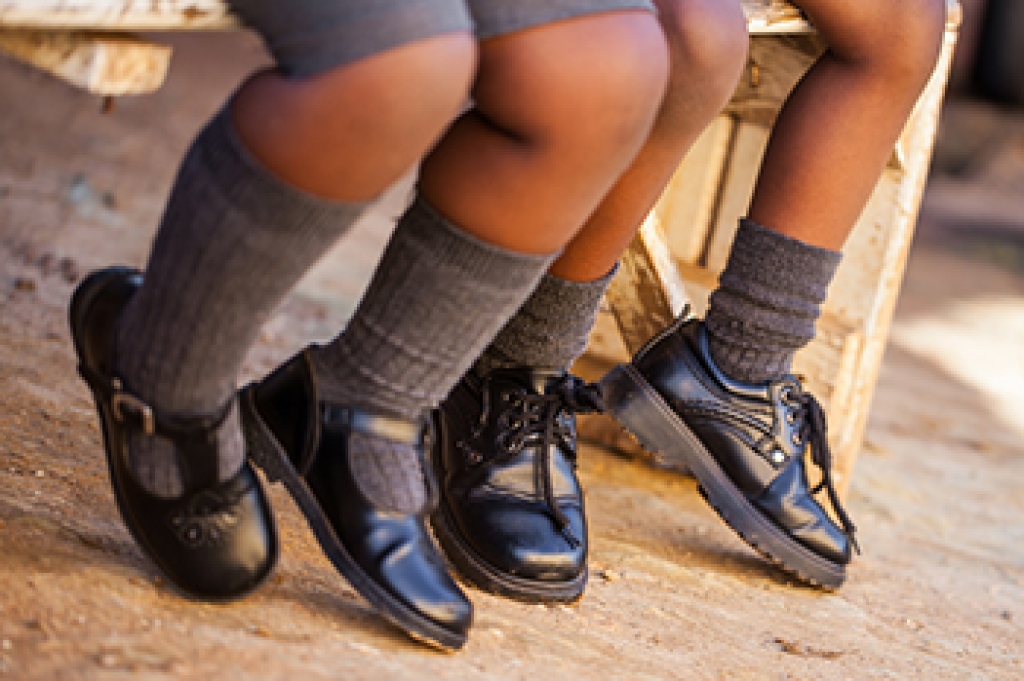
A baby’s foot is typically flexible and padded with fat. Most children start to walk between the ages of 8 and 18 months. At this time, they are usually still flat-footed, or their feet turn inward because their bones, muscles, and ligaments have not fully developed. Toddlers should be encouraged to walk barefoot as much as possible as this encourages balance, posture, muscle strength, and coordination. They get important sensory information from the soles of their feet touching the ground. When the child walks confidently, firm-soled shoes can be worn. Footwear can help protect their feet from injury in heat and cold. Have your child’s feet professionally measured to ensure the shoes that are worn are the correct size. Their feet grow quickly so this may need to be done every few months. Shoes that do not fit properly can hamper your child’s walking and cause foot problems like ingrown toenails. Shoes should have plenty of room for their toes, have a flexible, flat sole, and fasteners that do not allow too much movement or slipping of the foot in the shoe. If you have any concerns about your child’s feet or want to learn more about selecting proper shoes, please consult a podiatrist.
Making sure that your children maintain good foot health is very important as they grow. If you have any questions, contact one of our podiatrists of Active Foot and Ankle Care, LLC. Our doctors can provide the care you need to keep you pain-free and on your feet.
Keeping Children's Feet Healthy
Having healthy feet during childhood can help prevent medical problems later in life, namely in the back and legs. As children grow, their feet require different types of care. Here are some things to consider...
Although babies do not walk yet, it is still very important to take care of their feet.
Avoid putting tight shoes or socks on his or her feet.
Allow the baby to stretch and kick his or her feet to feel comfortable.
As a toddler, kids are now on the move and begin to develop differently. At this age, toddlers are getting a feel for walking, so don’t be alarmed if your toddler is unsteady or ‘walks funny’.
As your child gets older, it is important to teach them how to take care of their feet.
Show them proper hygiene to prevent infections such as fungus.
Be watchful for any pain or injury.
Have all injuries checked by a doctor as soon as possible.
Comfortable, protective shoes should always be worn, especially at play.
If you have any questions, please feel free to contact our offices located in Fair Lawn, Riverdale, and Englewood, NJ. We offer the newest diagnostic and treatment technologies for all your foot care needs.