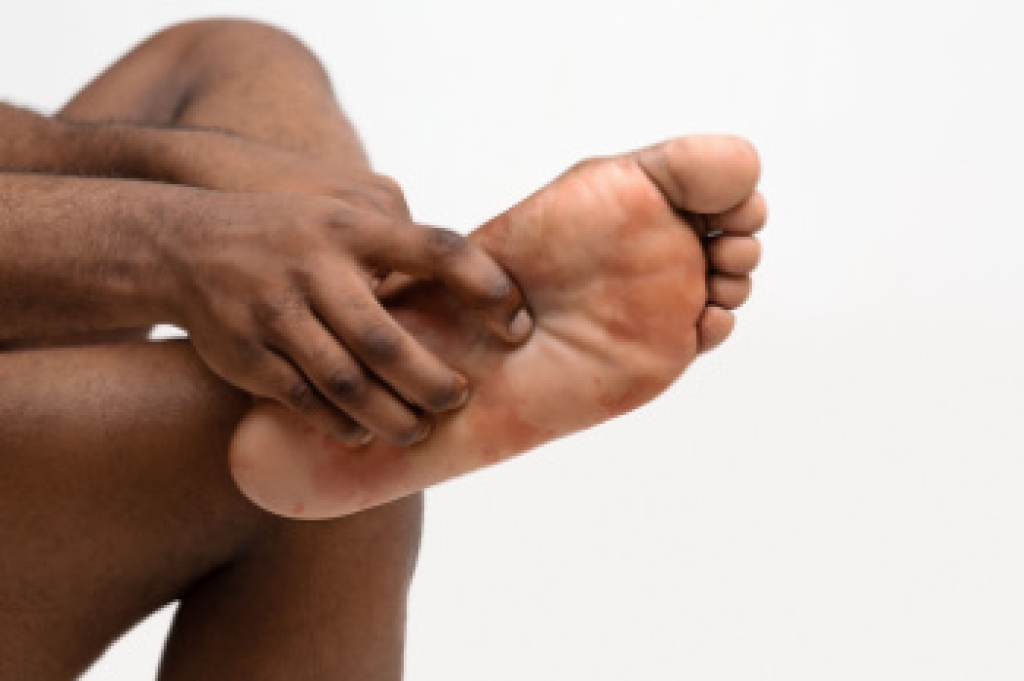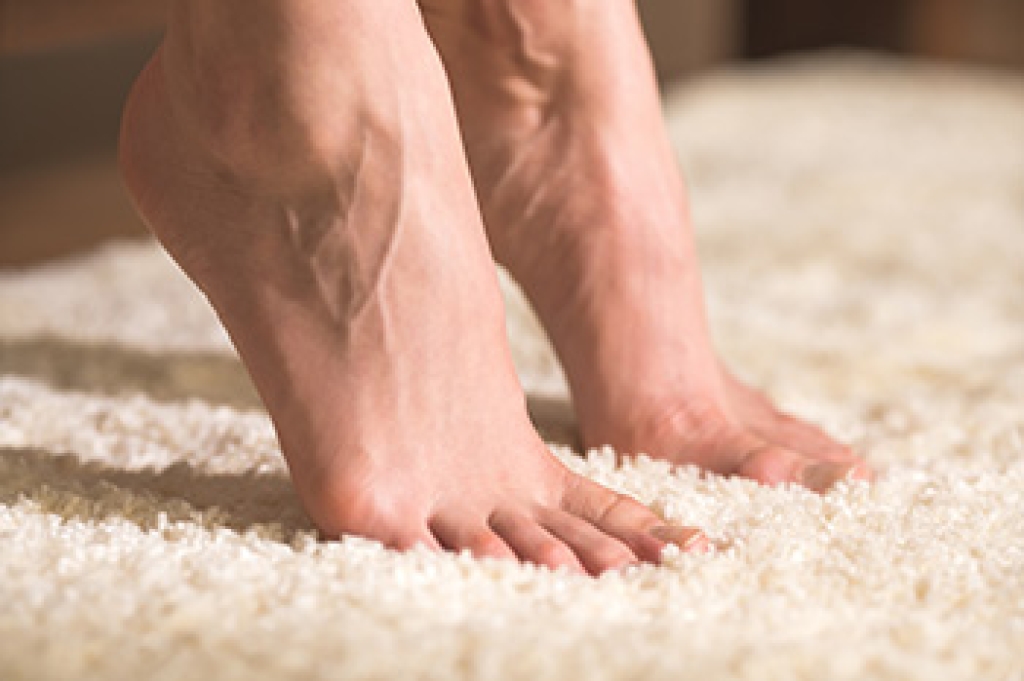
Simple Exercises to Keep Aging Feet Strong

Maintaining foot strength and flexibility becomes increasingly important with age, as it helps support balance, mobility, and overall comfort. Regular movement encourages circulation, reduces stiffness, and can lower the risk of common issues associated with conditions like osteoarthritis. Walking is one of the easiest and most effective activities, promoting blood flow and keeping joints active without excessive strain. Heel and toe lifts are another helpful exercise to strengthen the muscles in the feet and lower legs while improving stability when standing or moving. Ankle pumps, performed by gently flexing and pointing the feet, can enhance circulation and reduce swelling, especially after long periods of sitting. Incorporating these simple exercises into a daily routine can support healthier, more resilient feet, and help maintain independence and comfort over time. If you experience ongoing discomfort or mobility issues, it is suggested that you consult a podiatrist for personalized guidance and care.

Poor circulation is a serious condition and needs immediate medical attention. If you have any concerns with poor circulation in your feet contact one of our podiatrists of Active Foot and Ankle Care, LLC. Our doctors will treat your foot and ankle needs.

Poor Circulation in the Feet

Poor blood circulation in the feet and legs is can be caused by peripheral artery disease (PAD), which is the result of a buildup of plaque in the arteries.

Plaque buildup or atherosclerosis results from excess calcium and cholesterol in the bloodstream. This can restrict the amount of blood which can flow through the arteries. Poor blood circulation in the feet and legs are sometimes caused by inflammation in the blood vessels, known as vasculitis.

Causes

Lack of oxygen and oxygen from poor blood circulation restricts muscle growth and development. It can also cause:

  • Muscle pain, stiffness, or weakness 
  • Numbness or cramping in the legs
  • Skin discoloration
  • Slower nail & hair growth
  • Erectile dysfunction

Those who have diabetes or smoke are at greatest risk for poor circulation, as are those who are over 50. If you have poor circulation in the feet and legs it may be caused by PAD and is important to make changes to your lifestyle in order to reduce risk of getting a heart attack or stroke. Exercise and maintaining a healthy lifestyle will dramatically improve conditions.

As always, see a podiatrist as he or she will assist in finding a regimen that suits you. A podiatrist can also prescribe you any needed medication. 

If you have any questions, please feel free to contact our offices located in Fair Lawn, Riverdale, and Englewood, NJ . We offer the newest diagnostic and treatment technologies for all your foot care needs.

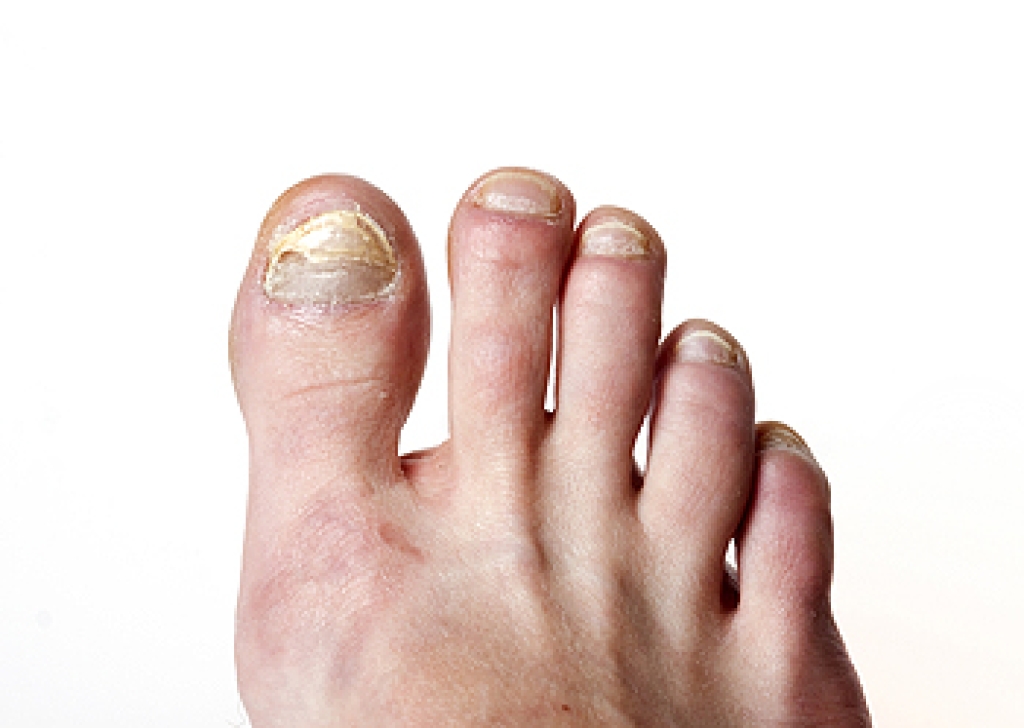
Read more about Causes, Symptoms, and Treatment of Poor Blood Circulation in the Feet

Get 3D Custom Orthotics

3D scanning can give your orthotics the precise fit you need. Give your feet the best in comfort!

New Approaches in Identifying and Managing Onychomycosis

Onychomycosis, a fungal infection of the nail that leads to thickening, discoloration, and brittle changes, is being approached with greater accuracy and more individualized care. Evaluation often includes lab testing, such as nail sampling with a microscopic evaluation or culture to confirm fungus before care begins, helping to avoid unnecessary or ineffective medications. Care options have also expanded beyond standard oral medications. Newer topical treatments are designed to better reach the nail bed, improving results for some patients. In certain cases, combining methods may offer better outcomes and lower the chance of recurrence. Daily foot care, keeping nails trimmed, and choosing breathable footwear all support long-term nail health. When nail changes persist or worsen despite home care, it is suggested that you see a podiatrist who can guide you toward the most appropriate next steps.

If left untreated, toenail fungus may spread to other toenails, skin, or even fingernails. If you suspect you have toenail fungus it is important to seek treatment right away. For more information about treatment, contact one of our podiatrists of Active Foot and Ankle Care, LLC. Our doctors can provide the care you need to keep you pain-free and on your feet.

Symptoms

  • Warped or oddly shaped nails
  • Yellowish nails
  • Loose/separated nail
  • Buildup of bits and pieces of nail fragments under the nail
  • Brittle, broken, thickened nail

Treatment

If self-care strategies and over-the-counter medications does not help your fungus, your podiatrist may give you a prescription drug instead. Even if you find relief from your toenail fungus symptoms, you may experience a repeat infection in the future.

Prevention

In order to prevent getting toenail fungus in the future, you should always make sure to wash your feet with soap and water. After washing, it is important to dry your feet thoroughly especially in between the toes. When trimming your toenails, be sure to trim straight across instead of in a rounded shape. It is crucial not to cover up discolored nails with nail polish because that will prevent your nail from being able to “breathe”.

In some cases, surgical procedure may be needed to remove the toenail fungus. Consult with your podiatrist about the best treatment options for your case of toenail fungus.  

If you have any questions please contact our offices located in Fair Lawn, Riverdale, and Englewood, NJ . We offer the newest diagnostic and treatment technologies for all your foot and ankle needs.

Read more about Toenail Fungus

Custom Orthotics For Foot and Heel Pain

Step into relief and reclaim your mobility! Foot and heel pain can be a thing of the past with the right Custom Orthotics. Customized to your unique foot structure, they provide the support and alignment needed to alleviate discomfort. Whether you're walking, running, or simply standing, Custom Orthotics ensure every step is cushioned and pain-free. Don't let foot ailments dictate your day. With Custom Orthotics, embrace a world of comfort and freedom. Call today to schedule an appointment.

Understanding Plantar Fasciitis

Plantar fasciitis causes heel pain that often makes the first steps in the morning feel sharp and uncomfortable. This condition occurs when the thick band of tissue along the bottom of the foot becomes inflamed or torn. The heel may feel tender, tight, or even slightly swollen, and pain can return after long periods of standing or walking. Contributing factors include overuse, wearing unsupportive shoes, or having flat feet or high arches that place added stress on the tissue. A podiatrist begins with a careful evaluation of symptoms and foot structure and orders imaging if needed. Treatment focuses on reducing pain and improving support through custom orthotics, footwear changes, and targeted exercises to improve flexibility and strength. Early care can help prevent the condition from becoming long-lasting. If you are dealing with painful plantar fasciitis, it is suggested that you make an appointment with a podiatrist.

Plantar fasciitis is a common foot condition that is often caused by a strain injury. If you are experiencing heel pain or symptoms of plantar fasciitis, contact one of our podiatrists from Active Foot and Ankle Care, LLC. Our doctors can provide the care you need to keep you pain-free and on your feet.

What Is Plantar Fasciitis?

Plantar fasciitis is one of the most common causes of heel pain. The plantar fascia is a ligament that connects your heel to the front of your foot. When this ligament becomes inflamed, plantar fasciitis is the result. If you have plantar fasciitis you will have a stabbing pain that usually occurs with your first steps in the morning. As the day progresses and you walk around more, this pain will start to disappear, but it will return after long periods of standing or sitting.

What Causes Plantar Fasciitis?

  • Excessive running
  • Having high arches in your feet
  • Other foot issues such as flat feet
  • Pregnancy (due to the sudden weight gain)
  • Being on your feet very often

There are some risk factors that may make you more likely to develop plantar fasciitis compared to others. The condition most commonly affects adults between the ages of 40 and 60. It also tends to affect people who are obese because the extra pounds result in extra stress being placed on the plantar fascia.

Prevention

  • Take good care of your feet – Wear shoes that have good arch support and heel cushioning.
  • Maintain a healthy weight
  • If you are a runner, alternate running with other sports that won’t cause heel pain

There are a variety of treatment options available for plantar fasciitis along with the pain that accompanies it. Additionally, physical therapy is a very important component in the treatment process. It is important that you meet with your podiatrist to determine which treatment option is best for you.

If you have any questions, please feel free to contact our offices located in Fair Lawn, Riverdale, and Englewood, NJ . We offer the newest diagnostic and treatment technologies for all your foot care needs.

 

Read more about Plantar Fasciitis
Hackensack University Medical Center Logo American Podiatric Medical Association Logo American College of Foot and Ankle Surgeons Logo The Association of Extremity Nerve Surgeons Logo American Academy of Podiatric Sports Medicine Logo Atlas Foot Alignment Institute Logo
Advanced Podiatric Procedures & Services in the Bergen County, NJ: Fair Lawn (Ridgewood, Glen Rock, Woodcliff Lake, Hillsdale, Westwood, Closter, Wyckoff, Ramsey, Oakland) and Englewood (Hackensack, Paramus, Tenafly, Closter, Northvale, East Rutherford); Morris County, NJ: Riverdale (Butler, Kinnelon, Montville, Boonton, Pequannock Township, Lincoln Park) as well as Passaic County, NJ (Hawthorne, Paterson, Clifton, Totowa, Pompton Lakes, Wanaque, Wayne, Macopin, Ringwood) and Hudson County, NJ (Secaucus, North Bergen) areas