
Have your child's feet been examined lately? Healthy feet are happy feet. If your child is complaining of foot pain, it may be a sign of underlying problems.
Have your child's feet been examined lately? Healthy feet are happy feet. If your child is complaining of foot pain, it may be a sign of underlying problems.
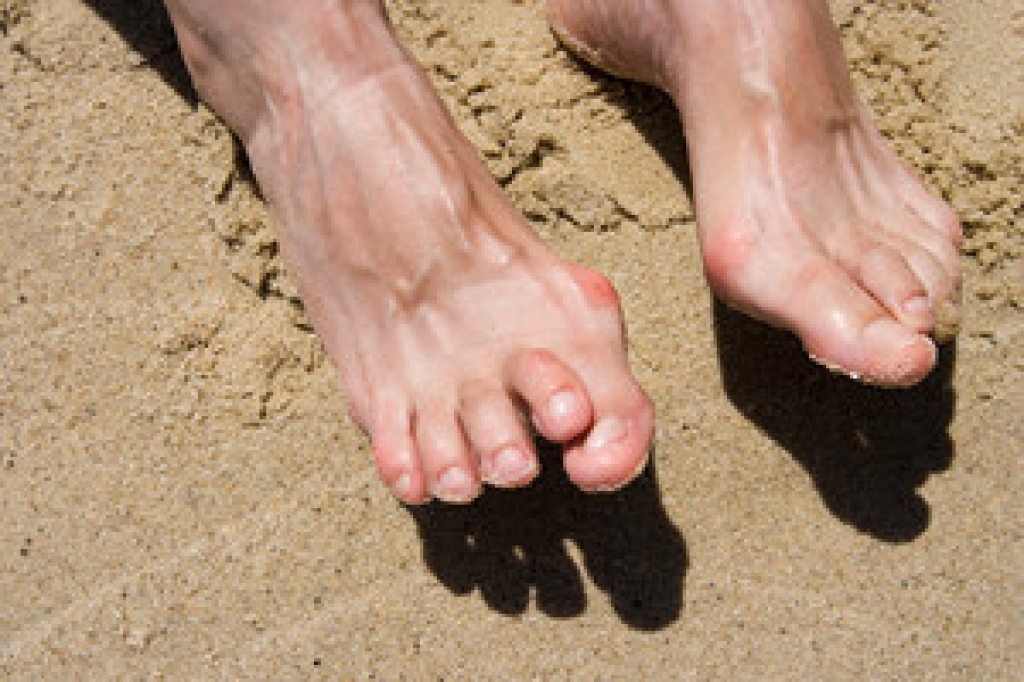 When the ligaments and tendons in the middle joint of toes slowly tighten up over time, the toes become forced to curl downwards. This results in what is known as hammertoe. Hammertoe can develop in any toe except the big toe. The joints will become stiffer over time and thus, harder to move without pain. Blisters and calluses may also begin to form on the toes. One of the most common causes of hammertoe is shoes that have narrow toe boxes, such as pointed toe high heels. Hammertoes can also be a result of a stubbed toe or toe fracture. Patients who are struggling with a painful hammertoe should consult with a podiatrist in order to get relief and treatment options.
Hammertoe
Hammertoes can be a painful condition to live with. For more information, contact one of our podiatrists from Active Foot and Ankle Care, LLC. Our doctors will answer any of your foot- and ankle-related questions.
Hammertoe is a foot deformity that affects the joints of the second, third, fourth, or fifth toes of your feet. It is a painful foot condition in which these toes curl and arch up, which can often lead to pain when wearing footwear.
Symptoms
Causes
Genetics – People who are genetically predisposed to hammertoe are often more susceptible
Arthritis – Because arthritis affects the joints in your toes, further deformities stemming from arthritis can occur
Trauma – Direct trauma to the toes could potentially lead to hammertoe
Ill-fitting shoes – Undue pressure on the front of the toes from ill-fitting shoes can potentially lead to the development of hammertoe
Treatment
Orthotics – Custom made inserts can be used to help relieve pressure placed on the toes and therefore relieve some of the pain associated with it
Medications – Oral medications such as anti-inflammatories or NSAIDs could be used to treat the pain and inflammation hammertoes causes. Injections of corticosteroids are also sometimes used
Surgery – In more severe cases where the hammertoes have become more rigid, foot surgery is a potential option
If you have any questions, please feel free to contact our offices located in Fair Lawn, Riverdale, and Englewood, NJ . We offer the newest diagnostic and treatment technologies for all your foot care needs.
 The tarsal tunnel is a small opening in the ankle that the posterior tibial nerve, which supplies sensation and movement to the foot, travels through. Tarsal tunnel syndrome occurs when the nerve is compressed and pressed on in this area, which can be painful and lead to a loss of sensation in the feet. This compression can be caused by a direct injury to the ankle, as well as other issues such as swelling, a cyst, or arthritis. Tarsal tunnel syndrome can feel like other foot and ankle injuries. If you are suspicious that you may be suffering from tarsal tunnel syndrome, consult with a podiatrist for a proper diagnosis.
Tarsal tunnel syndrome can be very uncomfortable to live with. If you are experiencing tarsal tunnel syndrome, contact one of our podiatrists of Active Foot and Ankle Care, LLC. Our doctors can provide the care you need to keep you pain-free and on your feet.
Tarsal Tunnel Syndrome
Tarsal tunnel syndrome, which can also be called tibial nerve dysfunction, is an uncommon condition of misfiring peripheral nerves in the foot. The tibial nerve is the peripheral nerve in the leg responsible for sensation and movement of the foot and calf muscles. In tarsal tunnel syndrome, the tibial nerve is damaged, causing problems with movement and feeling in the foot of the affected leg.
Common Cause of Tarsal Tunnel Syndrome
The Effects of Tarsal Tunnel Syndrome
A physical exam of the leg can help identify the presence of tarsal tunnel syndrome. Medical tests, such as a nerve biopsy, are also used to diagnose the condition. Patients may receive physical therapy and prescriptive medication. In extreme cases, some may require surgery.
If you have any questions please contact our offices located in Fair Lawn, Riverdale, and Englewood, NJ . We offer the newest diagnostic and treatment technologies for all your foot and ankle needs.
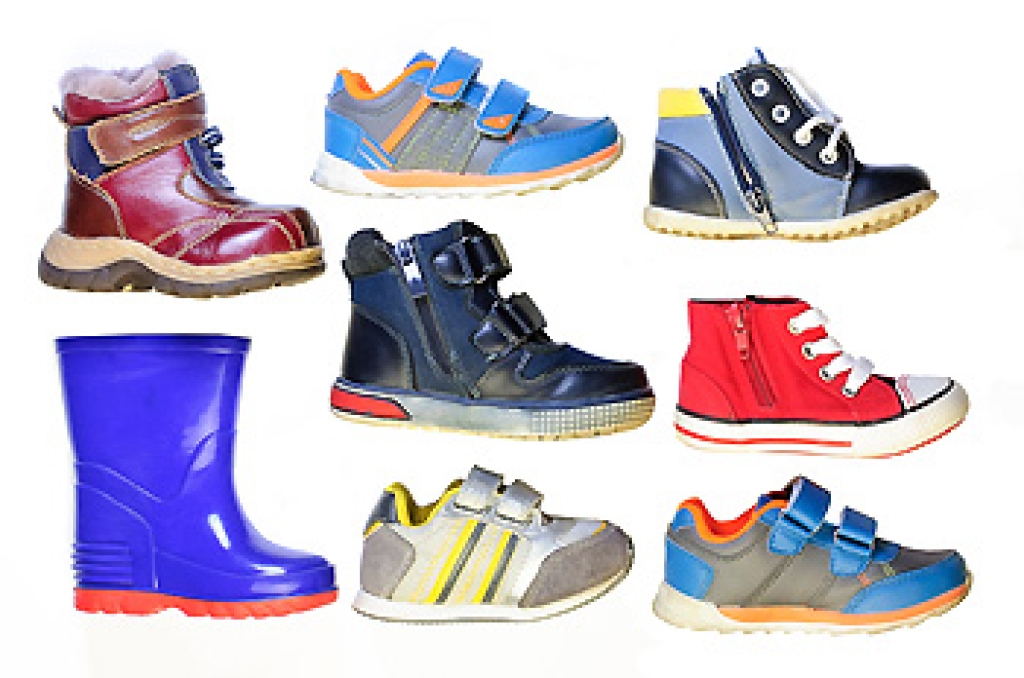
As babies learn and begin to walk, their feet become stronger. Gradually, the soft tissues the feet are composed of will strengthen and become able to support the body’s weight. Crawling starts before walking, and this helps to build the arches. The majority of babies are born with flat feet, and the arches fully develop as the child approaches puberty. It is beneficial for babies to refrain from wearing shoes while indoors. This can help to strengthen the overall foot as the toes grasp the floor. As the child walks outdoors, it is important to choose shoes that fit correctly. This can be accomplished by properly measuring the feet, which can determine what size shoe should be purchased. If you would like more information about the health of children’s feet, please consult with a podiatrist.
Making sure that your children maintain good foot health is very important as they grow. If you have any questions, contact one of our podiatrists of Active Foot and Ankle Care, LLC. Our doctors can provide the care you need to keep you pain-free and on your feet.
Keeping Children's Feet Healthy
Having healthy feet during childhood can help prevent medical problems later in life, namely in the back and legs. As children grow, their feet require different types of care. Here are some things to consider...
Although babies do not walk yet, it is still very important to take care of their feet.
Avoid putting tight shoes or socks on his or her feet.
Allow the baby to stretch and kick his or her feet to feel comfortable.
As a toddler, kids are now on the move and begin to develop differently. At this age, toddlers are getting a feel for walking, so don’t be alarmed if your toddler is unsteady or ‘walks funny’.
As your child gets older, it is important to teach them how to take care of their feet.
Show them proper hygiene to prevent infections such as fungus.
Be watchful for any pain or injury.
Have all injuries checked by a doctor as soon as possible.
Comfortable, protective shoes should always be worn, especially at play.
If you have any questions, please feel free to contact our offices located in Fair Lawn, Riverdale, and Englewood, NJ . We offer the newest diagnostic and treatment technologies for all your foot care needs.
You don't need an excuse to have beautiful nails. Step outside without worrying about the appearance of your feet.