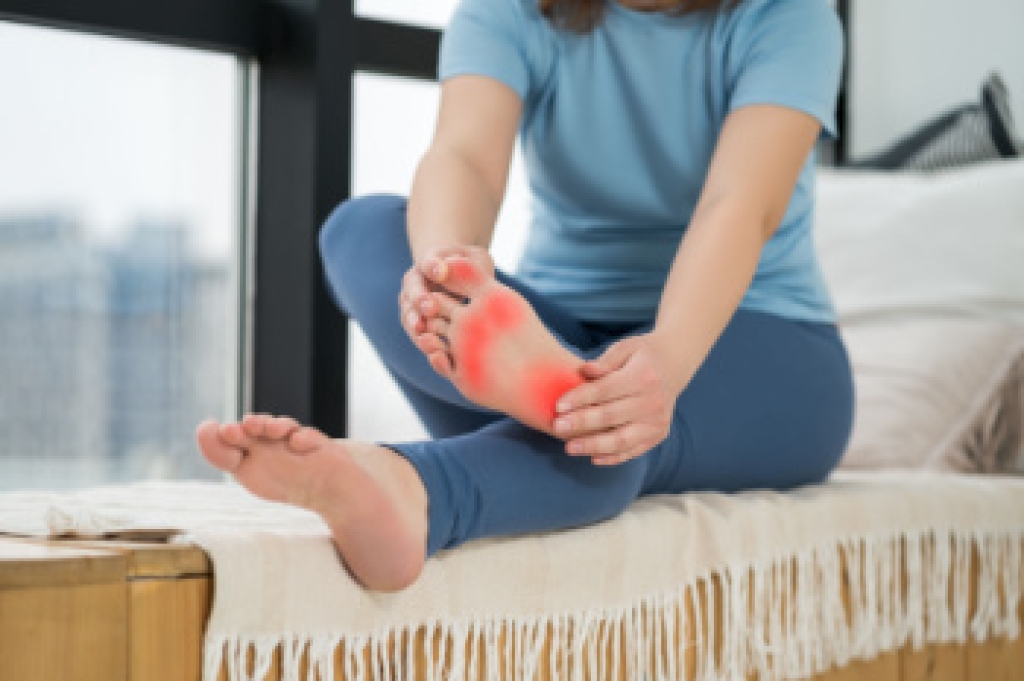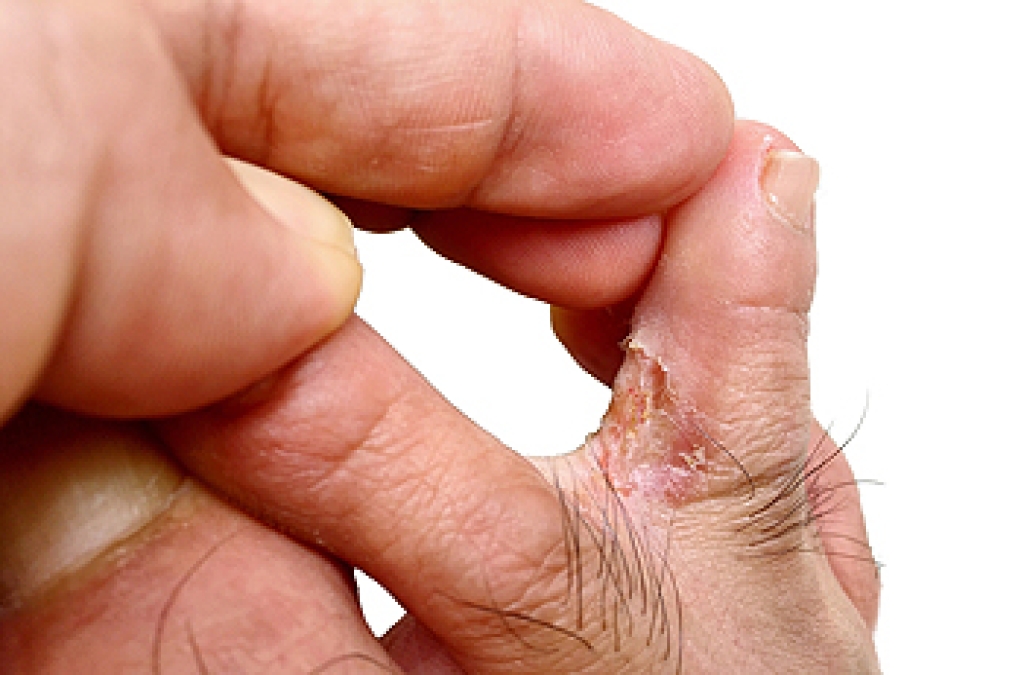
Athlete’s foot is a fungal skin infection that commonly affects the feet, especially the spaces between the toes. It develops when fungi grow in warm, moist environments and spread across the outer layer of skin. This condition is contagious and can be transmitted through shared surfaces such as locker rooms and showers. In some cases, small bumps may appear along with other skin changes, which can make the infection more noticeable. Understanding how to identify athlete’s foot early can help prevent progression and reduce discomfort.
Symptoms of athlete’s foot often include itching, burning, and irritation of the skin. The affected area may appear red, flaky, or cracked, particularly between the toes. Some individuals develop small fluid-filled bumps that may cause additional sensitivity. The skin can become soft or soggy due to excess moisture, and an unpleasant odor may also be present. These symptoms may worsen with continued exposure to damp conditions or tight footwear.
Several causes contribute to the development of athlete’s foot. Fungi thrive in consistently warm and damp environments, making sweaty feet and enclosed shoes a common factor. Walking barefoot in public areas increases exposure to infectious organisms. Additional contributing factors include minor skin injuries and poor hygiene habits. Individuals with a weakened immune system, a genetic predisposition, or poor circulation may be more vulnerable to infection and slower healing.
Risk factors include frequent use of communal facilities, prolonged moisture exposure, and wearing non-breathable shoes. People who experience excessive sweating or have underlying health conditions may face increased risk. Identifying athlete’s foot involves recognizing persistent itching, peeling skin, and the presence of bumps or irritation in typical areas. Early treatment and proper foot care can prevent spread and recurrence. If you have athlete’s foot or related bumps, it is suggested that you consult a podiatrist for effective relief and treatment solutions, which may include prescribed medication.
Athlete’s Foot
Athlete’s foot is often an uncomfortable condition to experience. Thankfully, podiatrists specialize in treating athlete’s foot and offer the best treatment options. If you have any questions about athlete’s foot, consult with one of our podiatrists from Active Foot and Ankle Care, LLC. Our doctors will assess your condition and provide you with quality treatment.
What Is Athlete’s Foot?
Tinea pedis, more commonly known as athlete’s foot, is a non-serious and common fungal infection of the foot. Athlete’s foot is contagious and can be contracted by touching someone who has it or infected surfaces. The most common places contaminated by it are public showers, locker rooms, and swimming pools. Once contracted, it grows on feet that are left inside moist, dark, and warm shoes and socks.
Prevention
The most effective ways to prevent athlete’s foot include:
- Thoroughly washing and drying feet
- Avoid going barefoot in locker rooms and public showers
- Using shower shoes in public showers
- Wearing socks that allow the feet to breathe
- Changing socks and shoes frequently if you sweat a lot
Symptoms
Athlete’s foot initially occurs as a rash between the toes. However, if left undiagnosed, it can spread to the sides and bottom of the feet, toenails, and if touched by hand, the hands themselves. Symptoms include:
- Redness
- Burning
- Itching
- Scaly and peeling skin
Diagnosis and Treatment
Diagnosis is quick and easy. Skin samples will be taken and either viewed under a microscope or sent to a lab for testing. Sometimes, a podiatrist can diagnose it based on simply looking at it. Once confirmed, treatment options include oral and topical antifungal medications.
If you have any questions, please feel free to contact our offices located in Fair Lawn, Riverdale, and Englewood, NJ . We offer the newest diagnostic and treatment technologies for all your foot care needs.