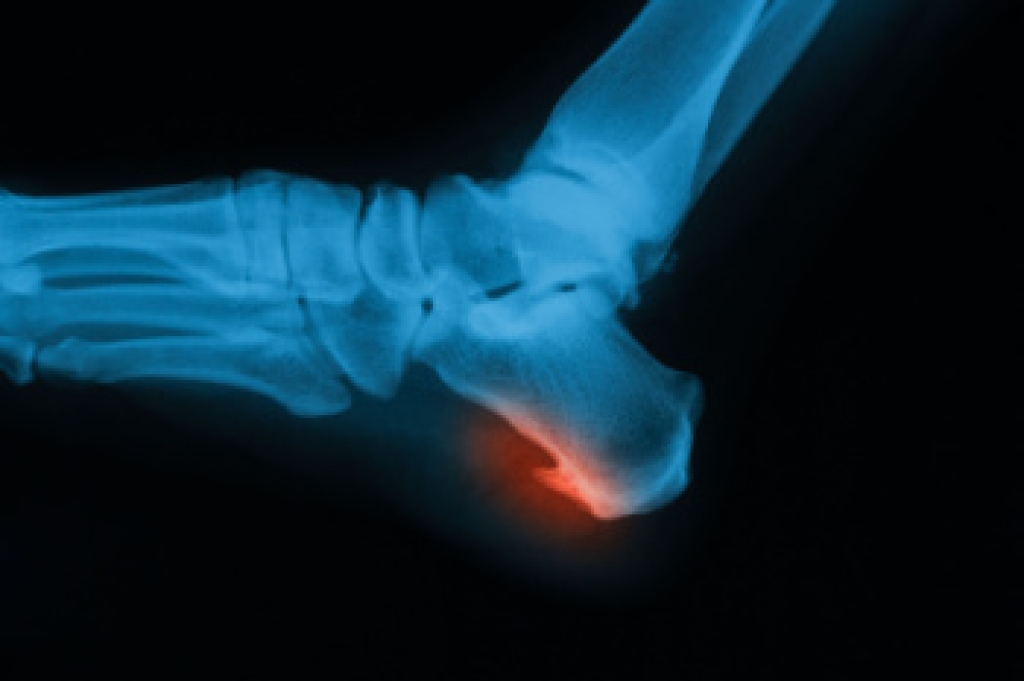
Heel spurs are bony growths that develop on the underside or back of the heel bone, often after repeated stress on the foot. They form gradually as calcium deposits build up where tissues attach to the bone. Heel spurs are sometimes associated with plantar fasciitis, which involves irritation of the thick band of tissue running along the bottom of the foot. Although the two problems may occur together, a heel spur does not always cause pain. Some people have heel spurs without noticing any symptoms. Repeated strain on the heel, changes in foot structure, and long periods of standing may contribute to their development. The heel absorbs pressure with every step, making it especially important for walking and balance. Understanding the difference between a heel spur and other sources of heel pain helps explain why an accurate diagnosis matters.
When heel spurs are associated with discomfort, pain is often felt beneath the heel during walking or standing. Some individuals describe a sharp sensation when taking their first steps after resting. Others experience a dull ache that becomes more noticeable after extended activity. However, this pain may come from irritated tissues surrounding the heel rather than the bony growth itself. Swelling or tenderness may develop when nearby structures are inflamed. Certain walking patterns and poorly fitting shoes may increase pressure on the affected area. Because heel pain has several possible causes, symptoms alone do not confirm the presence of a heel spur. Persistent discomfort may cause people to change how they walk, which can place additional strain on the foot. Identifying the exact source of pain is important for choosing appropriate treatment.
A podiatrist evaluates suspected heel spurs by examining the heel, assessing foot alignment, and reviewing when pain occurs. An X-ray may be used to identify a bony growth and assess the heel bone. Treatment focuses on the source of discomfort rather than the spur's appearance alone. Depending on the findings, a podiatrist may recommend supportive footwear, custom orthotics, or guided stretching to reduce strain on affected tissues. Orthotics are inserts designed to improve foot support and distribute pressure more evenly. Podiatric care also considers walking patterns and activity demands when developing a treatment plan. If you are experiencing persistent heel pain or suspect that a heel spur is affecting your mobility, it is suggested that you consult a podiatrist for an evaluation and appropriate treatment options.
Heel spurs can be incredibly painful and sometimes may make you unable to participate in physical activities. To get medical care for your heel spurs, contact one of our podiatrists from Active Foot and Ankle Care, LLC. Our doctors will do everything possible to treat your condition.
Heels Spurs
Heel spurs are formed by calcium deposits on the back of the foot where the heel is. This can also be caused by small fragments of bone breaking off one section of the foot, attaching onto the back of the foot. Heel spurs can also be bone growth on the back of the foot and may grow in the direction of the arch of the foot.
Older individuals usually suffer from heel spurs and pain sometimes intensifies with age. One of the main condition's spurs are related to is plantar fasciitis.
Pain
The pain associated with spurs is often because of weight placed on the feet. When someone is walking, their entire weight is concentrated on the feet. Bone spurs then have the tendency to affect other bones and tissues around the foot. As the pain continues, the feet will become tender and sensitive over time.
Treatments
There are many ways to treat heel spurs. If one is suffering from heel spurs in conjunction with pain, there are several methods for healing. Medication, surgery, and herbal care are some options.
If you have any questions, please feel free to contact our offices located in Fair Lawn, Riverdale, and Englewood, NJ . We offer the newest diagnostic and treatment technologies for all your foot care needs.