
An ankle fracture is a break in one or more of the bones that form the ankle joint, often causing pain, swelling, bruising, and difficulty bearing weight. It can appear suddenly after a fall, a sports injury, or a twisting motion that places stress on the joint beyond its limit. Common causes include missteps on uneven ground, high-impact activities, or accidents that force the ankle out of position. Recovery depends on the severity of the fracture, but proper diagnosis is essential. A podiatrist can evaluate the injury with imaging tests, determine if the bones are stable, and guide treatment such as immobilization or surgical repair. Care is focused on restoring alignment and preventing long- term issues. If you think you have fractured your ankle, it is suggested that you consult a podiatrist who can offer a diagnosis and effective treatment solutions.
test

If you are attempting to manage heel pain, such as from plantar fasciitis or heel spurs, custom orthotics may help you. Plantar fasciitis, resulting from strain on the plantar fascia, is notably painful and can stem from an inherent poor foot structure and function. Custom orthotics cater to these unique foot structures, promoting better function, supporting the foot's natural arch, and alleviating undue strain. It has been observed that those with high-arched feet, which inherently bear a lack of shock absorption, are more prone to plantar fasciitis. This lack of cushioning amplifies tension on the plantar fascia, especially around the heel. Custom orthotics target these very issues, adjusting foot mechanics to provide relief. While prefabricated supports can offer general comfort, they may fall short in addressing specific needs, especially for those individuals with high arches. If you have heel or foot pain, it is suggested that you make an appointment with a podiatrist to see if wearing custom-made orthotics can help to restore comfort.
Custom orthotics are often an effective solution for people experiencing heel pain, offering both comfort and correction for the underlying causes of discomfort. Heel pain commonly develops when the natural support of the foot becomes strained or imbalanced, leading to inflammation and irritation in the heel area. Conditions such as plantar fasciitis, heel spurs, or flat feet can all contribute to chronic heel pain that worsens with walking or standing. Custom orthotics are designed to fit the exact shape of your foot, providing the support and alignment necessary to reduce stress on the heel and surrounding tissues.
By redistributing pressure and improving overall foot mechanics, custom orthotics allow the heel to function more efficiently during movement. They cushion each step, absorb shock, and correct abnormal gait patterns that may be contributing to pain. Over time, this consistent support can ease inflammation, protect against re-injury, and enhance comfort during both daily and athletic activities.
Unlike prefabricated insoles, custom orthotics are created from a detailed evaluation that may include digital scans or molds of your feet. This ensures a precise and individualized fit that addresses your specific condition. They can be used in various types of footwear, from athletic shoes to dress styles, making them a versatile option for ongoing relief.
If heel pain is limiting your comfort or activity level, it is suggested that you call our office for more information or to schedule an appointment.
If you have any questions please contact our offices located in Fair Lawn, Riverdale, and Englewood, NJ .

Pitting edema is a type of swelling in the ankles or feet where pressing on the skin leaves a temporary indentation. This happens when extra fluid collects in the tissues. It may be linked to circulation problems, vein conditions, heart or kidney concerns, certain medications, or other medical issues. Some people notice tight shoes or swelling that worsens as the day goes on. Diagnosis starts with a physical examination, where a provider checks the amount of swelling and how long the indentation remains after pressure is applied. A podiatrist may also review medical history, symptoms, circulation, and skin changes, and may recommend additional testing when needed to help identify the cause. Because swelling can signal an underlying health concern, proper evaluation matters. If you have ongoing swelling in your feet or ankles, especially with discomfort or skin changes, it is strongly suggested that you visit a podiatrist for appropriate treatment solutions.
Swollen feet can be a sign of an underlying condition. If you have any concerns, contact one of our podiatrists of Active Foot and Ankle Care, LLC. Our doctors can provide the care you need to keep you pain-free and on your feet.
Swollen feet are a common ailment among pregnant women and people who stand or sit for extended periods. Aging may increase the possibility of swollen feet and patients who are obese often notice when their feet are swelling too. There may be medical reasons why swollen feet occur:
Swollen feet can also be caused by bone and tendon conditions, including fractures, arthritis, and tendinitis. Additionally, there may be skin and toenail conditions and an infection may cause the feet to swell. Patients who take medicine to treat high blood pressure may be prone to getting swollen feet.
Many patients elevate their feet to help relieve the swelling and this is generally a temporary remedy. When a podiatrist is consulted the reason behind the swelling can be uncovered and subsequently treated.
If you have any questions please contact our offices located in Fair Lawn, Riverdale, and Englewood, NJ . We offer the newest diagnostic and treatment technologies for all your foot and ankle needs.

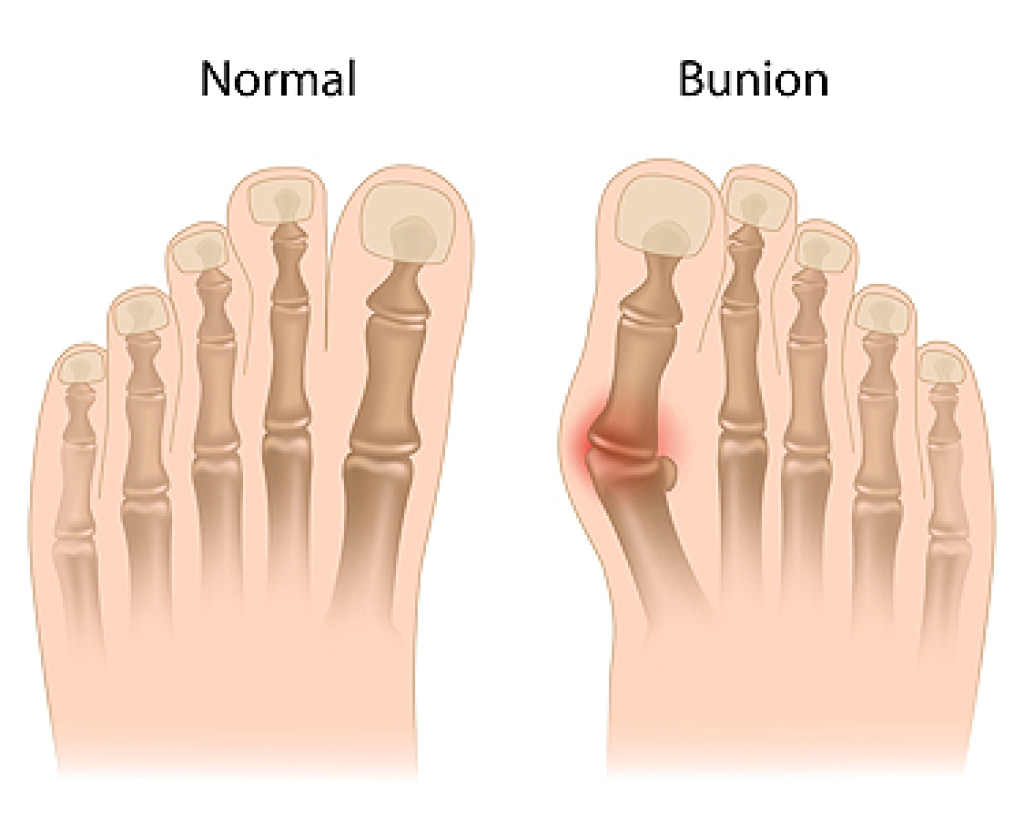
Mueller-Weiss disease is a rare foot condition that affects the navicular bone in the midfoot. It can lead to ongoing pain and changes in foot structure. The navicular bone helps in shock absorption and stability during movement. It is believed to develop when the bone does not receive enough blood flow and is placed under uneven pressure, which may cause it to weaken. People with this condition often notice aching or stiffness in the middle of the foot, especially while walking or during activity. Risk factors include unusual foot mechanics, repetitive stress, or developmental factors affecting the bone. Without proper care, symptoms can gradually worsen and impact daily mobility. A podiatrist can carefully evaluate the foot, confirm the diagnosis with imaging, and create a treatment plan that may include supportive devices or activity changes. If midfoot pain continues, it is suggested that you consult a podiatrist who can offer effective relief and management tips.
Some foot conditions may require additional professional care. If you have any concerns, contact one of our podiatrists of Active Foot and Ankle Care, LLC. Our doctors can provide the care you need to keep you pain-free and on your feet.
Rare Foot Conditions
The majority of foot conditions are common and can be treated by a podiatrist. Standard diagnostic procedures are generally used to identify specific conditions and treatment can be rendered. A podiatrist also treats rare foot conditions which can be difficult to diagnose and may need extra attention and care.
There are many rare foot conditions that can affect children. Some of these can include:
Freiberg’s disease - This can be seen as a deterioration and flattening of a metatarsal bone that exists in the ball of the foot. It typically affects pre-teen and teenage girls, but can affect anyone at any age. Symptoms that can accompany this can be swelling, stiffness, and the patient may limp.
Kohler’s disease - This often targets the bone in the arch of the foot and affects younger boys. It can lead to an interruption of the blood supply which ultimately can lead to bone deterioration. The patient may limp or experience tenderness, swelling, and redness.
Maffucci syndrome - This affects the long bones in a child’s foot leading to the development of abnormal bone lesions. They are benign growths and typically develop in early childhood and the bones may be susceptible to breaking.
A podiatrist can properly diagnose and treat all types of rare foot conditions. If your child is affected by any of these symptoms or conditions, please don’t hesitate to call our office so the correct treatment method can begin.
If you have any questions, please feel free to contact our offices located in Fair Lawn, Riverdale, and Englewood, NJ . We offer the newest diagnostic and treatment technologies for all your foot care needs.

Inflammatory arthritis can affect the feet early in the course of disease, causing pain, swelling, stiffness, and difficulty with walking. Unlike wear-and-tear arthritis, this type of joint inflammation happens when the immune system mistakenly attacks healthy tissue. Conditions such as rheumatoid arthritis, psoriatic arthritis, and other autoimmune disorders may involve the feet and ankles, sometimes affecting multiple joints at once. People may notice morning stiffness, tenderness, warmth, or changes in foot shape, over time. Because the feet contain many small joints, inflammation can significantly affect movement and daily comfort. A podiatrist can help identify areas of joint involvement, evaluate walking mechanics, recommend supportive treatment, and work alongside other medical providers as part of overall care. Early attention may help reduce discomfort and limit long-term joint damage. If you have ongoing foot pain, swelling, and stiffness, it is suggested that you visit a podiatrist for a proper diagnosis and effective relief options.
Arthritis can be a difficult condition to live with. If you are seeking treatment, contact one of our podiatrists from Active Foot and Ankle Care, LLC. Our doctors can provide the care you need to keep you pain-free and on your feet.
Arthritic Foot Care
Arthritis is a joint disorder that involves the inflammation of different joints in your body, such as those in your feet. Arthritis is often caused by a degenerative joint disease and causes mild to severe pain in all affected areas. In addition to this, swelling and stiffness in the affected joints can also be a common symptom of arthritis.
In many cases, wearing ill-fitting shoes can worsen the effects and pain of arthritis. Wearing shoes that have a lower heel and extra room can help your feet feel more comfortable. In cases of rheumatoid arthritis, the arch in your foot may become problematic. Buying shoes with proper arch support that contour to your feet can help immensely.
Alleviating Arthritic Pain
It is best to see your doctor for the treatment that is right for your needs and symptoms. Conditions vary, and a podiatrist can help you determine the right method of care for your feet.
If you have any questions please feel free to contact our offices located in Fair Lawn, Riverdale, and Englewood, NJ . We offer the newest diagnostic tools and technology to treat your foot and ankle needs.

Embrace the great outdoors with confidence and comfort! Whether you're hiking, jogging, or exploring nature, Custom Orthotics are your perfect companion. Tailored to your foot's unique needs, they provide stability on uneven terrains and cushioning for those longer adventures. Don't let foot discomfort limit your outdoor experiences. With Custom Orthotics, every step is supported and secure. Call today to schedule an appointment.

Sever’s disease is a heel condition that affects active growing children, most often between the ages of nine and 14. It develops in the growth plate of the heel, which is a softer area of bone that has not yet hardened. During growth spurts, bones can lengthen faster than muscles and tendons. This can cause the calf muscle and Achilles tendon to tighten and pull on the back of the child’s heel. Repeated stress from running and jumping can irritate this area and lead to pain and swelling. Symptoms include heel pain during activity, limping, or discomfort when rising onto the toes. A podiatrist can examine the foot, assess tendon tightness, and determine the exact cause of the pain. Imaging may be used to rule out other problems. If your active child complains of heel pain, it is suggested that you schedule an appointment with a podiatrist for a diagnosis and appropriate relief tips.
Sever's disease often occurs in children and teens. If your child is experiencing foot or ankle pain, see one of our podiatrists from Active Foot and Ankle Care, LLC. Our doctors can treat your child’s foot and ankle needs.
Sever’s Disease
Sever’s disease is also known as calcaneal apophysitis, which is a medical condition that causes heel pain I none or both feet. The disease is known to affect children between the ages of 8 and 14.
Sever’s disease occurs when part of the child’s heel known as the growth plate (calcaneal epiphysis) is attached to the Achilles tendon. This area can suffer injury when the muscles and tendons of the growing foot do not keep pace with bone growth. Therefore, the constant pain which one experiences at the back of the heel will make the child unable to put any weight on the heel. The child is then forced to walk on their toes.
Symptoms
Acute pain – Pain associated with Sever’s disease is usually felt in the heel when the child engages in physical activity such as walking, jumping and or running.
Highly active – Children who are very active are among the most susceptible in experiencing Sever’s disease, because of the stress and tension placed on their feet.
If you have any questions, please feel free to contact our offices located in Fair Lawn, Riverdale, and Englewood, NJ . We offer the newest diagnostic and treatment technologies for all your foot care needs.

Many people experience foot pain, fatigue, or discomfort that affects daily life without realizing that custom foot orthotics can offer lasting relief. These devices are designed to support proper alignment, reduce pressure, and improve how the feet function during movement. Some orthotics provide cushioning for shock absorption, while others focus on correcting biomechanical imbalances or offering firm support for conditions like flat feet or high arches. By improving the way your feet interact with the ground, orthotics can also ease strain on the ankles, knees, hips, and lower back. A podiatrist can evaluate your foot structure, gait, and lifestyle to determine the most suitable type of orthotic for your needs. If you have foot pain, it is suggested that you consult a podiatrist who can determine the cause and discuss the benefits of custom-made orthotics with you.
Custom orthotics can make a remarkable difference in daily comfort and mobility by supporting the feet in their most natural and balanced position. Because the feet form the foundation for the entire body, any imbalance can affect not only how a person walks, but also how the knees, hips, and spine align. Over time, this can lead to fatigue, pain, or reduced movement. Custom orthotics are designed to restore stability and promote proper alignment, which can transform the way a person feels and functions throughout the day.
People who wear custom orthotics often experience improved posture, less joint strain, and greater endurance during work, exercise, and leisure activities. The support they provide helps relieve chronic discomfort from conditions such as plantar fasciitis, flat feet, and heel pain, while also reducing the risk of future injuries. For those who stand for long hours or engage in sports, orthotics can make movement smoother and more efficient, allowing the body to perform at its best without unnecessary stress.
Each pair of custom orthotics is created after a detailed evaluation of foot structure, gait, and pressure distribution. By addressing each person’s unique needs, they offer comfort and confidence with every step.
If you are experiencing ongoing foot discomfort or fatigue, it is suggested that you contact our office for more information or to make an appointment.
If you have any questions, please feel free to contact our offices located in Fair Lawn, Riverdale, and Englewood, NJ .

Foot problems that result from diabetes can develop when high blood sugar damages nerves and reduces blood flow to the feet. This can cause numbness, burning, tingling, or loss of feeling. These make it harder to notice cuts, blisters, or pressure points. Poor circulation can also slow healing and raise the risk of infection. Diabetic foot problems include ulcers, calluses, and infections that can lead to limb loss if not treated early. Wearing Ill-fitting shoes and repeated minor injuries can make these problems worse. A podiatrist can examine the feet, check circulation and nerve function, and treat wounds that will not heal. They can also safely remove thickened skin, provide guidance on proper footwear, and prescribe custom inserts or casts to reduce pressure. Regular foot exams are needed to prevent serious complications in diabetics. If you have developed foot problems related to diabetes, it is suggested that you schedule an appointment with a podiatrist for a diagnosis and ongoing treatment.
Diabetic foot care is important in preventing foot ailments such as ulcers. If you are suffering from diabetes or have any other concerns about your feet, contact one of our podiatrists from Active Foot and Ankle Care, LLC. Our doctors can provide the care you need to keep you pain-free and on your feet.
Diabetic Foot Care
Diabetes affects millions of people every year. The condition can damage blood vessels in many parts of the body, especially the feet. Because of this, taking care of your feet is essential if you have diabetes, and having a podiatrist help monitor your foot health is highly recommended.
The Importance of Caring for Your Feet
Patients with diabetes should have their doctor monitor their blood levels, as blood sugar levels play such a huge role in diabetic care. Monitoring these levels on a regular basis is highly advised.
It is always best to inform your healthcare professional of any concerns you may have regarding your feet, especially for diabetic patients. Early treatment and routine foot examinations are keys to maintaining proper health, especially because severe complications can arise if proper treatment is not applied.
If you have any questions, please feel free to contact our offices located in Fair Lawn, Riverdale, and Englewood, NJ . We offer the newest diagnostic and treatment technologies for all your foot care needs.

Articular fractures in the foot are breaks that extend into a joint, which makes them more serious than typical fractures. Since joints allow smooth movement between bones, damage in this area can lead to stiffness, pain, or even arthritis if not handled properly. Doctors usually begin by using imaging tools like X-rays or CT scans to see how severe the injury is. For mild cases, treatment may include rest, wearing a cast or boot, and avoiding putting weight on the foot. More serious fractures often need surgery to realign the joint and hold the bones in place with screws or plates. Recovery doesn’t stop there. Targeted exercise plays a big role in regaining strength and flexibility. If you suspect a foot injury, it is suggested that you seek care from a podiatrist early to protect your mobility and long-term health.
A broken foot requires immediate medical attention and treatment. If you need your feet checked, contact one of our podiatrists from Active Foot and Ankle Care, LLC. Our doctors can provide the care you need to keep you pain-free and on your feet.
Broken Foot Causes, Symptoms, and Treatment
A broken foot is caused by one of the bones in the foot typically breaking when bended, crushed, or stretched beyond its natural capabilities. Usually the location of the fracture indicates how the break occurred, whether it was through an object, fall, or any other type of injury.
Common Symptoms of Broken Feet:
Those that suspect they have a broken foot shoot seek urgent medical attention where a medical professional could diagnose the severity.
Treatment for broken bones varies depending on the cause, severity and location. Some will require the use of splints, casts or crutches while others could even involve surgery to repair the broken bones. Personal care includes the use of ice and keeping the foot stabilized and elevated.
If you have any questions, please feel free to contact our offices located in Fair Lawn, Riverdale, and Englewood, NJ . We offer the newest diagnostic and treatment technologies for all your foot care needs.

Maintaining foot strength and flexibility becomes increasingly important with age, as it helps support balance, mobility, and overall comfort. Regular movement encourages circulation, reduces stiffness, and can lower the risk of common issues associated with conditions like osteoarthritis. Walking is one of the easiest and most effective activities, promoting blood flow and keeping joints active without excessive strain. Heel and toe lifts are another helpful exercise to strengthen the muscles in the feet and lower legs while improving stability when standing or moving. Ankle pumps, performed by gently flexing and pointing the feet, can enhance circulation and reduce swelling, especially after long periods of sitting. Incorporating these simple exercises into a daily routine can support healthier, more resilient feet, and help maintain independence and comfort over time. If you experience ongoing discomfort or mobility issues, it is suggested that you consult a podiatrist for personalized guidance and care.
Poor circulation is a serious condition and needs immediate medical attention. If you have any concerns with poor circulation in your feet contact one of our podiatrists of Active Foot and Ankle Care, LLC. Our doctors will treat your foot and ankle needs.
Poor Circulation in the Feet
Poor blood circulation in the feet and legs is can be caused by peripheral artery disease (PAD), which is the result of a buildup of plaque in the arteries.
Plaque buildup or atherosclerosis results from excess calcium and cholesterol in the bloodstream. This can restrict the amount of blood which can flow through the arteries. Poor blood circulation in the feet and legs are sometimes caused by inflammation in the blood vessels, known as vasculitis.
Causes
Lack of oxygen and oxygen from poor blood circulation restricts muscle growth and development. It can also cause:
Those who have diabetes or smoke are at greatest risk for poor circulation, as are those who are over 50. If you have poor circulation in the feet and legs it may be caused by PAD and is important to make changes to your lifestyle in order to reduce risk of getting a heart attack or stroke. Exercise and maintaining a healthy lifestyle will dramatically improve conditions.
As always, see a podiatrist as he or she will assist in finding a regimen that suits you. A podiatrist can also prescribe you any needed medication.
If you have any questions, please feel free to contact our offices located in Fair Lawn, Riverdale, and Englewood, NJ . We offer the newest diagnostic and treatment technologies for all your foot care needs.