






Achilles tendonitis is a common injury in runners, often linked to repetitive stress on the thick tendon that connects the calf muscles to the heel. Early signs include stiffness in the morning, aching at the back of the ankle, or tenderness when beginning a run. With continued strain, the discomfort can worsen, making even walking or climbing stairs uncomfortable. Risk factors include sudden increases in mileage, uphill training, tight calf muscles, or worn shoes that fail to support the foot properly. Rest and gentle stretching may ease mild cases, while wearing supportive footwear and orthotics can help prevent recurrence. Severe or long-lasting pain may require more advanced treatment, including targeted exercise. If you are a runner struggling with persistent Achilles tendon pain, it is suggested that you consult a podiatrist for a proper evaluation and care plan.
Achilles tendon injuries need immediate attention to avoid future complications. If you have any concerns, contact one of our podiatrists of Active Foot and Ankle Care, LLC. Our doctors can provide the care you need to keep you pain-free and on your feet.
What Is the Achilles Tendon?
The Achilles tendon is a tendon that connects the lower leg muscles and calf to the heel of the foot. It is the strongest tendon in the human body and is essential for making movement possible. Because this tendon is such an integral part of the body, any injuries to it can create immense difficulties and should immediately be presented to a doctor.
What Are the Symptoms of an Achilles Tendon Injury?
There are various types of injuries that can affect the Achilles tendon. The two most common injuries are Achilles tendinitis and ruptures of the tendon.
Achilles Tendinitis Symptoms
Rupture Symptoms
Treatment and Prevention
Achilles tendon injuries are diagnosed by a thorough physical evaluation, which can include an MRI. Treatment involves rest, physical therapy, and in some cases, surgery. However, various preventative measures can be taken to avoid these injuries, such as:
If you have any questions please feel free to contact our offices located in Fair Lawn, Riverdale, and Englewood, NJ . We offer the newest diagnostic tools and technology to treat your foot and ankle needs.

Customized foot orthotics can be an effective tool in managing Achilles tendinopathy by improving foot alignment, reducing strain on the tendon, and promoting a more balanced gait. They work by supporting the arches, correcting biomechanical issues, and absorbing shock during walking or running, which helps reduce irritation and allows the tendon to heal. A podiatrist can assess your foot structure, movement patterns, and activity demands to design orthotics tailored to your needs. This personalized approach not only addresses current symptoms, but also helps prevent recurrence. If you are struggling with persistent heel or lower leg pain, it is suggested that you consult a podiatrist who can guide you toward effective healing techniques, which may include custom-made orthotics.
Custom orthotics are specialized shoe inserts created to support and align the feet according to each person’s unique structure and walking pattern. They are an effective way to relieve foot discomfort caused by conditions such as flat feet, high arches, plantar fasciitis, bunions, and heel pain. When the natural alignment of the foot is off balance, it can lead to pressure points, strain, and pain that affect how a person stands, walks, and moves. Orthotics work by redistributing weight evenly and supporting the arch to reduce stress on the muscles, tendons, and joints of the feet and lower legs.
Foot discomfort can develop for many reasons, including wearing improper footwear, long hours of standing, repetitive motion, or underlying structural problems. Over time, this discomfort can extend beyond the feet, contributing to knee, hip, or lower back pain. Custom orthotics help correct these issues by improving alignment and promoting more efficient movement. They are made using precise measurements and imaging to ensure the best fit for each patient, providing targeted support and cushioning where it is needed most.
Unlike generic insoles, custom orthotics are durable, medically designed, and tailored to your specific needs. Whether you are managing chronic pain, recovering from an injury, or simply seeking better comfort and stability, orthotics can make a noticeable difference in how your feet feel throughout the day.
If you are experiencing persistent foot discomfort or fatigue, it may be time to have your feet evaluated by a podiatrist. Call our office today for more information or to schedule an appointment.
If you have any questions, please feel free to contact our offices located in Fair Lawn, Riverdale, and Englewood, NJ .

An ingrown toenail occurs when the edge of the nail grows into the surrounding skin, often causing pain, redness, swelling, and sometimes infection. Common causes include improper nail trimming, wearing tight footwear, or genetic factors. It may throb or feel tender, and can appear inflamed or filled with pus, if infected. The condition, which most frequently affects the big toe, may worsen without proper care. A podiatrist can diagnose an ingrown toenail through a physical examination and medical history. Depending on severity, treatment may include soaking instructions, lifting the nail edge, partial nail removal, or, in chronic cases, removing part of the nail root. Antibiotics might be prescribed if an infection is present. A podiatrist may also advise on proper foot hygiene and footwear to prevent recurrence. If you notice symptoms of an ingrown toenail, it is suggested that you schedule an appointment with a podiatrist to avoid complications, ensuring proper care.
Ingrown toenails may initially present themselves as a minor discomfort, but they may progress into an infection in the skin without proper treatment. For more information about ingrown toenails, contact one of our podiatrists of Active Foot and Ankle Care, LLC. Our doctors can provide the care you need to keep you pain-free and on your feet.
Ingrown Toenails
Ingrown toenails are caused when the corner or side of a toenail grows into the soft flesh surrounding it. They often result in redness, swelling, pain, and in some cases, infection. This condition typically affects the big toe and may recur if it is not treated properly.
Causes
You are more likely to develop an ingrown toenail if you are obese, have diabetes, arthritis, or have any fungal infection in your nails. Additionally, people who have foot or toe deformities are at a higher risk of developing an ingrown toenail.
Symptoms
Some symptoms of ingrown toenails are redness, swelling, and pain. In rare cases, there may be a yellowish drainage coming from the nail.
Treatment
Ignoring an ingrown toenail can have serious complications. Infections of the nail border can progress to a deeper soft-tissue infection, which can then turn into a bone infection. You should always speak with your podiatrist if you suspect you have an ingrown toenail, especially if you have diabetes or poor circulation.
If you have any questions, please feel free to contact our offices located in Fair Lawn, Riverdale, and Englewood, NJ . We offer the newest diagnostic and treatment technologies for all your foot care needs.

Custom orthotics, or shoe inserts, should be periodically replaced. Orthotics must fit properly to give you the best results. Protect your feet and ankles!

A broken foot is a serious injury that can result from trauma such as a fall, car accident, or sudden impact during sports or daily activities. Symptoms include immediate pain, swelling, difficulty walking, and sometimes a visible deformity. The area may feel tender, appear misshapen, or become discolored. In some cases, people may mistake a fracture for a sprain, which is why accurate diagnosis is essential. A podiatrist can evaluate the injury using a physical exam and imaging, such as X-rays, to determine the severity and location of the break. Treatment includes immobilization with a cast or boot, crutches, or in more complex cases, surgical intervention. Healing time typically ranges from six to eight weeks, depending on the type of fracture and the patient’s overall health. Early treatment can prevent complications and promote faster recovery. If you suspect a foot fracture, it is suggested that you make an appointment with a podiatrist for proper care.
A broken foot requires immediate medical attention and treatment. If you need your feet checked, contact one of our podiatrists from Active Foot and Ankle Care, LLC. Our doctors can provide the care you need to keep you pain-free and on your feet.
Broken Foot Causes, Symptoms, and Treatment
A broken foot is caused by one of the bones in the foot typically breaking when bended, crushed, or stretched beyond its natural capabilities. Usually the location of the fracture indicates how the break occurred, whether it was through an object, fall, or any other type of injury.
Common Symptoms of Broken Feet:
Those that suspect they have a broken foot shoot seek urgent medical attention where a medical professional could diagnose the severity.
Treatment for broken bones varies depending on the cause, severity and location. Some will require the use of splints, casts or crutches while others could even involve surgery to repair the broken bones. Personal care includes the use of ice and keeping the foot stabilized and elevated.
If you have any questions, please feel free to contact our offices located in Fair Lawn, Riverdale, and Englewood, NJ . We offer the newest diagnostic and treatment technologies for all your foot care needs.

Chronic ankle instability is a condition where the ankle frequently gives way, especially during physical activity or walking on uneven surfaces. It often develops from recurrent ankle sprains, multiple ligament injuries, or even a first-time ankle sprain at a young age that did not heal properly. Symptoms may include persistent swelling, pain, and a feeling of weakness or looseness in the ankle. A podiatrist can help by assessing joint stability, taking radiographic images, prescribing strengthening exercises, fitting supportive orthotics, and providing treatments to improve balance and prevent future injuries. If chronic ankle instability is limiting your mobility or causing repeated sprains, it is suggested that you consult a podiatrist who can help you to manage this condition.
Ankle pain can have many different causes and the pain may potentially be serious. If you have ankle pain, consult with one of our podiatrists from Active Foot and Ankle Care, LLC. Our doctors will assess your condition and provide you with quality foot and ankle treatment.
Ankle pain is any condition that causes pain in the ankle. Due to the fact that the ankle consists of tendons, muscles, bones, and ligaments, ankle pain can come from a number of different conditions.
Causes
The most common causes of ankle pain include:
Symptoms
Symptoms of ankle injury vary based upon the condition. Pain may include general pain and discomfort, swelling, aching, redness, bruising, burning or stabbing sensations, and/or loss of sensation.
Diagnosis
Due to the wide variety of potential causes of ankle pain, podiatrists will utilize a number of different methods to properly diagnose ankle pain. This can include asking for personal and family medical histories and of any recent injuries. Further diagnosis may include sensation tests, a physical examination, and potentially x-rays or other imaging tests.
Treatment
Just as the range of causes varies widely, so do treatments. Some more common treatments are rest, ice packs, keeping pressure off the foot, orthotics and braces, medication for inflammation and pain, and surgery.
If you have any questions please feel free to contact our offices located in Fair Lawn, Riverdale, and Englewood, NJ . We offer the newest diagnostic tools and technology to treat your foot and ankle needs.

Struggling with heel pain? Discover the relief Custom Orthotics can bring. Customized to your foot's unique structure, Custom Orthotics offer targeted support, alleviating pressure points and redistributing weight. This means reduced heel pain and a more comfortable step, every time. Whether you're walking, working, or working out, Custom Orthotics ensure your heels feel cushioned and cared for. Experience the transformative power of Custom Orthotics with us today! Call today for more information.

A bunion is a bony bump that forms at the base of the big toe as the tip of the toe shifts inward toward the others. Common causes include genetics, wearing tight or narrow shoes, arthritis, and foot structure abnormalities. Symptoms typically involve pain, swelling, redness, and difficulty walking, along with visible changes in foot shape. Bunions can feel sore, stiff, or even numb, and may worsen over time, if left untreated. A podiatrist can help by evaluating the severity of the bunion and developing a personalized treatment plan. Options include footwear recommendations, custom orthotics, pain relief strategies, or, in more advanced cases, bunion surgery. Early intervention is key to preventing long-term discomfort and deformity. If you have a painful bunion, it is suggested that you schedule an appointment with a podiatrist who can offer effective relief and treatment solutions.
If you are suffering from bunions, contact one of our podiatrists of Active Foot and Ankle Care, LLC. Our doctors can provide the care you need to keep you pain-free and on your feet.
What Is a Bunion?
A bunion is formed of swollen tissue or an enlargement of boney growth, usually located at the base joint of the toe that connects to the foot. The swelling occurs due to the bones in the big toe shifting inward, which impacts the other toes of the foot. This causes the area around the base of the big toe to become inflamed and painful.
Why Do Bunions Form?
Genetics – Susceptibility to bunions are often hereditary
Stress on the feet – Poorly fitted and uncomfortable footwear that places stress on feet, such as heels, can worsen existing bunions
How Are Bunions Diagnosed?
Podiatrists often perform two tests – blood tests and x-rays – when trying to diagnose bunions, especially in the early stages of development. Blood tests help determine if the foot pain is being caused by something else, such as arthritis, while x-rays provide a clear picture of your bone structure to your provider.
How Are Bunions Treated?
If you have any questions, please feel free to contact our offices located in Fair Lawn, Riverdale, and Englewood, NJ . We offer the newest diagnostic and treatment technologies for all your foot care needs.

Suffering from this type of pain? You may have the foot condition known as Morton's neuroma. Morton's neuroma may develop as a result of ill-fitting footwear and existing foot deformities. We can help.

Pes planus, or flat feet, affects the structure and function of the foot, but the condition presents differently from one person to another. Arch height, foot mechanics, and overall alignment vary, which means a one-size-fits-all approach is rarely effective. For this reason, treatment should be tailored to the individual. Custom orthotics are crafted to support the unique shape and needs of each foot, helping to redistribute pressure and promote better movement. By improving how weight is carried through the foot, these insoles may reduce discomfort and help restore more natural foot function. Over time, they may also support better posture and performance in daily or athletic activities. While not a cure, custom orthotics offer a practical and noninvasive option for managing pes planus. If you are experiencing symptoms related to flat feet, it is suggested that you visit a podiatrist to discuss personalized treatment options.
Custom orthotics are often an effective solution for people experiencing heel pain, offering both comfort and correction for the underlying causes of discomfort. Heel pain commonly develops when the natural support of the foot becomes strained or imbalanced, leading to inflammation and irritation in the heel area. Conditions such as plantar fasciitis, heel spurs, or flat feet can all contribute to chronic heel pain that worsens with walking or standing. Custom orthotics are designed to fit the exact shape of your foot, providing the support and alignment necessary to reduce stress on the heel and surrounding tissues.
By redistributing pressure and improving overall foot mechanics, custom orthotics allow the heel to function more efficiently during movement. They cushion each step, absorb shock, and correct abnormal gait patterns that may be contributing to pain. Over time, this consistent support can ease inflammation, protect against re-injury, and enhance comfort during both daily and athletic activities.
Unlike prefabricated insoles, custom orthotics are created from a detailed evaluation that may include digital scans or molds of your feet. This ensures a precise and individualized fit that addresses your specific condition. They can be used in various types of footwear, from athletic shoes to dress styles, making them a versatile option for ongoing relief.
If heel pain is limiting your comfort or activity level, it is suggested that you call our office for more information or to schedule an appointment.
If you have any questions please contact our offices located in Fair Lawn, Riverdale, and Englewood, NJ .

Plantar fasciitis is the inflammation of the plantar fascia, a thick band of tissue that runs along the bottom of the foot, connecting the heel to the toes. It is often caused by repetitive strain, prolonged standing, or wearing unsupportive footwear. Risk factors include high arches, flat feet, obesity, and increased activity levels. Symptoms typically include sharp heel pain, especially during the first steps in the morning or after rest. A podiatrist can diagnose the condition, recommend stretching exercises, prescribe custom orthotics, and suggest footwear changes. If you are experiencing heel pain that interferes with daily activities, it is suggested that you consult a podiatrist for a diagnosis and treatment.
Plantar fasciitis can be very painful and inconvenient. If you are experiencing heel pain or symptoms of plantar fasciitis, contact one of our podiatrists from Active Foot and Ankle Care, LLC. Our doctors can provide the care you need to keep you pain-free and on your feet.
What Is Plantar Fasciitis?
Plantar fasciitis is the inflammation of the thick band of tissue that runs along the bottom of your foot, known as the plantar fascia, and causes mild to severe heel pain.
What Causes Plantar Fasciitis?
How Can It Be Treated?
While very treatable, plantar fasciitis is definitely not something that should be ignored. Especially in severe cases, speaking to your doctor right away is highly recommended to avoid complications and severe heel pain. Your podiatrist can work with you to provide the appropriate treatment options tailored to your condition.
If you have any questions, please feel free to contact our offices located in Fair Lawn, Riverdale, and Englewood, NJ . We offer the newest diagnostic and treatment technologies for all your foot care needs.

Pain in the big toe can change the way a person walks, especially when caused by a stiff joint at the base of the toe, a condition known as hallux rigidus. This problem develops when the big toe joint wears down over time, making it harder and more painful when it bends. Since this joint helps push the foot off the ground with each step, limited movement often forces people to shift weight to the outside of the foot or avoid rolling through the toes. This change in walking pattern, or gait, can strain other parts of the foot, including the smaller toes, the arch, and the ankle. Over time, this may lead to pain, muscle soreness, or even problems with balance. Some people also notice swelling or a bump on top of the toe joint. A podiatrist can check how the big toe joint moves, look for signs of wear, and offer treatment. Options include medication, shoe support, or surgery, if the joint is badly damaged. If you are experiencing pain in the big toe when you take a step, it is suggested that you schedule an appointment with a podiatrist for an exam, diagnosis, and appropriate treatment.
Toe pain can disrupt your daily activities. If you have any concerns, contact one of our podiatrists of Active Foot and Ankle Care, LLC. Our doctors can provide the care you need to keep you pain-free and on your feet.
What Causes Toe Pain?
Most severe toe pain is caused due to a sports injury, trauma from dropping something heavy on the toe, or bumping into something rigid. Other problems can develop over time for various reasons.
Toe pain can be caused by one or more ailments. The most common include:
When to See a Podiatrist
Diagnosis
In many cases the cause of toe pain is obvious, but in others, a podiatrist may want to use more advanced methods to determine the problem. These can range from simple visual inspections and sensation tests to X-rays and MRI scans. Prior medical history, family medical history, and any recent physical traumatic events will all be taken into consideration for a proper diagnosis.
Treatment
Treatments for toe pain and injuries vary and may include shoe inserts, padding, taping, medicines, injections, and in some cases, surgery. If you believe that you have broken a toe, please see a podiatrist as soon as possible.
If you have any questions please contact our offices located in Fair Lawn, Riverdale, and Englewood, NJ . We offer the newest diagnostic and treatment technologies for all your foot and ankle needs.

Hammertoe is a foot deformity where one or more toes become permanently bent at the middle joint, resembling a hammer. This condition is often caused by muscle imbalance, wearing tight or ill-fitting shoes, or injury. Risk factors include genetics, arthritis, and high arches. Symptoms may include pain, corns or calluses on the toe, difficulty walking, and swelling. If left untreated, hammertoe can become rigid and more painful. A podiatrist can diagnose hammertoe through physical examination and recommend treatments such as custom orthotics, shoe modifications, or surgery if necessary. If you experience toe discomfort or notice deformities, it is suggested that you consult a podiatrist who can accurately diagnose hammertoe, and offer appropriate treatment solutions.
Hammertoe
Hammertoes can be a painful condition to live with. For more information, contact one of our podiatrists from Active Foot and Ankle Care, LLC. Our doctors will answer any of your foot- and ankle-related questions.
Hammertoe is a foot deformity that affects the joints of the second, third, fourth, or fifth toes of your feet. It is a painful foot condition in which these toes curl and arch up, which can often lead to pain when wearing footwear.
Symptoms
Causes
Genetics – People who are genetically predisposed to hammertoe are often more susceptible
Arthritis – Because arthritis affects the joints in your toes, further deformities stemming from arthritis can occur
Trauma – Direct trauma to the toes could potentially lead to hammertoe
Ill-fitting shoes – Undue pressure on the front of the toes from ill-fitting shoes can potentially lead to the development of hammertoe
Treatment
Orthotics – Custom made inserts can be used to help relieve pressure placed on the toes and therefore relieve some of the pain associated with it
Medications – Oral medications such as anti-inflammatories or NSAIDs could be used to treat the pain and inflammation hammertoes causes. Injections of corticosteroids are also sometimes used
Surgery – In more severe cases where the hammertoes have become more rigid, foot surgery is a potential option
If you have any questions, please feel free to contact our offices located in Fair Lawn, Riverdale, and Englewood, NJ . We offer the newest diagnostic and treatment technologies for all your foot care needs.
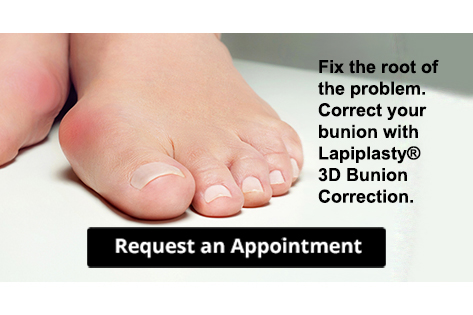
Tired of your bunion? Do more than just remove "the bump" — address your bunion in three dimensions to correct the root of the problem. Consider Lapiplasty® 3D Bunion Correction. Using advanced fixation technology to secure the correction in place, patients can walk within days of surgery.
