






Blisters are fluid-filled pockets of skin that often occur on the feet as a result of friction. When a blister forms, you should avoid popping it, because draining the liquid within the blister leaves the raw skin beneath it exposed and vulnerable to infection. However, sometimes a blister pops or tears open on its own. When this happens, start with washing the area gently with clean water. Then, carefully smooth the flap of skin left behind from the popped blister over the tender, exposed skin beneath. Do not remove this flap of skin unless it is very dirty, torn, or has pus underneath it. Cover the area with a thin layer of petroleum jelly and a nonstick bandage. It is then a good idea to have the blister checked out by a podiatrist. If you have a particularly painful blister, notice signs of infection, or are prone to foot blisters, it is suggested that you make an appointment with a podiatrist.
Blisters are prone to making everyday activities extremely uncomfortable. If your feet are hurting, contact one of our podiatrists of Active Foot and Ankle Care, LLC. Our doctors can provide the care you need to keep you pain-free and on your feet.
Foot Blisters
Foot blisters develop as a result of constantly wearing tight or ill-fitting footwear. This happens due to the constant rubbing from the shoe, which can often lead to pain.
What Are Foot Blisters?
A foot blister is a small fluid-filled pocket that forms on the upper-most layer of the skin. Blisters are filled with clear fluid and can lead to blood drainage or pus if the area becomes infected.
How Do Blisters Form?
Blisters on the feet are often the result of constant friction of skin and material, usually by shoe rubbing. Walking in sandals, boots, or shoes that don’t fit properly for long periods of time can result in a blister. Having consistent foot moisture and humidity can easily lead to blister formation.
Prevention & Treatment
It is important to properly care for the affected area in order to prevent infection and ease the pain. Do not lance the blister and use a Band-Aid to provide pain relief. Also, be sure to keep your feet dry and wear proper fitting shoes. If you see blood or pus in a blister, seek assistance from a podiatrist.
If you have any questions, please feel free to contact our offices located in Fair Lawn, Riverdale, and Englewood, NJ . We offer the newest diagnostic and treatment technologies for all your foot care needs.
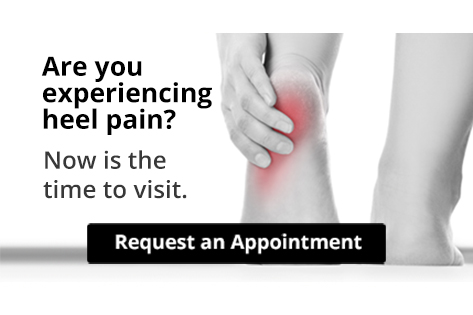
Do you suffer from heel pain when you get up in the morning? If so, you should seek professional help and have a proper diagnosis performed. Heel pain can be caused by several different foot-related conditions.

The bones of the foot play a critical role in running by acting as a spring that stores and releases energy with each step. As the foot strikes the ground, the arches compress to absorb shock and dissipate energy, protecting the joints and soft tissues from excessive stress. During push off, the bones and ligaments work together to release stored energy, propelling the body forward efficiently. Research shows that the foot contributes a significant proportion of the total energy return during running, highlighting its importance in performance and injury prevention. A podiatrist can help by analyzing gait, prescribing orthotics, and providing strategies to optimize foot function. If you have foot pain from running, it is suggested that you consult a podiatrist who can treat various foot conditions, and guide you on practical running form strategies.
If you have any concerns about your feet, contact one of our podiatrists from Active Foot and Ankle Care, LLC. Our doctors can provide the care you need to keep you pain-free and on your feet.
Biomechanics in Podiatry
Podiatric biomechanics is a particular sector of specialty podiatry with licensed practitioners who are trained to diagnose and treat conditions affecting the foot, ankle and lower leg. Biomechanics deals with the forces that act against the body, causing an interference with the biological structures. It focuses on the movement of the ankle, the foot and the forces that interact with them.
A History of Biomechanics
Modern technological improvements are based on past theories and therapeutic processes that provide a better understanding of podiatric concepts for biomechanics. Computers can provide accurate information about the forces and patterns of the feet and lower legs.
Understanding biomechanics of the feet can help improve and eliminate pain, stopping further stress to the foot.
If you have any questions please feel free to contact our offices located in Fair Lawn, Riverdale, and Englewood, NJ . We offer the newest diagnostic and treatment technologies for all your foot and ankle needs.

Parents, support your athletic teens with Custom Orthotics! As they excel in sports and activities, their feet need optimal care. Custom Orthotics provide the right alignment, reducing fatigue and enhancing performance. They help absorb shocks, minimize injuries, and cater to their unique foot structure. Don't let foot discomfort sideline their passion. Invest in their comfort and athletic future by choosing Custom Orthotics from our office. Call today for an appointment.

Achilles tendonitis is a common injury in runners, often linked to repetitive stress on the thick tendon that connects the calf muscles to the heel. Early signs include stiffness in the morning, aching at the back of the ankle, or tenderness when beginning a run. With continued strain, the discomfort can worsen, making even walking or climbing stairs uncomfortable. Risk factors include sudden increases in mileage, uphill training, tight calf muscles, or worn shoes that fail to support the foot properly. Rest and gentle stretching may ease mild cases, while wearing supportive footwear and orthotics can help prevent recurrence. Severe or long-lasting pain may require more advanced treatment, including targeted exercise. If you are a runner struggling with persistent Achilles tendon pain, it is suggested that you consult a podiatrist for a proper evaluation and care plan.
Achilles tendon injuries need immediate attention to avoid future complications. If you have any concerns, contact one of our podiatrists of Active Foot and Ankle Care, LLC. Our doctors can provide the care you need to keep you pain-free and on your feet.
What Is the Achilles Tendon?
The Achilles tendon is a tendon that connects the lower leg muscles and calf to the heel of the foot. It is the strongest tendon in the human body and is essential for making movement possible. Because this tendon is such an integral part of the body, any injuries to it can create immense difficulties and should immediately be presented to a doctor.
What Are the Symptoms of an Achilles Tendon Injury?
There are various types of injuries that can affect the Achilles tendon. The two most common injuries are Achilles tendinitis and ruptures of the tendon.
Achilles Tendinitis Symptoms
Rupture Symptoms
Treatment and Prevention
Achilles tendon injuries are diagnosed by a thorough physical evaluation, which can include an MRI. Treatment involves rest, physical therapy, and in some cases, surgery. However, various preventative measures can be taken to avoid these injuries, such as:
If you have any questions please feel free to contact our offices located in Fair Lawn, Riverdale, and Englewood, NJ . We offer the newest diagnostic tools and technology to treat your foot and ankle needs.

Customized foot orthotics can be an effective tool in managing Achilles tendinopathy by improving foot alignment, reducing strain on the tendon, and promoting a more balanced gait. They work by supporting the arches, correcting biomechanical issues, and absorbing shock during walking or running, which helps reduce irritation and allows the tendon to heal. A podiatrist can assess your foot structure, movement patterns, and activity demands to design orthotics tailored to your needs. This personalized approach not only addresses current symptoms, but also helps prevent recurrence. If you are struggling with persistent heel or lower leg pain, it is suggested that you consult a podiatrist who can guide you toward effective healing techniques, which may include custom-made orthotics.
Custom orthotics are specialized shoe inserts created to support and align the feet according to each person’s unique structure and walking pattern. They are an effective way to relieve foot discomfort caused by conditions such as flat feet, high arches, plantar fasciitis, bunions, and heel pain. When the natural alignment of the foot is off balance, it can lead to pressure points, strain, and pain that affect how a person stands, walks, and moves. Orthotics work by redistributing weight evenly and supporting the arch to reduce stress on the muscles, tendons, and joints of the feet and lower legs.
Foot discomfort can develop for many reasons, including wearing improper footwear, long hours of standing, repetitive motion, or underlying structural problems. Over time, this discomfort can extend beyond the feet, contributing to knee, hip, or lower back pain. Custom orthotics help correct these issues by improving alignment and promoting more efficient movement. They are made using precise measurements and imaging to ensure the best fit for each patient, providing targeted support and cushioning where it is needed most.
Unlike generic insoles, custom orthotics are durable, medically designed, and tailored to your specific needs. Whether you are managing chronic pain, recovering from an injury, or simply seeking better comfort and stability, orthotics can make a noticeable difference in how your feet feel throughout the day.
If you are experiencing persistent foot discomfort or fatigue, it may be time to have your feet evaluated by a podiatrist. Call our office today for more information or to schedule an appointment.
If you have any questions, please feel free to contact our offices located in Fair Lawn, Riverdale, and Englewood, NJ .

An ingrown toenail occurs when the edge of the nail grows into the surrounding skin, often causing pain, redness, swelling, and sometimes infection. Common causes include improper nail trimming, wearing tight footwear, or genetic factors. It may throb or feel tender, and can appear inflamed or filled with pus, if infected. The condition, which most frequently affects the big toe, may worsen without proper care. A podiatrist can diagnose an ingrown toenail through a physical examination and medical history. Depending on severity, treatment may include soaking instructions, lifting the nail edge, partial nail removal, or, in chronic cases, removing part of the nail root. Antibiotics might be prescribed if an infection is present. A podiatrist may also advise on proper foot hygiene and footwear to prevent recurrence. If you notice symptoms of an ingrown toenail, it is suggested that you schedule an appointment with a podiatrist to avoid complications, ensuring proper care.
Ingrown toenails may initially present themselves as a minor discomfort, but they may progress into an infection in the skin without proper treatment. For more information about ingrown toenails, contact one of our podiatrists of Active Foot and Ankle Care, LLC. Our doctors can provide the care you need to keep you pain-free and on your feet.
Ingrown Toenails
Ingrown toenails are caused when the corner or side of a toenail grows into the soft flesh surrounding it. They often result in redness, swelling, pain, and in some cases, infection. This condition typically affects the big toe and may recur if it is not treated properly.
Causes
You are more likely to develop an ingrown toenail if you are obese, have diabetes, arthritis, or have any fungal infection in your nails. Additionally, people who have foot or toe deformities are at a higher risk of developing an ingrown toenail.
Symptoms
Some symptoms of ingrown toenails are redness, swelling, and pain. In rare cases, there may be a yellowish drainage coming from the nail.
Treatment
Ignoring an ingrown toenail can have serious complications. Infections of the nail border can progress to a deeper soft-tissue infection, which can then turn into a bone infection. You should always speak with your podiatrist if you suspect you have an ingrown toenail, especially if you have diabetes or poor circulation.
If you have any questions, please feel free to contact our offices located in Fair Lawn, Riverdale, and Englewood, NJ . We offer the newest diagnostic and treatment technologies for all your foot care needs.
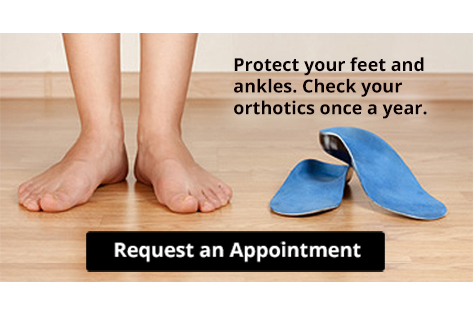
Custom orthotics, or shoe inserts, should be periodically replaced. Orthotics must fit properly to give you the best results. Protect your feet and ankles!

A broken foot is a serious injury that can result from trauma such as a fall, car accident, or sudden impact during sports or daily activities. Symptoms include immediate pain, swelling, difficulty walking, and sometimes a visible deformity. The area may feel tender, appear misshapen, or become discolored. In some cases, people may mistake a fracture for a sprain, which is why accurate diagnosis is essential. A podiatrist can evaluate the injury using a physical exam and imaging, such as X-rays, to determine the severity and location of the break. Treatment includes immobilization with a cast or boot, crutches, or in more complex cases, surgical intervention. Healing time typically ranges from six to eight weeks, depending on the type of fracture and the patient’s overall health. Early treatment can prevent complications and promote faster recovery. If you suspect a foot fracture, it is suggested that you make an appointment with a podiatrist for proper care.
A broken foot requires immediate medical attention and treatment. If you need your feet checked, contact one of our podiatrists from Active Foot and Ankle Care, LLC. Our doctors can provide the care you need to keep you pain-free and on your feet.
Broken Foot Causes, Symptoms, and Treatment
A broken foot is caused by one of the bones in the foot typically breaking when bended, crushed, or stretched beyond its natural capabilities. Usually the location of the fracture indicates how the break occurred, whether it was through an object, fall, or any other type of injury.
Common Symptoms of Broken Feet:
Those that suspect they have a broken foot shoot seek urgent medical attention where a medical professional could diagnose the severity.
Treatment for broken bones varies depending on the cause, severity and location. Some will require the use of splints, casts or crutches while others could even involve surgery to repair the broken bones. Personal care includes the use of ice and keeping the foot stabilized and elevated.
If you have any questions, please feel free to contact our offices located in Fair Lawn, Riverdale, and Englewood, NJ . We offer the newest diagnostic and treatment technologies for all your foot care needs.
