






Staying steady on your feet becomes easier when you build habits that support balance, strength, and awareness. Choosing supportive shoes with slip resistant soles can make everyday movement more secure. Clearing walkways, improving lighting, and keeping frequently used items within easy reach also reduce chances of accidental missteps. Simple daily movements, such as rising slowly from a chair and pausing before walking, can help your body adjust and prevent sudden unsteadiness. Regular activity that strengthens the legs and feet improves stability over time, while paying attention to dizziness, vision changes, or medication effects can reveal issues that need attention. A podiatrist can assess your foot structure, evaluate your gait, and recommend footwear or inserts that make each step more confident. If you are noticing increasing unsteadiness, recent near falls, or injuries to your feet or ankles from falling, it is suggested that you see a podiatrist who can treat foot and ankle injuries, and guide you on additional fall prevention tips.
Preventing falls among the elderly is very important. If you are older and have fallen or fear that you are prone to falling, consult with one of our podiatrists from Active Foot and Ankle Care, LLC. Our doctors will assess your condition and provide you with quality advice and care.
Every 11 seconds, an elderly American is being treated in an emergency room for a fall related injury. Falls are the leading cause of head and hip injuries for those 65 and older. Due to decreases in strength, balance, senses, and lack of awareness, elderly persons are very susceptible to falling. Thankfully, there are a number of things older persons can do to prevent falls.
How to Prevent Falls
Some effective methods that older persons can do to prevent falls include:
Falling can be a traumatic and embarrassing experience for elderly persons; this can make them less willing to leave the house, and less willing to talk to someone about their fears of falling. Doing such things, however, will increase the likelihood of tripping or losing one’s balance. Knowing the causes of falling and how to prevent them is the best way to mitigate the risk of serious injury.
If you have any questions, please feel free to contact our offices located in Fair Lawn, Riverdale, and Englewood, NJ . We offer the newest diagnostic and treatment technologies for all your foot care needs.

Swelling in the feet develops when fluid collects in the soft tissues surrounding the ankles and toes. A sprain or fracture often causes blood and fluid to move into the injured area as part of the healing process, possibly leading to puffiness and discomfort. Edema can also cause swollen feet, especially when fluid gathers around the lower legs due to gravity. Long hours of standing, sitting in one position, or wearing shoes with inadequate support can contribute to swelling. Medical conditions, such as gout in the big toe, an infection in the foot, or circulation problems, can also result in swollen feet. A podiatrist can examine the feet, identify the cause of the swelling, and recommend treatment to improve comfort and protect long-term foot function. If you notice abnormal swelling in your feet or ankles, it is suggested that you schedule an appointment with a podiatrist for expert guidance.
Swollen feet can be a sign of an underlying condition. If you have any concerns, contact one of our podiatrists of Active Foot and Ankle Care, LLC. Our doctors can provide the care you need to keep you pain-free and on your feet.
Swollen feet are a common ailment among pregnant women and people who stand or sit for extended periods. Aging may increase the possibility of swollen feet and patients who are obese often notice when their feet are swelling too. There may be medical reasons why swollen feet occur:
Swollen feet can also be caused by bone and tendon conditions, including fractures, arthritis, and tendinitis. Additionally, there may be skin and toenail conditions and an infection may cause the feet to swell. Patients who take medicine to treat high blood pressure may be prone to getting swollen feet.
Many patients elevate their feet to help relieve the swelling and this is generally a temporary remedy. When a podiatrist is consulted the reason behind the swelling can be uncovered and subsequently treated.
If you have any questions please contact our offices located in Fair Lawn, Riverdale, and Englewood, NJ . We offer the newest diagnostic and treatment technologies for all your foot and ankle needs.

Foot pain can arise from many different sources, and understanding the cause is the first step toward finding relief. Overuse from long hours on your feet, wearing unsupportive footwear, or sudden increases in activity can strain the muscles, tendons, and ligaments. Conditions such as plantar fasciitis, tendon injuries, arthritis, nerve irritation, or stress fractures can also create discomfort that builds gradually or appears suddenly. Some individuals experience pain from structural issues like flat feet or high arches, while others notice soreness linked to corns, calluses, or nail problems. Because the feet work hard with every step, even minor concerns can interfere with daily movement, if ignored. Paying attention to early signs helps prevent more serious problems from developing. If your foot pain persists, worsens, or affects the way you walk, it is suggested that you schedule an appointment with a podiatrist for further evaluation.
Foot Pain
Foot pain can be extremely painful and debilitating. If you have a foot pain, consult with one of our podiatrists from Active Foot and Ankle Care, LLC. Our doctors will assess your condition and provide you with quality foot and ankle treatment.
Causes
Foot pain is a very broad condition that could be caused by one or more ailments. The most common include:
Diagnosis
To figure out the cause of foot pain, podiatrists utilize several different methods. This can range from simple visual inspections and sensation tests to X-rays and MRI scans. Prior medical history, family medical history, and any recent physical traumatic events will all be taken into consideration for a proper diagnosis.
Treatment
Treatment depends upon the cause of the foot pain. Whether it is resting, staying off the foot, or having surgery; podiatrists have a number of treatment options available for foot pain.
If you have any questions, please feel free to contact our offices located in Fair Lawn, Riverdale, and Englewood, NJ . We offer the newest diagnostic and treatment technologies for all your foot care needs.
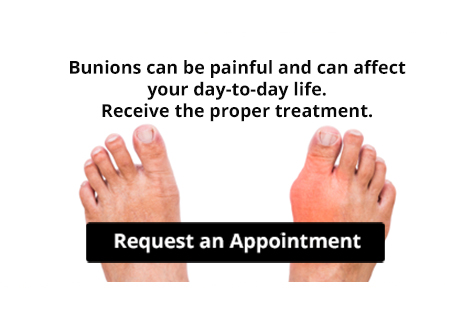
Have you noticed a bony protrusion on the side of your big toe? If so, you may have developed the foot condition known as a bunion. Don't let bunions interfere with your daily activities.

Custom Orthotics aren't just about comfort; they're your shield against injury and fatigue. By aligning your feet just right, they reduce strain on muscles and joints, ensuring you stay active longer without the usual wear and tear. Whether you're an athlete pushing limits or someone seeking day-to-day ease, Custom Orthotics offer the support you need. Don't let fatigue set the pace; with Custom Orthotics, you're always one step ahead. Call today for more information.

Rheumatoid arthritis is an autoimmune condition that causes the body to mistakenly attack its own joints, and the feet are often among the first areas affected. Inflammation can lead to swelling, stiffness, and a deep aching sensation, particularly in the toes and the ball of the foot. Over time, the joints may shift or lose stability, making walking uncomfortable and sometimes altering the shape of the foot. Many individuals also notice warmth, tenderness, or difficulty standing for long periods. Because these changes can progress gradually, early attention is important to protect mobility and reduce strain on surrounding joints. Supportive footwear, gentle exercises, and timely care all help manage symptoms more comfortably. If you have persistent swelling, stiffness, or joint pain in the feet, it is suggested that you schedule an appointment with a podiatrist for further evaluation.
Because RA affects more than just your joints, including the joints in your feet and ankles, it is important to seek early diagnosis from your podiatrist if you feel like the pain in your feet might be caused by RA. For more information, contact one of our podiatrists of Active Foot and Ankle Care, LLC. Our doctors will assist you with all of your podiatric concerns.
What Is Rheumatoid Arthritis?
Rheumatoid Arthritis (RA) is an autoimmune disorder in which the body’s own immune system attacks the membranes surrounding the joints. Inflammation of the lining and eventually the destruction of the joint’s cartilage and bone occur, causing severe pain and immobility.
Rheumatoid Arthritis of the Feet
Although RA usually attacks multiple bones and joints throughout the entire body, almost 90 percent of cases result in pain in the foot or ankle area.
Symptoms
Diagnosis
Quick diagnosis of RA in the feet is important so that the podiatrist can treat the area effectively. Your doctor will ask you about your medical history, occupation, and lifestyle to determine the origin of the condition. Rheumatoid Factor tests help to determine if someone is affected by the disease.
If you have any questions, please feel free to contact our offices located in Fair Lawn, Riverdale, and Englewood, NJ . We offer the newest diagnostic and treatment technologies for all your foot care needs.

Orthotics offer an effective alternative to conventional therapy and other non-surgical treatments for plantar fasciitis by addressing the root cause of heel pain. Unlike temporary relief methods like stretching, taping, or medication, custom orthotics correct foot alignment, reduce strain on the plantar fascia, and promote long-term healing. They provide continuous support during daily activities, preventing recurring discomfort. A podiatrist can assess your gait, evaluate foot structure, and design custom orthotics tailored to your needs for lasting pain relief and improved function. If heel pain is limiting your mobility, it is suggested that you schedule an appointment with a podiatrist who can offer orthotic solutions for plantar fasciitis relief.
Custom orthotics are specialized shoe inserts created to support and align the feet according to each person’s unique structure and walking pattern. They are an effective way to relieve foot discomfort caused by conditions such as flat feet, high arches, plantar fasciitis, bunions, and heel pain. When the natural alignment of the foot is off balance, it can lead to pressure points, strain, and pain that affect how a person stands, walks, and moves. Orthotics work by redistributing weight evenly and supporting the arch to reduce stress on the muscles, tendons, and joints of the feet and lower legs.
Foot discomfort can develop for many reasons, including wearing improper footwear, long hours of standing, repetitive motion, or underlying structural problems. Over time, this discomfort can extend beyond the feet, contributing to knee, hip, or lower back pain. Custom orthotics help correct these issues by improving alignment and promoting more efficient movement. They are made using precise measurements and imaging to ensure the best fit for each patient, providing targeted support and cushioning where it is needed most.
Unlike generic insoles, custom orthotics are durable, medically designed, and tailored to your specific needs. Whether you are managing chronic pain, recovering from an injury, or simply seeking better comfort and stability, orthotics can make a noticeable difference in how your feet feel throughout the day.
If you are experiencing persistent foot discomfort or fatigue, it may be time to have your feet evaluated by a podiatrist. Call our office today for more information or to schedule an appointment.
If you have any questions, please feel free to contact our offices located in Fair Lawn, Riverdale, and Englewood, NJ .

Poor circulation in the feet can cause coldness, numbness, swelling, and fatigue that make daily movement uncomfortable. Improving blood flow begins with simple habits that encourage the vessels to work more efficiently. Regular movement helps tremendously, even gentle activities like walking, ankle rotations, or stretching throughout the day. These actions activate the muscles that naturally push blood back toward the heart. Warm water foot soaks can also provide temporary comfort by relaxing tight tissues. Wearing shoes that fit well, avoiding long periods of sitting or standing, and elevating your feet while resting can further support healthier flow. People who smoke, have diabetes, or live with vascular concerns may notice circulation improves when these underlying issues are better managed. Compression socks can be useful for some individuals, but they are not right for everyone. If you experience persistent coldness, color changes, or slow-healing wounds on your feet, it is suggested that you see a podiatrist for an evaluation and tailored care.
While poor circulation itself isn’t a condition; it is a symptom of another underlying health condition you may have. If you have any concerns with poor circulation in your feet contact one of our podiatrists of Active Foot and Ankle Care, LLC. Our doctors will treat your foot and ankle needs.
Poor Circulation in the Feet
Peripheral artery disease (PAD) can potentially lead to poor circulation in the lower extremities. PAD is a condition that causes the blood vessels and arteries to narrow. In a linked condition called atherosclerosis, the arteries stiffen up due to a buildup of plaque in the arteries and blood vessels. These two conditions can cause a decrease in the amount of blood that flows to your extremities, therefore resulting in pain.
Symptoms
Some of the most common symptoms of poor circulation are:
Treatment for poor circulation often depends on the underlying condition that causes it. Methods for treatment may include insulin for diabetes, special exercise programs, surgery for varicose veins, or compression socks for swollen legs.
As always, see a podiatrist as he or she will assist in finding a regimen that suits you. A podiatrist can also prescribe you any needed medication.
If you have any questions, please feel free to contact our offices located in Fair Lawn, Riverdale, and Englewood, NJ . We offer the newest diagnostic and treatment technologies for all your foot care needs.

Gymnastics places intense demands on the feet and ankles, often leading to injuries from repetitive landings, twisting motions, or sudden impact. Common injuries include sprains from overstretched ligaments, fractures caused by high force landings, and tendonitis from overuse. Stress fractures can also develop when training is intense without adequate recovery time. These injuries may limit performance and cause long-term problems, if not treated properly. A podiatrist can diagnose the specific type of injury, recommend customized treatment, and guide rehabilitation exercises to restore strength and stability. This type of doctor also provides guidance on proper footwear and preventative care. If you are experiencing foot or ankle pain from gymnastics, it is suggested that you contact a podiatrist who can treat these types of injuries, and further guide you on injury prevention.
Ankle and foot injuries are common among athletes and in many sports. They can be caused by several problems and may be potentially serious. If you are feeling pain or think you were injured in a sporting event or when exercising, consult with one of our podiatrists from Active Foot and Ankle Care, LLC. Our doctors will assess your condition and provide you with quality foot and ankle treatment.
Common Injuries
The most common injuries that occur in sporting activities include:
Symptoms
Symptoms vary depending upon the injury and in some cases, there may be no symptoms at all. However, in most cases, some form of symptom is experienced. Pain, aching, burning, bruising, tenderness, tightness or stiffness, sensation loss, difficulty moving, and swelling are the most common symptoms.
Treatment
Just as symptoms vary depending upon the injury, so do treatment options. A common treatment method is known as the RICE method. This method involves rest, applying ice, compression and elevating the afflicted foot or ankle. If the injury appears to be more serious, surgery might be required, such as arthroscopic or reconstructive surgery. Lastly, rehabilitation or therapy might be needed to gain full functionality in the afflicted area. Any discomfort experienced by an athlete must be evaluated by a licensed, reputable medical professional.
If you have any questions please contact our offices located in Fair Lawn, Riverdale, and Englewood, NJ . We offer the newest diagnostic and treatment technologies for all your foot and ankle needs.

If left untreated, an ingrown toenail can lead to more serious concerns, such as an infection. Knowing proper nail care can help in the prevention of an ingrown toenail. Give us a call, and get treated!

An ankle sprain occurs when the ligaments supporting the ankle stretch or tear, often due to twisting or rolling the foot. Sprains are classified by grade. Grade one is mild, involving slight stretching with minimal swelling or pain. Grade two is moderate, with partial tearing, noticeable swelling, bruising, and limited mobility. Grade three is severe, a complete ligament tear causing significant instability, swelling, and difficulty bearing weight. Risk factors include previous sprains, weak ankle muscles, uneven surfaces, and wearing improper footwear. Symptoms typically include pain, swelling, bruising, and difficulty walking. A podiatrist can evaluate the severity of the injury, recommend supportive braces and guide recovery to prevent long-term instability. If you think you have sprained your ankle, it is suggested that you consult a podiatrist who can provide a proper diagnosis and treatment.
Although ankle sprains are common, they aren’t always minor injuries. If you need your ankle injury looked at, contact one of our podiatrists from Active Foot and Ankle Care, LLC. Our doctors can provide the care you need to keep you pain-free and on your feet.
How Does an Ankle Sprain Occur?
Ankle sprains are the result of a tear in the ligaments within the ankle. These injuries may happen when you make a rapid shifting movement while your foot is planted. A less common way to sprain your ankle is when your ankle rolls inward while your foot turns outward.
What Are the Symptoms?
Preventing a Sprain
Treatment of a Sprain
In many cases, the RICE method (Rest, Ice, Compression, and Elevate) is used to treat ankle sprains. However, you should see a podiatrist to see which treatment option would work best with your injury. In severe cases, surgery may be required.
It is important to ask your doctor about rehab options after you receive treatment for your injury. Stretching, strength training, and balance exercises may help the ankle heal while also preventing further injury.
If you have any questions, please feel free to contact our offices located in Fair Lawn, Riverdale, and Englewood, NJ . We offer the newest diagnostic and treatment technologies for all your foot care needs.

Discover the long-term benefits of orthotics! Tailored to your unique foot structure, Custom Orthotics ensure every step radiates comfort and helps reduce foot and heel pain. Beyond comfort, they enhance your posture, allowing you to stand taller and walk with confidence. Whether you're casually strolling or actively running, they can elevate your performance. Call our office today and see if Custom Orthotics are right for you.

Heel pain is one of the most frequent foot complaints, but it does not always have a single cause. While plantar fasciitis is often blamed, fat pad atrophy or nerve entrapment can produce similar discomfort. Each cause has different symptoms. Plantar fasciitis often creates sharp pain with the first steps in the morning, while fat pad atrophy feels more like a deep bruise from loss of natural cushioning. Because symptoms can overlap, an accurate diagnosis is important in choosing the right treatment. A podiatrist can evaluate foot structure, activity level, and gait patterns to pinpoint the true source of pain. Treatments may include stretching, custom orthotics, footwear changes, or other targeted therapies. If heel pain is interfering with your daily comfort, it is suggested that you schedule a podiatric evaluation to find the most effective treatment solution.
Many people suffer from bouts of heel pain. For more information, contact one of our podiatrists of Active Foot and Ankle Care, LLC. Our doctors can provide the care you need to keep you pain-free and on your feet.
Causes of Heel Pain
Heel pain is often associated with plantar fasciitis. The plantar fascia is a band of tissues that extends along the bottom of the foot. A rip or tear in this ligament can cause inflammation of the tissue.
Achilles tendonitis is another cause of heel pain. Inflammation of the Achilles tendon will cause pain from fractures and muscle tearing. Lack of flexibility is also another symptom.
Heel spurs are another cause of pain. When the tissues of the plantar fascia undergo a great deal of stress, it can lead to ligament separation from the heel bone, causing heel spurs.
Why Might Heel Pain Occur?
Treatments
Heel pain should be treated as soon as possible for immediate results. Keeping your feet in a stress-free environment will help. If you suffer from Achilles tendonitis or plantar fasciitis, applying ice will reduce the swelling. Stretching before an exercise like running will help the muscles. Using all these tips will help make heel pain a condition of the past.
If you have any questions, please feel free to contact our offices located in Fair Lawn, Riverdale, and Englewood, NJ . We offer the newest diagnostic and treatment technologies for all your foot care needs.

Custom orthotics are designed by podiatrists. They are tailored foot inserts made to enhance foot function and lower-leg biomechanics. These specialized orthotics are crafted to support the unique contours of the feet, align the ankle, and enhance overall posture and function. Each pair of custom orthotics is exclusively designed to address your specific needs, ensuring optimal foot health and a successful outcome. Orthotics are versatile, serving both as a solution for various existing conditions, and as a preventive measure against future ankle and foot problems. The process of obtaining custom orthotics involves having an initial foot and ankle assessment, and an examination of the foot function and gait. This is followed by creating an image of the feet, designing the orthotics, fitting them, and making any necessary adjustments. If you are interested in the possibility of having custom orthotics designed for you, it is suggested that you make an appointment with a podiatrist for a consultation and evaluation.
Custom orthotics play an important role in preventing and treating foot and ankle injuries by providing personalized support that aligns with the unique structure of each foot. These specially designed devices help correct biomechanical imbalances, reduce pressure on sensitive areas, and improve stability during movement. When the feet are properly supported, the risk of developing conditions such as plantar fasciitis, Achilles tendinitis, and ankle sprains can be significantly reduced. Custom orthotics also help relieve discomfort caused by having flat feet, high arches, or uneven leg length, which may contribute to recurring injuries or pain.
Foot and ankle injuries can develop gradually from repetitive strain or occur suddenly during physical activity. Without proper treatment, these injuries can affect mobility and overall quality of life. Orthotics work to redistribute weight evenly across the foot, allowing joints and muscles to function more efficiently. This not only supports recovery from injury but can also prevent future problems by promoting better posture and alignment throughout the lower body.
Unlike over-the-counter inserts, custom orthotics are designed based on a detailed evaluation of each patient’s foot structure, gait, and medical needs. Podiatrists use advanced imaging and diagnostic tools to create orthotics that fit precisely and provide targeted correction. Whether used in everyday footwear or athletic shoes, custom orthotics can improve comfort, enhance performance, and support long-term foot health.
If you are experiencing foot or ankle pain or have sustained an injury that has not improved with rest, it is suggested that you schedule an appointment with a podiatrist. Call our office for more information or to make an appointment.
If you have any questions, please feel free to contact our offices located in Fair Lawn, Riverdale, and Englewood, NJ .
