





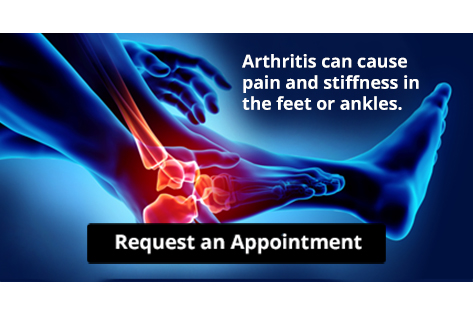
If you are suffering from tenderness, pain, or stiffness in the joints of your feet or ankles, call us to schedule an appointment.

Peripheral neuropathy affects the nerves that carry messages between the feet and the brain. When these nerves are not working properly, people may experience numbness, tingling, burning, or a pins and needles feeling in the feet or toes. In some cases, sensation becomes reduced, making it harder to feel pain, heat, or pressure. This can increase the risk of unnoticed injuries, skin breakdown, or balance issues. Although causes can vary, peripheral neuropathy is often linked to diabetes, circulation problems, certain medications, or nerve compression. Symptoms may develop gradually and worsen over time, if not addressed. Daily foot checks and wearing supportive footwear are important parts of care. Early evaluation helps reduce complications and protect long-term foot health. If changes in sensation, balance, or foot comfort are noticed, it is suggested that a podiatrist provide guidance on evaluation and treatment options.
Neuropathy
Neuropathy can be a potentially serious condition, especially if it is left undiagnosed. If you have any concerns that you may be experiencing nerve loss in your feet, consult with one of our podiatrists from Active Foot and Ankle Care, LLC. Our doctors will assess your condition and provide you with quality foot and ankle treatment for neuropathy.
What Is Neuropathy?
Neuropathy is a condition that leads to damage to the nerves in the body. Peripheral neuropathy, or neuropathy that affects your peripheral nervous system, usually occurs in the feet. Neuropathy can be triggered by a number of different causes. Such causes include diabetes, infections, cancers, disorders, and toxic substances.
Symptoms of Neuropathy Include:
Those with diabetes are at serious risk due to being unable to feel an ulcer on their feet. Diabetics usually also suffer from poor blood circulation. This can lead to the wound not healing, infections occurring, and the limb may have to be amputated.
Treatment
To treat neuropathy in the foot, podiatrists will first diagnose the cause of the neuropathy. Figuring out the underlying cause of the neuropathy will allow the podiatrist to prescribe the best treatment, whether it be caused by diabetes, toxic substance exposure, infection, etc. If the nerve has not died, then it’s possible that sensation may be able to return to the foot.
Pain medication may be issued for pain. Electrical nerve stimulation can be used to stimulate nerves. If the neuropathy is caused from pressure on the nerves, then surgery may be necessary.
If you have any questions, please feel free to contact our offices located in Fair Lawn, Riverdale, and Englewood, NJ . We offer the newest diagnostic and treatment technologies for all your foot care needs.

Infant toenails are soft and delicate, so they benefit from gentle, consistent attention as your baby grows. Their nails often look thin or slightly uneven, which is normal in the early months. Because babies move constantly, it helps to check their feet regularly for snags that could catch on clothing or scratch their skin. Trimming should only be done when the nails become long enough to curl or snag. Using small baby nail scissors or clippers and cutting straight across keeps the process safe and comfortable. After bath time is usually the easiest moment, since warm water softens the nails. If you notice redness, swelling, or sensitivity surrounding a nail, it may be the start of an ingrown toenail or mild infection. If these changes continue or your baby seems uncomfortable, it is suggested that you see a podiatrist for proper evaluation and support.
Ingrown toenails may initially present themselves as a minor discomfort, but they may progress into an infection in the skin without proper treatment. For more information about ingrown toenails, contact one of our podiatrists of Active Foot and Ankle Care, LLC. Our doctors can provide the care you need to keep you pain-free and on your feet.
Ingrown Toenails
Ingrown toenails are caused when the corner or side of a toenail grows into the soft flesh surrounding it. They often result in redness, swelling, pain, and in some cases, infection. This condition typically affects the big toe and may recur if it is not treated properly.
Causes
You are more likely to develop an ingrown toenail if you are obese, have diabetes, arthritis, or have any fungal infection in your nails. Additionally, people who have foot or toe deformities are at a higher risk of developing an ingrown toenail.
Symptoms
Some symptoms of ingrown toenails are redness, swelling, and pain. In rare cases, there may be a yellowish drainage coming from the nail.
Treatment
Ignoring an ingrown toenail can have serious complications. Infections of the nail border can progress to a deeper soft-tissue infection, which can then turn into a bone infection. You should always speak with your podiatrist if you suspect you have an ingrown toenail, especially if you have diabetes or poor circulation.
If you have any questions, please feel free to contact our offices located in Fair Lawn, Riverdale, and Englewood, NJ . We offer the newest diagnostic and treatment technologies for all your foot care needs.

Custom Orthotics help you not have to choose between style and comfort. With Custom Orthotics designed for high heels, you can walk with confidence, knowing your feet are supported. Custom Orthotics help distribute pressure evenly, reducing the risk of pain and discomfort. Whether it's a day at the office or a night on the town, make every step graceful and pain-free. Discover the magic of Custom Orthotics for high heels by calling our office today.

Diabetic amyotrophy is a rare nerve and muscle condition linked to diabetes that mainly affects the hips, thighs, and legs. Unlike diabetic neuropathy, it involves sudden nerve inflammation and rapid muscle weakness rather than a slow loss of feeling in the feet. Symptoms often include severe pain, increasing weakness, and areas of numbness, along with unexpected stomach pain and noticeable weight loss. As the condition progresses, some individuals may develop foot drop, which is difficulty lifting the front of the foot while walking. Foot drop can disrupt gait, reduce balance, and increase the risk of tripping or falling. Recovery can be gradual and usually requires coordinated medical care. A podiatrist can help by monitoring lower limb strength, evaluating walking patterns, improving foot and ankle stability, and recommending supportive footwear or bracing. If you have diabetes and experience sudden foot weakness, pain, or mobility changes, it is suggested that you consult a podiatrist who can help you to manage this condition.
Diabetic foot care is important in preventing foot ailments such as ulcers. If you are suffering from diabetes or have any other concerns about your feet, contact one of our podiatrists from Active Foot and Ankle Care, LLC. Our doctors can provide the care you need to keep you pain-free and on your feet.
Diabetic Foot Care
Diabetes affects millions of people every year. The condition can damage blood vessels in many parts of the body, especially the feet. Because of this, taking care of your feet is essential if you have diabetes, and having a podiatrist help monitor your foot health is highly recommended.
The Importance of Caring for Your Feet
Patients with diabetes should have their doctor monitor their blood levels, as blood sugar levels play such a huge role in diabetic care. Monitoring these levels on a regular basis is highly advised.
It is always best to inform your healthcare professional of any concerns you may have regarding your feet, especially for diabetic patients. Early treatment and routine foot examinations are keys to maintaining proper health, especially because severe complications can arise if proper treatment is not applied.
If you have any questions, please feel free to contact our offices located in Fair Lawn, Riverdale, and Englewood, NJ . We offer the newest diagnostic and treatment technologies for all your foot care needs.

Gout is a painful, inflammatory form of arthritis. Those affected will typically feel an intense stiffness in the joints of their feet, particularly in the big toe. Schedule a visit to learn about how gout can be managed and treated.

Long hours of standing or walking at work can place steady stress on the feet, leading to tired arches, sore heels, stiff joints, or pressure that travels up into the legs and lower back. These body changes may slow down movement, reduce comfort during tasks, and make it harder to stay focused throughout the day. When the feet do not absorb shock well or when the arches collapse during each step, the body must work harder to stay balanced, which can drain energy and affect overall productivity. Orthotics can help by supporting the arch, improving foot alignment, and spreading pressure more evenly so each step feels more stable. This added support may help the body move with less strain, allowing a worker to stay active and comfortable for longer periods of time. If foot discomfort is affecting your job performance, it is suggested that you schedule an evaluation with a podiatrist to see if orthotics may be the right treatment to improve daily function.
Custom orthotics are specialized shoe inserts created to support and align the feet according to each person’s unique structure and walking pattern. They are an effective way to relieve foot discomfort caused by conditions such as flat feet, high arches, plantar fasciitis, bunions, and heel pain. When the natural alignment of the foot is off balance, it can lead to pressure points, strain, and pain that affect how a person stands, walks, and moves. Orthotics work by redistributing weight evenly and supporting the arch to reduce stress on the muscles, tendons, and joints of the feet and lower legs.
Foot discomfort can develop for many reasons, including wearing improper footwear, long hours of standing, repetitive motion, or underlying structural problems. Over time, this discomfort can extend beyond the feet, contributing to knee, hip, or lower back pain. Custom orthotics help correct these issues by improving alignment and promoting more efficient movement. They are made using precise measurements and imaging to ensure the best fit for each patient, providing targeted support and cushioning where it is needed most.
Unlike generic insoles, custom orthotics are durable, medically designed, and tailored to your specific needs. Whether you are managing chronic pain, recovering from an injury, or simply seeking better comfort and stability, orthotics can make a noticeable difference in how your feet feel throughout the day.
If you are experiencing persistent foot discomfort or fatigue, it may be time to have your feet evaluated by a podiatrist. Call our office today for more information or to schedule an appointment.
If you have any questions, please feel free to contact our offices located in Fair Lawn, Riverdale, and Englewood, NJ .

Staying steady on your feet becomes easier when you build habits that support balance, strength, and awareness. Choosing supportive shoes with slip resistant soles can make everyday movement more secure. Clearing walkways, improving lighting, and keeping frequently used items within easy reach also reduce chances of accidental missteps. Simple daily movements, such as rising slowly from a chair and pausing before walking, can help your body adjust and prevent sudden unsteadiness. Regular activity that strengthens the legs and feet improves stability over time, while paying attention to dizziness, vision changes, or medication effects can reveal issues that need attention. A podiatrist can assess your foot structure, evaluate your gait, and recommend footwear or inserts that make each step more confident. If you are noticing increasing unsteadiness, recent near falls, or injuries to your feet or ankles from falling, it is suggested that you see a podiatrist who can treat foot and ankle injuries, and guide you on additional fall prevention tips.
Preventing falls among the elderly is very important. If you are older and have fallen or fear that you are prone to falling, consult with one of our podiatrists from Active Foot and Ankle Care, LLC. Our doctors will assess your condition and provide you with quality advice and care.
Every 11 seconds, an elderly American is being treated in an emergency room for a fall related injury. Falls are the leading cause of head and hip injuries for those 65 and older. Due to decreases in strength, balance, senses, and lack of awareness, elderly persons are very susceptible to falling. Thankfully, there are a number of things older persons can do to prevent falls.
How to Prevent Falls
Some effective methods that older persons can do to prevent falls include:
Falling can be a traumatic and embarrassing experience for elderly persons; this can make them less willing to leave the house, and less willing to talk to someone about their fears of falling. Doing such things, however, will increase the likelihood of tripping or losing one’s balance. Knowing the causes of falling and how to prevent them is the best way to mitigate the risk of serious injury.
If you have any questions, please feel free to contact our offices located in Fair Lawn, Riverdale, and Englewood, NJ . We offer the newest diagnostic and treatment technologies for all your foot care needs.
