






Diabetic foot ulcers are open sores or wounds that commonly develop on the bottom of the foot in people with diabetes. Poor circulation and nerve damage reduce the body’s ability to heal and feel pain, which means even small injuries can turn into serious ulcers without notice. These ulcers may appear as red, swollen, or draining wounds, and often do not cause pain, making them easy to overlook. A podiatrist plays a vital role in treating and preventing diabetic foot ulcers. Treatment may include cleaning the wound, removing dead tissue called debridement, applying special dressings, and using custom footwear or orthotics to relieve pressure. In advanced cases, infection control and even surgery may be necessary. Diabetic foot ulcers precede 85 percent of diabetes-related limb losses, making early detection and treatment critical. If you have diabetes and are experiencing foot problems, it is suggested that you are under the care of a podiatrist who can help you to manage this serious condition.
Diabetic foot care is important in preventing foot ailments such as ulcers. If you are suffering from diabetes or have any other concerns about your feet, contact one of our podiatrists from Active Foot and Ankle Care, LLC. Our doctors can provide the care you need to keep you pain-free and on your feet.
Diabetic Foot Care
Diabetes affects millions of people every year. The condition can damage blood vessels in many parts of the body, especially the feet. Because of this, taking care of your feet is essential if you have diabetes, and having a podiatrist help monitor your foot health is highly recommended.
The Importance of Caring for Your Feet
Patients with diabetes should have their doctor monitor their blood levels, as blood sugar levels play such a huge role in diabetic care. Monitoring these levels on a regular basis is highly advised.
It is always best to inform your healthcare professional of any concerns you may have regarding your feet, especially for diabetic patients. Early treatment and routine foot examinations are keys to maintaining proper health, especially because severe complications can arise if proper treatment is not applied.
If you have any questions, please feel free to contact our offices located in Fair Lawn, Riverdale, and Englewood, NJ . We offer the newest diagnostic and treatment technologies for all your foot care needs.

Flat feet? Rise above the discomfort with Custom Orthotics. Specifically designed to support the arch and align the foot, Custom Orthotics can be a game-changer for those with flat feet. They help in distributing weight evenly, preventing undue stress and potential pain. Walk, run, or stand with newfound confidence, knowing your feet have the support they've been missing. Want to explore the benefits of Custom Orthotics tailored for flat feet? Contact us today!

Toenail loss can happen for several reasons, and is often painful. Injuries from stubbing the toe or dropping something on it are common causes. Fungal infections may also damage the nail and make it loosen over time. Runners are at risk of toenail loss caused by repeated impact against the inside of the shoe, especially during long distances or downhill strides. Some people may develop a bony growth under the nail, called a subungual exostosis, which puts pressure on the nail until it detaches. Illness, certain medications, or poor circulation may also cause nail loss. If a toenail falls off, a new nail must grow, which can take several months to a year. If part of the nail is still attached, do not pull it off. That can lead to infection or injury. A podiatrist can examine the toe, remove a damaged nail safely, and guide proper regrowth. If your toenail falls off, it is suggested that you promptly schedule an appointment with a podiatrist for appropriate treatment.
For more information about treatment, contact one of our podiatrists of Active Foot and Ankle Care, LLC. Our doctors can provide the care you need to keep you pain-free and on your feet.
Toenail Fungus Treatment
Toenail fungus is a condition that affects many people and can be especially hard to get rid of. Fortunately, there are several methods to go about treating and avoiding it.
Antifungals & Deterrence
Oral antifungal medicine has been shown to be effective in many cases. It is important to consult with a podiatrist to determine the proper regiment for you, or potentially explore other options.
Applying foot powder on the feet and shoes helps keep the feet free of moisture and sweat.
Sandals or open toed shoes – Wearing these will allow air movement and help keep feet dry. They also expose your feet to light, which fungus cannot tolerate. Socks with moisture wicking material also help as well.
If you have any questions please contact our offices located in Fair Lawn, Riverdale, and Englewood, NJ . We offer the newest diagnostic and treatment technologies for all your foot and ankle needs.

Structural hallux limitus is a condition where the big toe has limited upward movement due to joint stiffness or bone alignment issues. This restriction can cause pain during walking and lead to changes in gait that affect other joints. Custom foot orthotics can help by supporting the arch, stabilizing the foot, and reducing pressure on the big toe joint. They are designed to improve foot mechanics and ease discomfort with each step. A podiatrist can assess the severity of the condition and create orthotics tailored to your needs. If you are experiencing pain or stiffness in your big toe, it is suggested that you schedule a visit with a podiatrist to explore how custom orthotics can bring relief and improve mobility
Custom orthotics can make a remarkable difference in daily comfort and mobility by supporting the feet in their most natural and balanced position. Because the feet form the foundation for the entire body, any imbalance can affect not only how a person walks, but also how the knees, hips, and spine align. Over time, this can lead to fatigue, pain, or reduced movement. Custom orthotics are designed to restore stability and promote proper alignment, which can transform the way a person feels and functions throughout the day.
People who wear custom orthotics often experience improved posture, less joint strain, and greater endurance during work, exercise, and leisure activities. The support they provide helps relieve chronic discomfort from conditions such as plantar fasciitis, flat feet, and heel pain, while also reducing the risk of future injuries. For those who stand for long hours or engage in sports, orthotics can make movement smoother and more efficient, allowing the body to perform at its best without unnecessary stress.
Each pair of custom orthotics is created after a detailed evaluation of foot structure, gait, and pressure distribution. By addressing each person’s unique needs, they offer comfort and confidence with every step.
If you are experiencing ongoing foot discomfort or fatigue, it is suggested that you contact our office for more information or to make an appointment.
If you have any questions, please feel free to contact our offices located in Fair Lawn, Riverdale, and Englewood, NJ .

A broken toe may result from a direct hit, such as stubbing the toe, dropping something heavy on it, or from repeated stress like running or jumping. Pain, swelling, bruising, and difficulty walking are common signs of a toe fracture. Some breaks can cause the bone to shift out of place, while others stay aligned but still cause discomfort. A broken toe may be open, with a wound that exposes the bone, or closed, where the skin remains unbroken. Ignoring the injury can lead to long-term problems, such as poor healing or joint stiffness. A podiatrist can check for bone displacement or hidden fractures using an X-ray or other imaging, as well as assess any risks of infection or complications. Depending on the type and severity of the break, a podiatrist may stabilize the toe with a cast, special shoe, or taping method. Surgery may be needed to realign the bone. If you have broken a toe, it is suggested that you promptly schedule an appointment with a podiatrist for an exam and appropriate treatment options.
Broken toes may cause a lot of pain and should be treated as soon as possible. If you have any concerns about your feet, contact one of our podiatrists from Active Foot and Ankle Care, LLC. Our doctors will treat your foot and ankle needs.
What Is a Broken Toe?
A broken toe occurs when one or more of the toe bones of the foot are broken after an injury. Injuries such as stubbing your toe or dropping a heavy object on it may cause a toe fracture.
Symptoms of a Broken Toe
Although the injured toe should be monitored daily, it is especially important to have a podiatrist look at your toe if you have severe symptoms. Some of these symptoms include worsening or new pain that is not relieved with medication, sores, redness, or open wounds near the toe.
If you have any questions please feel free to contact our offices located in Fair Lawn, Riverdale, and Englewood, NJ . We offer the newest diagnostic tools and technology to treat your foot and ankle needs.

Diabetic shoes can bring relief to the feet of patients suffering from diabetes.

Wearing shoes that do not fit properly is a leading cause of foot pain as well as long-term complications. Tight or loose footwear can lead to corns, calluses, and even foot deformities, such as bunions or hammertoes. Over time, discomfort may limit mobility and discourage regular activity. Ill-fitting shoes can also worsen conditions like peripheral neuropathy by adding pressure and irritation to sensitive areas. A podiatrist can examine your foot shape, assess any damage, and recommend properly fitting shoes or custom orthotics to relieve pain and prevent further issues. If you have developed foot pain from wearing the wrong type of shoes, it is suggested that you schedule a visit with a podiatrist who can treat various foot conditions and offer the right guidance for your specific needs.
Foot Pain
Foot pain can be extremely painful and debilitating. If you have a foot pain, consult with one of our podiatrists from Active Foot and Ankle Care, LLC. Our doctors will assess your condition and provide you with quality foot and ankle treatment.
Causes
Foot pain is a very broad condition that could be caused by one or more ailments. The most common include:
Diagnosis
To figure out the cause of foot pain, podiatrists utilize several different methods. This can range from simple visual inspections and sensation tests to X-rays and MRI scans. Prior medical history, family medical history, and any recent physical traumatic events will all be taken into consideration for a proper diagnosis.
Treatment
Treatment depends upon the cause of the foot pain. Whether it is resting, staying off the foot, or having surgery; podiatrists have a number of treatment options available for foot pain.
If you have any questions, please feel free to contact our offices located in Fair Lawn, Riverdale, and Englewood, NJ . We offer the newest diagnostic and treatment technologies for all your foot care needs.

A foot stress fracture is a small crack in the bone caused by repetitive stress rather than a single traumatic event. It often develops over time and is common among athletes and individuals who suddenly increase their activity level. Risk factors include wearing poor footwear, weakened bones, and high-impact sports. Causes may involve overuse, improper training, or biomechanical issues. Symptoms include localized pain, swelling, tenderness, and discomfort during activity. A podiatrist can confirm the diagnosis through imaging tests, recommend rest, footwear changes, and possibly immobilization to ensure proper healing. If you have persistent foot pain that worsens with activity, it is suggested that you promptly schedule a visit with a podiatrist to receive expert care and prevent complications.
Stress fractures occur when there is a tiny crack within a bone. To learn more, contact one of our podiatrists from Active Foot and Ankle Care, LLC. Our doctors can provide the care you need to keep you pain free and on your feet.
How Are They Caused?
Stress fractures are the result of repetitive force being placed on the bone. Since the lower leg and feet often carry most of the body’s weight, stress fractures are likely to occur in these areas. If you rush into a new exercise, you are more likely to develop a stress fracture since you are starting too much, too soon. Pain resulting from stress fractures may go unnoticed at first, however it may start to worsen over time.
Risk Factors
Stress fractures do not always heal properly, so it is important that you seek help from a podiatrist if you suspect you may have one. Ignoring your stress fracture may cause it to worsen, and you may develop chronic pain as well as additional fractures.
If you have any questions please contact our offices located in Fair Lawn, Riverdale, and Englewood, NJ . We offer the newest diagnostic and treatment technologies for all your foot and ankle needs.

Considering bunion surgery? Think again. Custom Orthotics offer a non-surgical approach to reduce pain and restore foot function. Customized to your foot's structure, they realign and redistribute pressure, alleviating bunion discomfort. Experience the freedom of movement without the downtime and risks of surgery. Contact our office to make an appointment.

Foot blisters while hiking are caused by friction, heat, and moisture building up between the skin and footwear. Common symptoms include redness, tenderness, and fluid-filled pockets. Risk factors include wearing ill-fitting shoes, sweaty feet, and long treks without breaks. Prevention involves wearing moisture-wicking socks, properly fitted hiking boots, and using blister pads or foot powders. Keeping feet dry and taking regular rest breaks can also reduce risk. If a blister becomes painful or shows signs of infection such as redness, swelling, or pus, it is important to seek medical attention. A podiatrist can clean and treat the area, prevent complications, and offer guidance for future hikes. If you have developed a foot blister that shows signs of infection, it is suggested that you consult this type of doctor who can safely treat foot blisters, and offer prevention tips.
Blisters are prone to making everyday activities extremely uncomfortable. If your feet are hurting, contact one of our podiatrists of Active Foot and Ankle Care, LLC. Our doctors can provide the care you need to keep you pain-free and on your feet.
Foot Blisters
Foot blisters develop as a result of constantly wearing tight or ill-fitting footwear. This happens due to the constant rubbing from the shoe, which can often lead to pain.
What Are Foot Blisters?
A foot blister is a small fluid-filled pocket that forms on the upper-most layer of the skin. Blisters are filled with clear fluid and can lead to blood drainage or pus if the area becomes infected.
How Do Blisters Form?
Blisters on the feet are often the result of constant friction of skin and material, usually by shoe rubbing. Walking in sandals, boots, or shoes that don’t fit properly for long periods of time can result in a blister. Having consistent foot moisture and humidity can easily lead to blister formation.
Prevention & Treatment
It is important to properly care for the affected area in order to prevent infection and ease the pain. Do not lance the blister and use a Band-Aid to provide pain relief. Also, be sure to keep your feet dry and wear proper fitting shoes. If you see blood or pus in a blister, seek assistance from a podiatrist.
If you have any questions, please feel free to contact our offices located in Fair Lawn, Riverdale, and Englewood, NJ . We offer the newest diagnostic and treatment technologies for all your foot care needs.
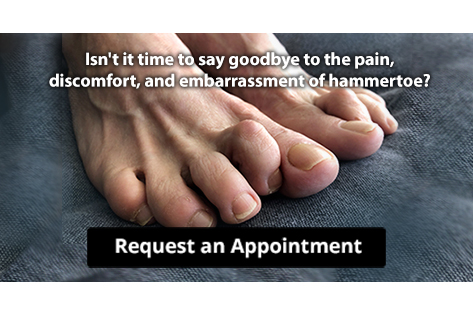
Painful deformities, such as hammertoes, can be treated. Stop living with foot pain, and have beautiful feet again!

Flat feet occur when the arches collapse, leading to strain in the heels, ankles, and knees. Some people with flat feet feel no pain, but others may notice tired legs, sore arches, or difficulty standing for long periods of time. Custom orthotics are made to fit the unique shape of each foot, offering support where it is needed most. They help lift the arch, improve alignment, and distribute weight more evenly. This can lead to better posture, less fatigue, and reduced risk of injury. Store bought inserts may offer some relief, but they are not tailored to specific needs. Consistent use of a well designed device often makes a noticeable difference. If you have flat feet and are dealing with pain or instability, it is suggested that you see a podiatrist to discuss how custom orthotics can help you.
Our feet carry us through every part of life, absorbing the impact of thousands of steps each day. When they are not properly supported, the effects can extend far beyond the feet themselves. Custom orthotics provide the foundation the body needs by aligning, cushioning, and stabilizing each foot in its most natural position. They are carefully crafted to match the unique structure of each individual’s feet, allowing them to move efficiently and comfortably while reducing stress on the muscles, joints, and ligaments.
Proper foot support is essential for maintaining balance and preventing fatigue. Without it, the body compensates by shifting weight unevenly, which can lead to discomfort in the ankles, knees, hips, or lower back. Custom orthotics help restore this balance by redistributing pressure and promoting a more natural walking pattern. They not only ease existing pain but also protect against future strain or injury by supporting the arches and controlling excessive motion.
Unlike store-bought insoles, custom orthotics are created through detailed assessment and advanced technology to provide precise correction and comfort. They fit seamlessly into most shoes, making them ideal for daily wear, work, or sports.
If your feet feel tired, sore, or unsupported, it is recommended that you contact our office for more information, or to make an appointment.
If you have any questions please contact our offices located in Fair Lawn, Riverdale, and Englewood, NJ .

White spots on toenails can appear for several reasons and may vary in size and pattern. Small white dots are often the result of minor injuries to the nail matrix, which can occur from pressure or trauma. Larger white lines running across the nail may suggest more significant damage or stress to the nail bed. Fungal infections can also cause discoloration, thickening, or changes in nail texture. In some cases, white spots may indicate a mineral deficiency or exposure to heavy metals. A podiatrist can examine the nails to determine the underlying cause, provide appropriate treatment, and offer guidance on nail care. If you have toe pain or notice white lines or dots on your toenails, it is suggested that you contact this type of doctor who can offer effective treatment solutions.
Toe pain can disrupt your daily activities. If you have any concerns, contact one of our podiatrists of Active Foot and Ankle Care, LLC. Our doctors can provide the care you need to keep you pain-free and on your feet.
What Causes Toe Pain?
Most severe toe pain is caused due to a sports injury, trauma from dropping something heavy on the toe, or bumping into something rigid. Other problems can develop over time for various reasons.
Toe pain can be caused by one or more ailments. The most common include:
When to See a Podiatrist
Diagnosis
In many cases the cause of toe pain is obvious, but in others, a podiatrist may want to use more advanced methods to determine the problem. These can range from simple visual inspections and sensation tests to X-rays and MRI scans. Prior medical history, family medical history, and any recent physical traumatic events will all be taken into consideration for a proper diagnosis.
Treatment
Treatments for toe pain and injuries vary and may include shoe inserts, padding, taping, medicines, injections, and in some cases, surgery. If you believe that you have broken a toe, please see a podiatrist as soon as possible.
If you have any questions please contact our offices located in Fair Lawn, Riverdale, and Englewood, NJ . We offer the newest diagnostic and treatment technologies for all your foot and ankle needs.

Reconstructive foot surgery is performed to restore the shape and function of the foot when bones, joints, or soft tissues have been damaged due to trauma, disease, or deformity. Common causes include serious injuries, birth defects like clubfoot, infections, or complications from diabetes and vascular disease. A podiatrist may recommend reconstructive foot surgery when the anatomy of the foot is severely affected and conservative options are no longer effective. Procedures may involve removal of dead or infected tissue, skin grafts, or the use of tissue flaps that include skin, muscle, or bone. Tendon transfers and lengthening may be used to improve foot movement. In some cases, loss of limb may be discussed when reconstruction is not appropriate. Not everyone is a candidate for this surgery, particularly those with widespread infection, severe circulation problems, or poor overall health. A podiatrist can help determine whether surgery is appropriate and explain the options. If you are a candidate for reconstructive foot surgery, it is suggested that you schedule an appointment with a podiatrist for an exam and treatment options.
Foot surgery is sometimes necessary to treat a foot ailment. To learn more, contact one of our podiatrists of Active Foot and Ankle Care, LLC. Our doctors will assist you with all of your foot and ankle needs.
When Is Surgery Necessary?
Foot and ankle surgery is generally reserved for cases in which less invasive, conservative procedures have failed to alleviate the problem. Some of the cases in which surgery may be necessary include:
What Types of Surgery Are There?
The type of surgery you receive will depend on the nature of the problem you have. Some of the possible surgeries include:
Benefits of Surgery
Although surgery is usually a last resort, it can provide more complete pain relief compared to non-surgical methods and may allow you to finally resume full activity.
Surgical techniques have also become increasingly sophisticated. Techniques like endoscopic surgery allow for smaller incisions and faster recovery times.
If you have any questions, please feel free to contact our offices located in Fair Lawn, Riverdale, and Englewood, NJ . We offer the newest diagnostic and treatment technologies for all your foot care needs.
