





 As we age, our feet wear down over time, as “our body absorbs two to three times their weight due to gravity.” According to podiatrist Dr. Joy Rowland, our feet gradually become longer and wider, our ligaments and tendons become “a little bit more lax over time,” and our feet can develop foot deformities such as hammertoe. We also begin losing the fat pad that supports our feet as we age, so it’s important to change your shoes often as your feet change too.
Proper foot care is something many older adults forget to consider. If you have any concerns about your feet and ankles contactone of our podiatrists of Active Foot and Ankle Care, LLC. Our doctors can provide the care you need to keep your pain free and on your feet.
The Elderly and their Feet
As we age we start to notice many changes in our body, but the elder population may not notice them right away. Medical conditions may prevent the elderly to take notice of their foot health right away. Poor vision is a lead contributor to not taking action for the elderly.
Common Conditions
Neuropathy – can reduce feeling in the feet, and can hide many life threating medical conditions.
Reduced flexibility – prevents the ability of proper toenail trimming, and foot cleaning. If left untreated, it may lead to further medical issues.
Foot sores – amongst the older population can be serious before they are discovered. Some of the problematic conditions they may face are:
Gouging toenails affecting nearby toe
Shoes that don’t fit properly
Pressure sores
Loss of circulation in legs & feet
Edema & swelling of feet and ankles
Susceptible Infections
Diabetes and poor circulation can cause general loss of sensitivity over the years, turning a simple cut into a serious issue.
If you have any questions please feel free to contact our offices located in New Jersey. We offer the newest diagnostic tools and technologies to treat your foot and ankle needs.
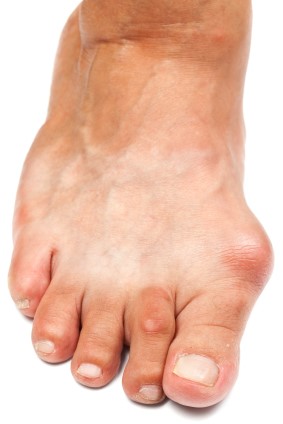 Bunions are characterized as unsightly bumps that run along the side of your big toe, potentially leading to irritation and pain as we walk or run. Preventing bunions is as simple as finding footwear that gives your feet enough room to move and doesn’t push your toes together. Conditions such as “low arches, flat feet, and loose joints and tendons” make your feet more prone to bunions. Treating your bunions involves accommodating your feet by wearing comfortable shoes that are wide as well as seeing your podiatrist to find proper treatment.
Bunion surgery usually occurs after non-surgical methods have proved to be ineffective. If you have any concerns, contact one of our podiatrists of Active Foot and Ankle Care, LLC. Our doctors can provide the care you need to keep your pain free and on your feet.
What is a Bunion?
A bunion is formed of swollen tissue or an enlargement of boney growth, usually located at the base joint of the toe that connects to the foot. The swelling occurs by the bones in the big toe shifting inward, which impacts the other toes of the foot. This causes the area around the base of the big toe to become inflamed and painful.
Why do Bunions Form?
How are Bunions Diagnosed?
Doctors often perform two tests – blood tests and x-rays – when trying to diagnose bunions, especially in the early stages of development. Blood tests help determine if the foot pain is being caused by something else, such as arthritis, while x-rays provide a clear picture of your bone structure to your doctor.
How are Bunions Treated?
If you have any questions please feel free to contact our offices located in New Jersey. We offer the newest diagnostic tools and technologies to treat your foot and ankle needs.
 Bacteria thrives in moist, public places such as gyms, and can lead to infections such as plantar warts. To avoid contracting contagious infections like plantar warts, take precautions when using public gym equipment. Clean any gym equipment you plan on using, and cover up any open wounds. Wear flip flops in the locker rooms and public shower areas. Also bring your own gym equipment.
Plantar warts can be very uncomfortable. If you need your feet checked, contact one of our podiatrists of Active Foot and Ankle Care, LLC. Our doctors can provide the care you need to keep your pain free and on your feet.
About Plantar Warts
Plantar warts are the result of HPV, or human papillomavirus, getting into open wounds on the feet. They are mostly found on the heels or balls of the feet.
While plantar warts are generally harmless, those experiencing excessive pain or those suffering from diabetes or a compromised immune system require immediate medical care. Plantar warts are easily diagnosed, usually through scraping off a bit of rough skin or by getting a biopsy.
Symptoms
Treatment
To help prevent developing plantar warts, avoid walking barefoot over abrasive surfaces that can cause cuts or wounds for HPV to get into. Avoiding direct contact with other warts, as well as not picking or rubbing existing warts, will help prevent the further spread of plantar warts. However, if you think you have developed plantar warts, speak to your podiatrist. He or she can diagnose the warts on your feet and recommend the appropriate treatment options.
If you have any questions please feel free to contact our offices located in New Jersey. We offer the newest diagnostic tools and technologies to treat your foot and ankle needs.
 When the time comes and your child starts walking on his or her own, it’s important to choose the right type of footwear for them. Footwear at a young age can impact how children’s feet develop as they grow older. Remember to look for shoes that are comfortable, breathable, soft, and lightweight. Avoid stiff leather and check that the sole is made of flexible and padded material. Shoes should have enough room for the toes to wiggle. Change them every few months as necessary.
Looking out for potential foot and ankle injuries as well as general health is vital in maintaining proper development in children’s feet.If you are having discomfort in your feet and would like to try orthotics, contact one of our podiatrists of Active Foot and Ankle Care, LLC. Our doctors will treat your foot and ankle needs.
Keeping Children's Feet Healthy
Having healthy feet in childhood can help prevent medical problems later in life, namely in the back and legs. As children grow, their feet require different types of care from birth to school-age.
Although babies do not walk yet, it is still very important to take care of their feet.
As a toddler, kids are now on the move and begin to develop differently. At this age toddlers are getting a feel for walking, so don’t be alarmed if your toddler is unsteady or ‘walks funny’. Be sure the child wears comfortable and protective shoes so that they can grow into their feet properly.
As your child gets older, it is important to teach them how to take care of their feet
Children of all ages are constantly developing and growing, and as a parent you want to make sure that nothing is hindering their maturation.
If you have any questions please feel free to contact our offices located in New Jersey. We offer the newest diagnostic tools and technologies to treat your foot and ankle needs.
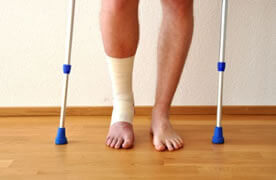 Minnesota’s Joey King, the only senior on the team, is out with a broken foot injury, at the time undetermined for how long. He is expected to miss the last two games of his school career. “It’s a crushing blow,” said Minnesota coach Richard Pitino, going on to say that “it makes a difficult situation much more difficult. But we just have to move on and do the best we can.”
A broken foot requires immediate medical attention and treatment. To learn more, contact one of our podiatrists of Active Foot and Ankle Care, LLC. Our doctors will treat your foot and ankle needs.
Broken Foot Causes, Symptoms, and Treatment
A broken foot is caused by one of the bones in the foot typically breaking when bended, crushed, or stretched beyond its natural capabilities. Usually the location of the fracture indicates how the break occurred, whether it was through an object, fall, or any other type of injury.
Common Symptoms of Broken Feet:
Those that suspect they have a broken foot shoot seek urgent medical attention where a medical professional could diagnose the severity.
Treatment for broken bones varies depending on the cause, severity and location. Some will require the use of splints, casts or crutches while others could even involve surgery to repair the broken bones. Personal care includes the use of ice and keeping the foot stabilized and elevated.
If you have any questions please feel free to contact our offices located in New Jersey. We offer the newest diagnostic tools and technologies to treat your foot and ankle needs.
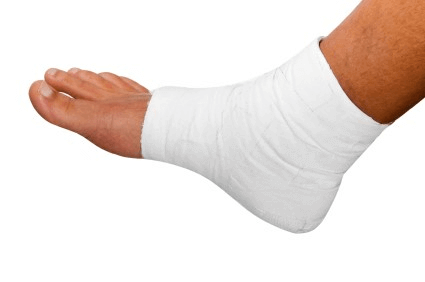 According to triathlete-europe.competitor.com, eating your way to stress fracture recovery may be the way to go. The site suggests establishing “good pre- and post-training nutrition habits,” eating foods rich with nutrients such as iron, zinc, vitamin C, and antioxidants. Make sure to get adequate sleep, as “it assists with nutrient absorption and recovery.” Maintaining a healthy diet of protein and carbs will help with training and physical therapy as well as stress fracture prevention.
Activities, where too much pressure is put on the feet can cause stress fractures. If you have any concerns contact one of our podiatrists of Active Foot and Ankle Care, LLC. Our doctors will treat your foot and ankle needs.
Dealing with Stress Fractures of the Foot and Ankle
The Stress Fractures occur on the foot and ankle when muscles in these areas weaken from too much or too little use. Then the feet and ankles lose support when walking or running from the impact of the ground. Since there is no protection the bones receive the full impact of each step. The stress on the feet causes cracks to form in the bones, thus called stress fractures.
What are Stress Fractures?
Stress fractures occur frequently in individuals whose daily activities cause great impact on the feet and ankles. Stress factors are most common among:
-runners
-people affected with Osteoporosis
-play tennis or basketball
-gymnastics
-high impact workouts
Symptoms
Pain from the fractures occur in the area of the fractures, and can be constant or intermittent. It will often cause sharp or dull pain with swelling and tenderness. Engaging in any kind of activity which involves in high impact will aggravate pain.
If you have any questions please feel free to contact our offices located in New Jersey. We offer the newest diagnostic tools and technologies to treat your foot and ankle needs.
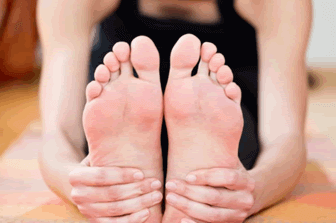 Michigan State Spartans coach Tom Izzo saaid “his top priority is making sure the plantar fasciitis doesn’t linger into next season.” Izzo was discussing the status of sophomore guard Lourawls Nairn Jr., who was on recovery from his plantar fasciitis condition. Izzo was unsure about Nairn Jr.’s status and whether he will be able to return to play for the next season. Nairn Jr. has been battling his plantar fasciitis since the summer and has been visiting doctors.
Plantar fasciitis can be very painful and inconvenient. If you are experiencing heel pain or symptoms of plantar fasciitis, contact one of our podiatrists of Active Foot and Ankle Care, LLC. Our doctors will treat your foot and ankle needs.
What is Plantar Fasciitis?
Plantar fasciitis is the inflammation of the thick band of tissue that runs along the bottom of your foot, known as the plantar fascia, and causes mild to severe heel pain.
What Causes Plantar Fasciitis?
· Excessive running
· Non-supportive shoes
· Overpronation
· Repeated stretching and tearing of the plantar fascia
How Can It Be Treated?
· Conservative measures – anti-inflammatories, ice packs, stretching exercises, physical therapy, orthotic devices
· Shockwave therapy – sound waves are sent to the affected area to facilitate healing and are usually used for chronic cases of plantar fasciitis
· Surgery – usually only used as a last resort when all else fails. The plantar fascia can be surgically detached from the heel
While very treatable, plantar fasciitis is definitely not something that should be ignored. Especially in severe cases, speaking to your doctor right away is highly recommended to avoid complications and severe heel pain. Your podiatrist can work with you to provide the appropriate treatment options tailored to your condition.
If you have any questions please feel free to contact our offices located in New Jersey. We offer the newest diagnostic tools and technologies to treat your foot and ankle needs.
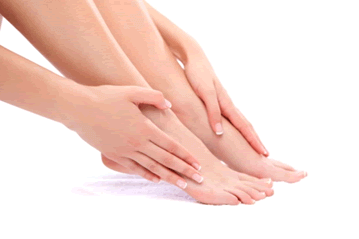 According to the American Board of Multiple Specialties in Podiatry, those that run in the gym as a part of their New Year’s resolutions may be putting their feet at risk. The board has four recommendations for those that may be a little too excited to start their new regime:
Every day foot care is very important, especially for those that are lacking the proper foot care resources. For more information about everyday foot care, contact one of our podiatrists of Active Foot and Ankle Care, LLC. Our doctors will treat your foot and ankle needs.
Every Day Foot Care
Often, people take care of their bodies, face and hair more so than they do for their feet. But the feet are a very important aspect of our bodies, and one that we should pay more attention to. After all, without our feet, we would not be able to perform most daily tasks. It is best to check your feet regularly to make sure there are no new bruises or cuts that you may not have noticed before, for example.
For dry feet, moisturizer can easily be a remedy and can be applied as often as necessary to the affected areas. Wearing shoes that fit well can also help you maintain good foot health, as well as making it easier to walk and do daily activities without the stress or pain of ill-fitting shoes, high heels, or even flip flops.
Also, wearing clean socks with closed shoes is important to ensure that sweat and bacteria do not accumulate within the shoe. Clean socks help to prevent athlete’s foot, fungi problems, bad odors, and can absorb sweat.
If you have any questions please feel free to contact our offices located in New Jersey. We offer the newest diagnostic tools and technologies to treat your foot and ankle needs.
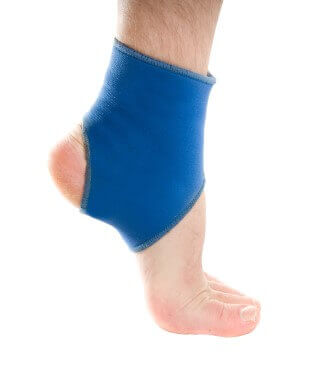 New England Patriot’s Quarterback, Tom Brady, has recently been seen dealing with a sprained ankle injury. The first instance of the injury was during a loss to the Miami Dolphins early January. While Brady did not participate in the superbowl this year, it would not be his first battle with ankle injuries as he still played through two earlier Super Bowls against the Giants and the Rams.
Ankle sprains are common, but need immediate attention. If you have any concerns about your feet or ankles, contact one of our podiatrists of Active Foot and Ankle Care, LLC. Our doctors will treat your foot and ankle needs.
How Does an Ankle Sprain Occur?
Ankle sprains take place when the ligaments in your ankle are torn or stretched beyond their limits. There are multiple ways that the ankle can become injured, including twisting or rolling over onto your ankle, putting undue stress on it, or causing trauma to the ankle itself.
What are the Symptoms?
Preventing a Sprain
Treatment of a Sprain
Treatment of a sprain depends on the severity. Many times, people are told to rest and remain off their feet completely, while others are given an air cast. If the sprain is very severe, surgery may be required.
If you have suffered an ankle sprain previously, you may want to consider additional support such as a brace and regular exercises to strengthen the ankle.
If you have any questions please feel free to contact our offices located in New Jersey. We offer the newest diagnostic tools and technologies to treat your foot and ankle needs.
 Brittany Moffat is someone who’s experienced life-long hyperhidrosis, a condition in which the body sweats excessively in areas like the hands, feet, and underarms. Moffat has been suffering from hyperhidrosis for 37 years, but has decided to have surgery in early January. Surgery is one possible treatment cure for hyperhidrosis, and Moffat notices an improvement in her life. She was considered part of the “one percent of the population” with severe hyperhidrosis. She says that having surgery was “a life-changing operation” and gave her confidence to engage with others.
If you are suffering from hyperhidrosis contact one of our podiatrists of Active Foot and Ankle Care, LLC. Our doctors will treat your foot and ankle needs.
Hyperhidrosis of the Feet
Hyperhidrosis is a rare disorder that can cause people to have excessive sweating of their feet. This can usually occur all on its own without rigorous activity involved. People who suffer from hyperhidrosis may also experience sweaty palms.
Although it is said that sweating is a healthy process meant to cool down the body temperature and to maintain a proper internal temperature, hyperhidrosis may prove to be a huge hindrance on a person’s everyday life.
Plantar hyperhidrosis is considered to be the main form of hyperhidrosis. Secondary hyperhidrosis can refer to sweating that occurs in areas other than the feet or hands and armpits. Often this may be a sign of it being related to another medical condition such as menopause, hyperthyroidism and even Parkinson’s disease.
In order to alleviate this condition, it is important to see your doctor so that they may prescribe the necessary medications so that you can begin to live a normal life again. If this is left untreated, it is said that it will persist throughout an individual’s life.
A last resort approach would be surgery, but it is best to speak with your doctor to find out what may be the best treatment for you.
If you have any questions please feel free to contact our offices located in New Jersey. We offer the newest diagnostic tools and technologies to treat your foot and ankle needs.
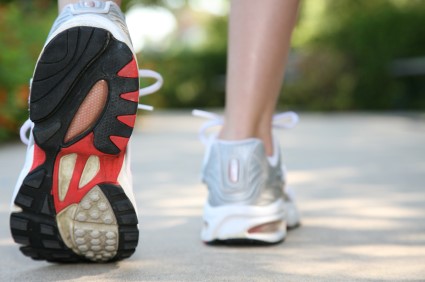 Whether you run marathons regularly or just run in the park at your leisure, your feet are always prone to injury. Wearing the wrong shoe for your foot type can be very problematic and a major cause for injury. Overuse injuries such as plantar fasciitis and Achilles tendonitis are very common. Be sure to stretch, wear the correct running shoes, as well as pace yourself each time you run to prevent running injuries.
Runners can still be prone to running injuries even with proper precautions. If you are suffering from a running injury contact one of our podiatrists of Active Foot and Ankle Care, LLC. Our doctors will treat your foot and ankle needs.
How to Prevent Running Injuries
Many common running injuries are caused by overuse and overtraining. When the back of the kneecap starts wearing out and starts causing pain in your knee, this is commonly referred to as runner’s knee. Runner’s knee is a decrease in strength in your quadriceps and can occur if you’re not wearing properly fitted or supporting shoes. To prevent runner’s knee, focusing on hip strengthening is a good idea, as well as strengthening your quads to keep the kneecaps aligned.
What Are Some Causes of Running Injuries?
- One cause of a common running injury is called iliotibial band syndrome.
- Plantar fasciitis is also another common injury.
- Stress fractures can occur from overtraining, lack of calcium, or even your running style.
Best Ways to Prevent Running Injuries
- Wear footwear that fits properly and suits your running needs.
- Running shoes are the only protective gear that runners have to safeguard them from injury.
- Make a training schedule. Adding strengthening exercises as well as regular stretching can help keep you strong and limber and can lessen the possibility of injuries.
- Stretching keeps muscles limber, this will help you gain better flexibility.
If you have any questions please feel free to contact our offices located in New Jersey. We offer the newest diagnostic tools and technologies to treat your foot and ankle needs.
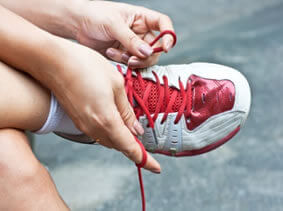 According to running shoe experts, finding the right running shoes can be tricky. What’s important is making sure you know what type of shoes your feet require. When buying a newer version of shoes you want to replace, make sure that the model is exactly the same and alterations have not been made. Also opt for buying a shoe that will allow your feet more room to expand as you run. Find a qualified salesperson who will accompany your needs and recommend running shoes that are neutral and comfortable for your feet. Be mindful of the durability of each pair of shoes, as a pair of typical running shoes can last “on average 350-500 miles.” This can vary per person, but it’s important to know when your shoes need to be replaced.
Finding a proper fitting shoe is important in reducing injuries and preventing foot problems. For more information about treatment, consult with one of our podiatrists of Active Foot and Ankle Care, LLC. Our doctors will attend to all of your podiatric needs.
Proper Shoe Fitting
A common concern when it comes to foot health, having properly fitted shoes can help prevent injuries to the foot. Out feet affect our posture and gait, which in turn affects the biomechanics and overall bodily structure. With 33 joints, 26 bones, and over 100 ligaments, the potential for serious injury is much greater than one realizes. Although the feet cease growth in adulthood, they still change shape as they mature. Here are some factors to consider when it comes to investing in proper fitting shoes:
Keeping in mind how shoes fit the biomechanics of your body, proper fitting shoes is vitally important. Fortunately, it is not difficult to acquire footwear that fits correctly. Be sure to wear shoes that support the overall structure of your body. Do your feet a favor and invest in several pairs of well-fitted shoes today.
If you have any questions please feel free to contact our offices located in New Jersey. We offer the newest diagnostic tools and technologies to treat your foot and ankle needs.
According to a study conducted by the Journal of Foot & Ankle Surgery, those who have stress fractures were tested to have low levels of vitamin D. Vitamin D can help reduce the risk of physical injury because it is “intimately linked to the absorption of dietary calcium and phosphorus,” as written by Jason R. Miller, DPM, of Premier Orthopedics and Sports Medicine in Pennsylvania. Research suggests that those who do not get enough vitamin D will only absorb about 10% to 15% of calcium and only 50% to 60% of phosphorus, which can affect bone development and eventually, structure. Healthy levels of vitamin D should be maintained daily, as recommended by doctors.
Activities where too much pressure is put on the feet can cause stress fractures. If you have any concerns about your feet contact one of our podiatrists of Active Foot and Ankle Care, LLC. Our doctors will treat your foot and ankle needs.
Dealing with Stress Fractures of the Foot and Ankle
The Stress Fractures occur on the foot and ankle when muscles in these areas weaken from too much or too little use. Then the feet and ankles lose support when walking or running from the impact of the ground. Since there is no protection the bones receive the full impact of each step. The stress on the feet causes cracks to form in the bones, thus called stress fractures.
What are Stress Fractures?
Stress fractures occur frequently in individuals whose daily activities cause great impact on the feet and ankles. Stress factors are most common among:
-runners
-people affected with Osteoporosis
-play tennis or basketball
-gymnastics
-high impact workouts
Symptoms
Pain from the fractures occur in the area of the fractures, and can be constant or intermittent. It will often cause sharp or dull pain with swelling and tenderness. Engaging in any kind of activity which involves in high impact will aggravate pain.
If you have any questions please feel free to contact our offices located in New Jersey. We offer the newest diagnostic tools and technologies to treat your foot and ankle needs.
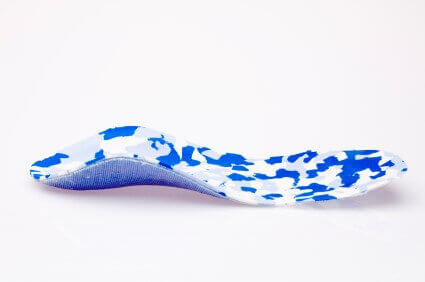 This year it is important to support your feet with custom orthotics. While designed to distribute the weight of your body evenly across your feet, orthotics help those with foot deformities, athletes, pregnant mothers, and the elderly. While orthotics cannot permanently reduce the effects of foot pain, they can help slow them down and ease the pain. Custom orthotics should be checked every year, as the foot constantly changes in supportive need.
If you are having discomfort in your feet and would like to try orthotics, contact one of our podiatrists of Active Foot and Ankle Care, LLC. Our doctors will treat your foot and ankle needs.
What are Orthotics?
Orthotics are inserts you can place into your shoes to help with a variety of foot problems such as flat feet or foot pain. Orthotics provide relief and comfort for minor foot and heel pain, but can’t correct serious biomechanical problems in your feet.
Over-the-Counter Inserts
Orthotics come in a wide variety of over-the-counter inserts that are used to treat foot pain, heel pain, and minor problems. For example, arch supports can be inserted into your shoes to help correct over arched or flat feet, while gel insoles are often used because they provide comfort and relief from foot and heel pain by alleviating pressure.
Prescription Orthotics
If over-the-counter inserts don’t work for you, or if you have a more severe foot issue, it is possible to have your podiatrist prescribe custom orthotics. These high quality inserts are designed to treat problems such as abnormal motion, plantar fasciitis, and more severe heel pain. They can even be used to help patients suffering from diabetes by treating foot ulcers and painful calluses, and are usually molded to your feet individually, which allows them to provide full support and comfort.
If you are experiencing minor to severe foot or heel pain, it’s recommended to speak with your podiatrist on the possibilities of using orthotics. A podiatrist can determine which type of orthotic is right for you and allow you to take the first steps towards being pain free.
If you have any questions please feel free to contact our offices located in New Jersey. We offer the newest diagnostic tools and technologies to treat your foot and ankle needs.
